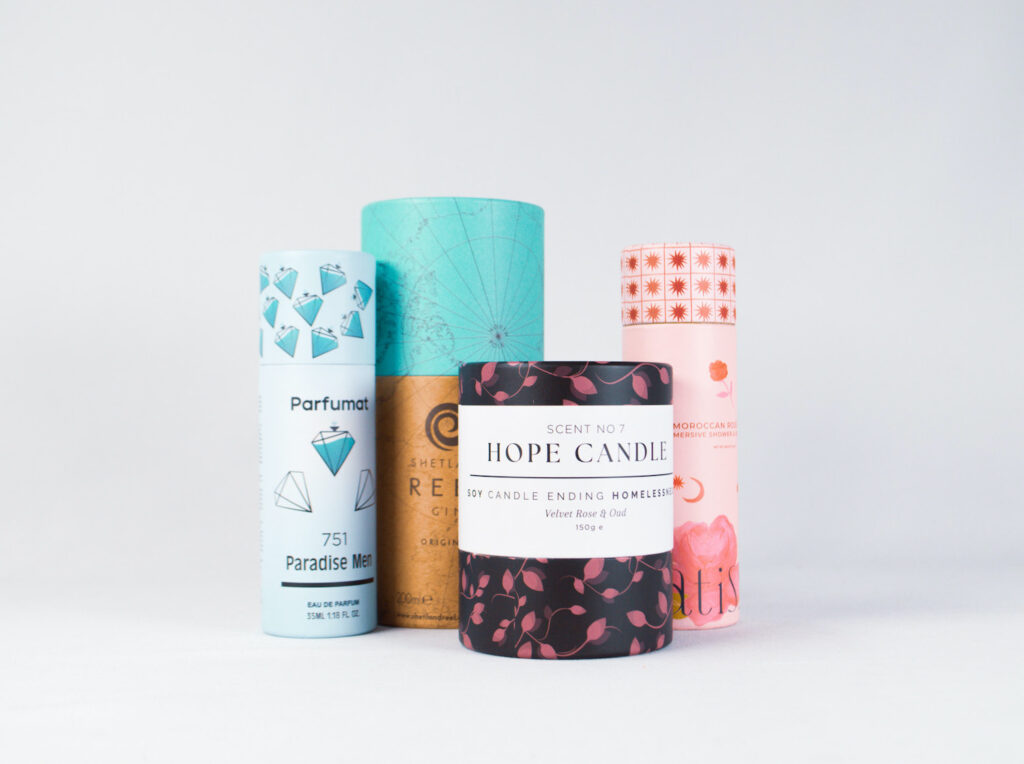

Small businesses and independent makers are increasingly turning to artisanal and craft-style packaging to set their products apart in a crowded marketplace. This movement is more than just an aesthetic choice—it reflects a growing consumer desire for authenticity, sustainability, and a personal touch. As shoppers seek out unique goods, the way these products are presented has become a crucial part of the brand story. In this guide, we’ll explore the latest developments shaping packaging design for small brands, from eco-friendly materials to hand-finished details.
For those interested in how technology is accelerating packaging innovation, learning about what is digital prototyping for packaging can provide valuable insights into speeding up production while maintaining a handcrafted feel.
Why Small Brands Are Embracing Handcrafted Packaging
Independent businesses often rely on their ability to create a memorable first impression. Craft-style packaging offers a tactile, visually appealing way to communicate brand values and product quality. Unlike mass-market packaging, these designs often feature:
- Natural or recycled materials, such as kraft paper or cardboard
- Hand-applied finishes like wax seals, twine, or custom stamps
- Minimalist graphics and earthy color palettes
- Personalized notes or labels
This approach helps brands foster a sense of connection with customers, making each purchase feel special and unique. It also aligns with the growing demand for products that feel genuine and thoughtfully made.
Key Developments in Artisanal Packaging Design
The latest trends in artisanal and craft-style packaging reflect both consumer preferences and advances in production techniques. Here are some of the most influential shifts:
Eco-Conscious Materials and Processes
Sustainability is at the heart of many craft-inspired packaging solutions. Brands are moving away from plastics and opting for compostable, biodegradable, or recyclable materials. This not only reduces environmental impact but also appeals to eco-minded shoppers. For example, using uncoated kraft paper or plant-based inks can reinforce a brand’s commitment to the planet.
To further minimize waste, some companies are exploring sustainable printing practices for packaging that reduce energy consumption and chemical use.
Personalization and Limited Editions
Small brands are leveraging their agility to offer personalized packaging—think handwritten notes, custom-printed names, or limited-edition artwork. These touches create a sense of exclusivity and encourage repeat purchases. Digital printing technology makes it easier than ever to produce small runs with unique designs, allowing businesses to experiment without large upfront costs.
Texture and Tactility
Texture plays a significant role in the appeal of craft-style packaging. Embossed logos, letterpress printing, and rough-hewn materials invite customers to engage with the package before even opening it. This sensory experience can be especially important for food, beauty, or gift products, where presentation is part of the overall enjoyment.
Visual Storytelling and Branding Through Packaging
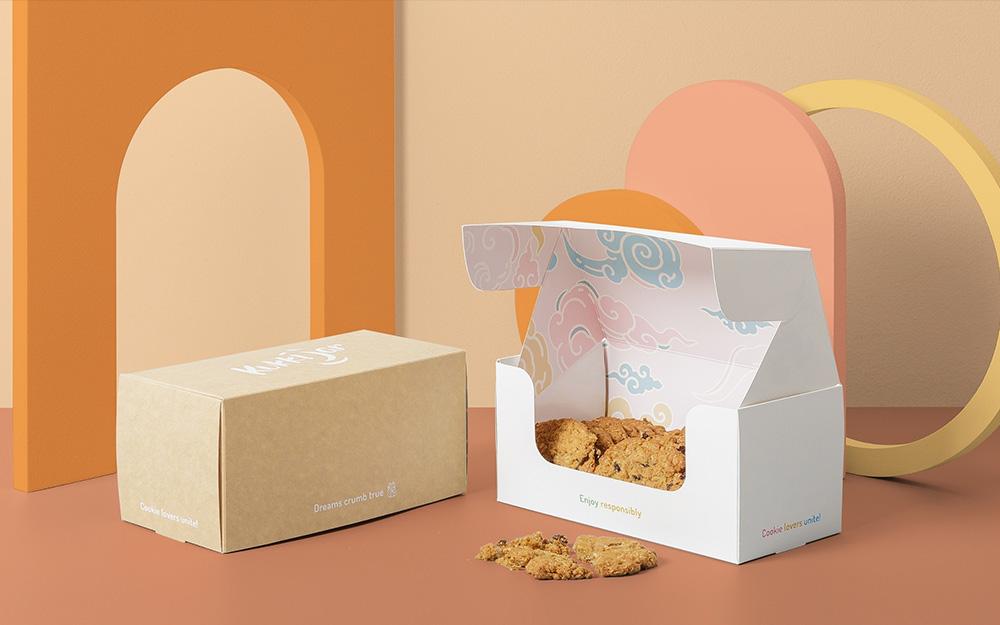
Packaging is a powerful storytelling tool for small businesses. The right design can communicate a brand’s heritage, values, and personality in an instant. Many companies are using illustration, hand-lettered typography, and locally inspired motifs to create a narrative that resonates with their audience. This approach not only differentiates products on the shelf but also encourages social sharing and word-of-mouth marketing.
For brands targeting younger consumers, it’s worth exploring how to design packaging for Gen Z consumers, as this demographic values transparency, creativity, and ethical practices in both products and their presentation.
Minimalism Meets Craft
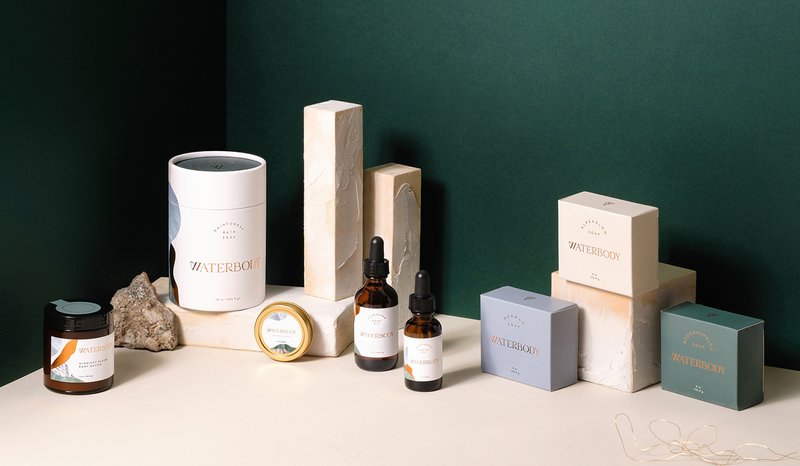
While some artisanal packaging leans into rustic charm, others embrace a minimalist aesthetic. Clean lines, simple color schemes, and uncluttered layouts can evoke a sense of sophistication and modernity. This trend is especially popular among wellness, beauty, and specialty food brands looking to convey purity and quality.
Production Techniques Supporting the Craft Aesthetic
Advances in printing and finishing have made it easier for small brands to achieve a high-end, handmade look without sacrificing efficiency or scalability. Some notable techniques include:
- Letterpress and foil stamping: Adds tactile and visual interest through raised or metallic elements.
- Die-cutting: Allows for custom shapes and windows that showcase the product inside.
- Digital prototyping: Enables rapid iteration and testing of new designs before committing to full production.
Understanding the benefits of cloud-based color management can also help small businesses maintain color consistency across different packaging runs, ensuring a cohesive brand image.
Balancing Authenticity and Scalability
One of the main challenges for small brands is maintaining an authentic, handcrafted feel as they grow. While hand-finishing every package may not be feasible at scale, thoughtful design choices and selective use of artisanal techniques can preserve the desired look and feel. Many businesses find success by combining automated processes with hand-applied details, such as a stamped logo or a ribbon tie, to keep costs manageable without sacrificing character.
Exploring new technologies like what is holographic lamination can also add a unique touch to packaging while keeping production efficient.
Frequently Asked Questions
What materials are commonly used in craft-style packaging?
Popular choices include kraft paper, recycled cardboard, glassine bags, and biodegradable films. These materials are valued for their natural appearance, eco-friendliness, and ability to convey a handmade aesthetic.
How can small brands make their packaging stand out?
Personal touches like handwritten notes, custom stamps, and unique textures help create a memorable unboxing experience. Using limited-edition designs or collaborating with local artists can also differentiate products and foster customer loyalty.
Is sustainable packaging more expensive for small businesses?
While some eco-friendly materials may have higher upfront costs, many small brands find that the investment pays off through increased customer trust and brand value. Additionally, reducing excess packaging and using digital printing for short runs can help manage expenses.
Looking Ahead: The Future of Handcrafted Packaging
The movement toward artisanal and craft-style packaging shows no signs of slowing down. As consumers continue to seek products with a personal touch and a story behind them, small brands that invest in thoughtful, well-crafted packaging will be well positioned to build lasting relationships and stand out in the marketplace. By balancing tradition with innovation, these businesses can create packaging that not only protects their products but also communicates their values and vision.