When it comes to modern packaging and commercial printing, understanding what is the difference between lithography and flexography is essential for brands, designers, and manufacturers. Both methods are widely used for producing high-quality prints on various materials, but they differ significantly in technology, application, and results. This article explores the core distinctions, practical uses, and the advantages of each process to help you make informed decisions for your next print project.
As the packaging industry evolves, innovations like what is digital prototyping for packaging and advanced color management are also influencing how brands approach print production. Understanding the unique characteristics of lithographic and flexographic printing is the first step toward choosing the right solution for your needs.
Understanding Lithographic Printing
Lithography, often called offset printing, is a planographic process that relies on the immiscibility of oil and water. The image area of a flat printing plate attracts ink, while the non-image area repels it. The inked image is then transferred (offset) from the plate to a rubber blanket and finally onto the substrate, such as paper or cardboard.
This technique is renowned for its ability to produce sharp, high-resolution images with smooth gradients and vibrant colors. Lithographic presses are commonly used for printing magazines, books, posters, folding cartons, and high-end packaging. The process is best suited for medium to long print runs where consistent quality is crucial.
Key Features of Lithography
- Superior image quality with fine detail and color accuracy
- Ideal for smooth, flat surfaces like coated paper and folding cartons
- Cost-effective for large volumes due to plate-making setup
- Wide color gamut and compatibility with specialty finishes
How Flexographic Printing Works
Flexography is a relief printing method that uses flexible photopolymer plates wrapped around rotating cylinders. The raised image areas on the plate pick up ink from an anilox roller, which meters a precise amount of ink. The plate then transfers the ink directly onto the substrate as it passes through the press.
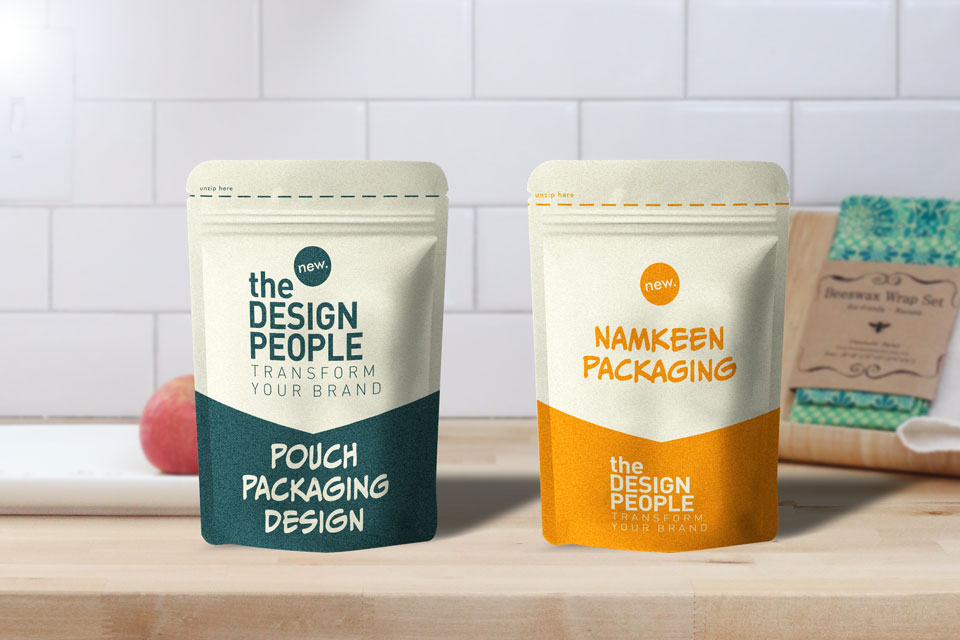
This process is highly versatile and can print on a wide range of materials, including plastics, foils, films, corrugated board, and even non-porous surfaces. Flexography is widely used for packaging such as labels, flexible pouches, bags, and corrugated boxes, especially for high-speed, high-volume production.
Advantages of Flexography
- Adaptable to many substrates, including uneven or rough surfaces
- Fast setup and high-speed production for large print runs
- Uses quick-drying, low-viscosity inks (water-based, UV, or solvent)
- Efficient for continuous patterns, such as wallpaper or gift wrap
Comparing Lithography and Flexography: Core Differences
To clarify what is the difference between lithography and flexography, it’s helpful to break down their main distinctions in terms of process, materials, and typical applications.
| Aspect | Lithography | Flexography |
|---|---|---|
| Printing Plate | Flat, metal or polymer, planographic | Flexible photopolymer, relief |
| Ink Type | Oil-based or UV-curable | Water-based, solvent, or UV-curable |
| Substrates | Smooth, flat (paper, board) | Wide range (plastic, film, corrugated, foil) |
| Print Quality | High resolution, fine detail | Good quality, less detail on rough surfaces |
| Best For | Magazines, cartons, high-end packaging | Labels, flexible packaging, corrugated boxes |
| Setup Cost | Higher (plates, make-ready) | Lower, faster changeover |
| Run Length | Medium to long runs | Short to very long runs |
Choosing the Right Printing Method for Packaging
When selecting between lithographic and flexographic printing, consider the following factors:
- Material: If you need to print on flexible films, foils, or corrugated board, flexography is often the better choice. For smooth, high-quality folding cartons, lithography excels.
- Print Quality: Lithography delivers superior detail and color consistency, making it ideal for premium packaging and graphics-heavy designs. Flexography offers good quality, especially for bold graphics and large areas of color.
- Volume and Cost: Flexography is more cost-effective for very large runs and quick job changes. Lithography’s setup costs are justified for longer runs where high image quality is essential.
- Finishing Options: Lithographic prints can be easily enhanced with coatings, embossing, or specialty finishes. Flexography is compatible with a range of inline finishing processes as well.
For brands targeting younger consumers or seeking to stand out on the shelf, understanding these differences is crucial. If you’re interested in trends like how to design packaging for Gen Z consumers, the choice of print method can impact both aesthetics and sustainability.
Recent Developments in Print Technology
The gap between lithography and flexography continues to narrow as both technologies evolve. Digital advancements, improved plate materials, and eco-friendly inks are enhancing print quality and efficiency across both methods. For example, digital printing is now being integrated with traditional processes for prototyping and short runs, as explored in resources like the future of corrugated packaging and digital printing advancements.
Additionally, innovations in benefits of cloud-based color management are helping brands achieve consistent color across global print runs, regardless of the chosen technology. This is especially important for maintaining brand identity in today’s competitive market.
Frequently Asked Questions
Which printing method is more cost-effective for short runs?
Flexography is generally more economical for short to medium runs due to its quick setup and lower plate costs. Lithography becomes cost-effective as the run length increases, thanks to its high-quality output and efficiency in longer jobs.
Can flexography match the print quality of lithography?
While flexography has improved significantly, especially with advancements in plate technology and inks, lithography still offers finer detail and smoother gradients. Flexography is excellent for bold graphics and packaging but may not achieve the same level of photographic detail as lithography.
What types of packaging are best suited for each method?
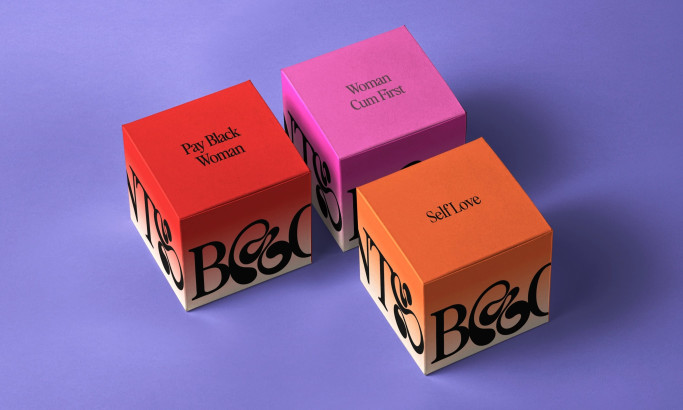
Lithography is ideal for folding cartons, premium retail packaging, and projects requiring intricate graphics. Flexography excels in printing on flexible packaging, labels, corrugated boxes, and materials that are not perfectly flat.
How do environmental considerations differ between the two?
Both methods have made strides in sustainability. Flexography often uses water-based inks and can print on recyclable substrates, while lithography can utilize soy-based inks and recycled paper. The environmental impact depends on ink choice, substrate, and waste management practices.
Conclusion
Understanding what is the difference between lithography and flexography empowers businesses to select the right print process for their specific needs. Lithography stands out for its superior image quality and is favored for high-end packaging and long print runs. Flexography, on the other hand, offers versatility, speed, and cost-effectiveness for a wide variety of packaging formats and substrates. As printing technology continues to advance, both methods remain vital to the packaging and print industries, each with unique strengths that cater to different market demands.