
Print shops today face increasing demands for faster turnaround, exceptional image quality, and sustainable practices. Among the many technologies available, latex printing stands out for its versatility and efficiency. Understanding the benefits of latex printing can help professional print providers make informed decisions about upgrading their equipment and processes.
This article explores the key advantages of latex-based printing systems, including their environmental profile, media compatibility, and operational efficiency. For those new to this technology, you can find a complete beginner-friendly explanation of what is latex printing to build foundational knowledge before diving into the practical benefits discussed here.
Why Print Providers Are Switching to Latex Technology
The shift toward latex printing technology is driven by several factors. Print shops are under pressure to deliver high-quality results on a wide range of substrates, all while minimizing their environmental impact. Latex printers use water-based inks that are odorless and contain minimal volatile organic compounds (VOCs), making them a safer and more eco-friendly option compared to traditional solvent-based systems.
Additionally, latex systems offer rapid drying times and immediate post-processing capabilities. This means prints can be finished, laminated, or shipped right after production, reducing wait times and boosting productivity.
Key Advantages of Latex Printing for Commercial Print Shops
Let’s examine the core benefits of latex printing that make it a compelling choice for professional environments.
1. Broad Media Compatibility
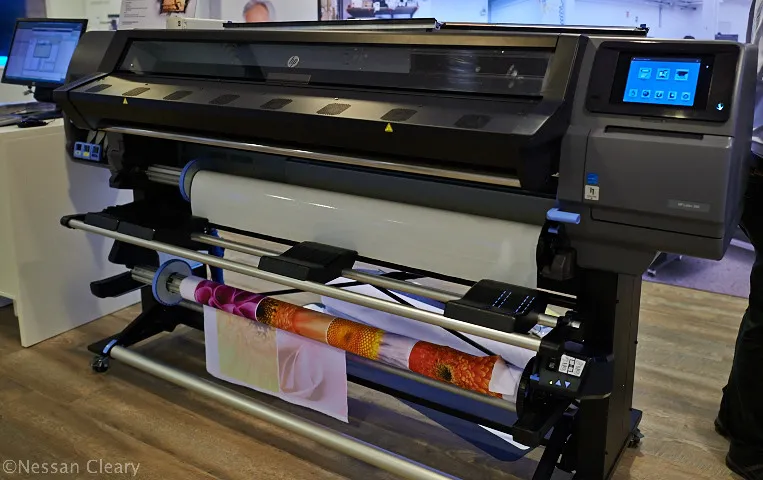
One of the standout features of latex printers is their ability to print on a vast array of materials. From vinyl, textiles, and canvas to paper, wallpaper, and even certain plastics, latex inks adhere well to both coated and uncoated substrates. This flexibility allows print shops to expand their product offerings without investing in multiple types of equipment.
2. Enhanced Environmental Performance
Sustainability is a growing concern for both print providers and their clients. Latex inks are water-based and contain significantly fewer hazardous chemicals than solvent or UV-curable alternatives. This results in lower emissions, reduced odor, and safer working conditions for operators.
Many latex prints are certified for use in sensitive environments such as hospitals, schools, and restaurants. The technology also supports recycling initiatives, as prints are easier to dispose of responsibly. For a deeper dive into the technical aspects, see this overview of advanced latex printing technology.
3. Fast Turnaround and Immediate Finishing
Latex prints emerge from the printer dry and ready for finishing. Unlike solvent-based systems, which often require outgassing for hours or even days, latex prints can be laminated, cut, or shipped immediately. This rapid workflow enables print shops to handle urgent jobs and meet tight deadlines with confidence.
4. High Image Quality and Durability
Modern latex printers deliver sharp, vibrant images with excellent color consistency. The inks form a flexible, durable layer that resists scratching, fading, and water damage. This makes latex prints suitable for both indoor and outdoor applications, including vehicle wraps, banners, wall graphics, and retail displays.
5. Lower Maintenance and Operational Costs
Maintenance is simplified with latex systems. Printheads are often user-replaceable, and automated cleaning routines reduce downtime. Because latex inks are less harsh than solvents, they cause less wear on internal components, extending the lifespan of the equipment and reducing total cost of ownership.
Comparing Latex Printing to Alternative Technologies
When evaluating print technology, it’s important to consider how latex compares to other methods. Solvent printers, for example, are known for their durability but produce strong odors and require lengthy drying times. UV-curable systems offer instant curing but may have limitations with certain flexible substrates.
Latex printing strikes a balance between quality, speed, and environmental safety. For a detailed comparison, refer to this guide on the difference between latex and solvent printing.
Expanding Business Opportunities with Latex Printing
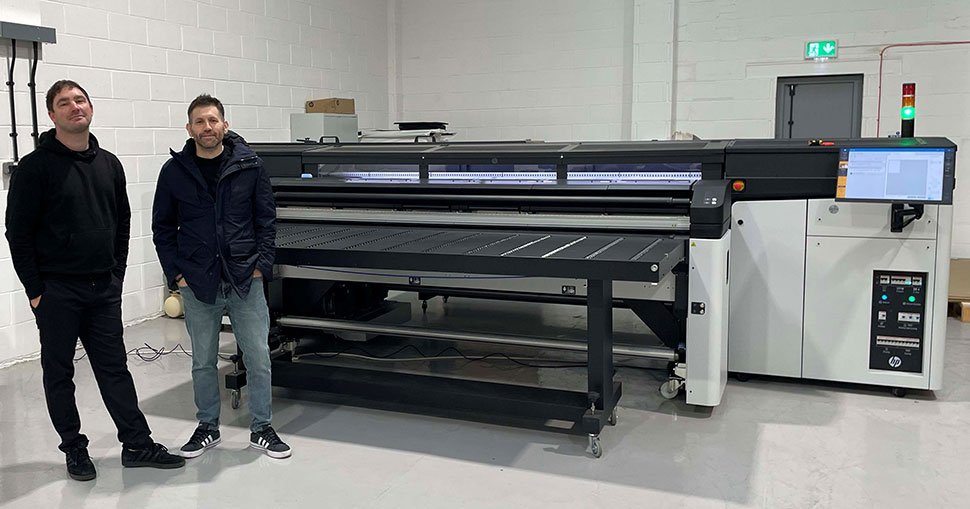
Adopting latex technology enables print shops to diversify their offerings and attract new clients. The ability to print on specialty materials, including eco-friendly and recycled substrates, opens doors to markets such as interior décor, custom wallpaper, and soft signage. Retailers, designers, and architects increasingly seek sustainable solutions, and latex output meets these expectations.
Furthermore, the reliability and speed of latex printers support high-volume production without sacrificing quality. This scalability is essential for shops looking to grow their business and serve a wider range of customers.
How to Get Started with Latex Printing
For those considering a transition, it’s important to evaluate your shop’s needs and workflow. Research the latest hardware and ink options, and consider how latex systems can integrate with your existing processes. Manufacturers like HP provide extensive resources on large-format latex printing technology to help you make an informed choice.
Calibration and color management are also crucial for achieving consistent results. Investing in quality ink cartridges and monitor calibration tools ensures that your prints meet client expectations every time.
Frequently Asked Questions
What types of materials can be printed with latex technology?
Latex printers are compatible with a wide range of substrates, including vinyl, canvas, textiles, paper, wallpaper, and select plastics. This versatility allows print providers to produce everything from banners and vehicle wraps to custom interior graphics.
Is latex printing environmentally friendly?
Yes, latex inks are water-based, contain low levels of VOCs, and are odorless. This makes them safer for both operators and end-users, and suitable for use in sensitive environments such as schools and healthcare facilities.
How does latex printing compare to solvent and UV printing?
Latex systems offer a balance of high image quality, rapid turnaround, and environmental safety. Solvent printers may provide strong durability but require longer drying times and emit odors, while UV printers cure instantly but may not work with all flexible materials. Latex technology combines the best aspects of both, making it a popular choice for modern print shops.
Do latex prints require special finishing or lamination?
Prints produced with latex inks are dry and ready for immediate finishing. While lamination can add extra protection for outdoor or high-traffic applications, many latex prints are durable enough for direct use.
Conclusion
The benefits of latex printing are clear for professional print shops seeking to improve efficiency, expand their product range, and operate more sustainably. With broad media compatibility, fast turnaround, and a strong environmental profile, latex technology is well-positioned to meet the evolving needs of the print industry. For a closer look at how this process works, explore this overview of the latex printing process and its key advantages.