


Digital printing on glass has transformed the way designers, architects, and manufacturers approach glass surfaces. This innovative process enables the creation of vibrant, durable, and highly detailed images or patterns directly onto glass panels. Whether you’re working on architectural features, interior décor, or branded displays, understanding this technology can open up new creative possibilities and deliver stunning results.
As glass printing becomes more accessible, it’s important to be aware of both the creative opportunities and the technical considerations involved. For those interested in avoiding pitfalls and ensuring the best possible outcome, resources like common mistakes in glass printing offer valuable insights early in your journey.
How Digital Printing on Glass Works
The process of applying digital images onto glass involves specialized printers and inks. Unlike traditional screen printing, which uses stencils and is limited in color and detail, digital methods allow for full-color, high-resolution imagery. Here’s a simplified overview:
- Preparation: The glass is cleaned and pre-treated to ensure ink adhesion.
- Printing: A digital printer applies ceramic or UV-curable inks directly onto the glass surface.
- Curing: The printed glass is either UV-cured or fired in a kiln, depending on the ink type, to permanently bond the image.
This approach enables intricate designs, gradients, and photographic effects that were previously difficult or impossible to achieve on glass.
Benefits of Modern Glass Printing Techniques
Adopting digital methods for glass decoration offers several advantages:
- Design Flexibility: Easily print complex graphics, branding, or custom artwork without the need for expensive screens or setup.
- Durability: When properly cured, printed images are resistant to scratching, fading, and environmental exposure.
- Efficiency: Shorter turnaround times and the ability to produce one-off or short-run projects cost-effectively.
- Eco-Friendly Options: Many digital inks are low in volatile organic compounds (VOCs) and waste is minimized compared to analog methods.
These benefits make digital glass printing ideal for both residential and commercial projects, from decorative wall panels to signage and privacy screens.
Popular Applications for Printed Glass
The versatility of this technology has led to its adoption in a wide range of settings. Some of the most common uses include:
- Interior Design: Feature walls, backsplashes, partitions, and shower enclosures can all be enhanced with custom graphics.
- Architectural Facades: Large-scale exterior glass panels with printed patterns or branding add visual interest to buildings.
- Retail & Branding: Storefronts, display cases, and branded glass elements help businesses stand out.
- Art Installations: Artists use digital printing to bring unique visions to life on glass canvases.
For inspiration on how to use printed glass creatively, see creative uses of printed glass for unique interiors.
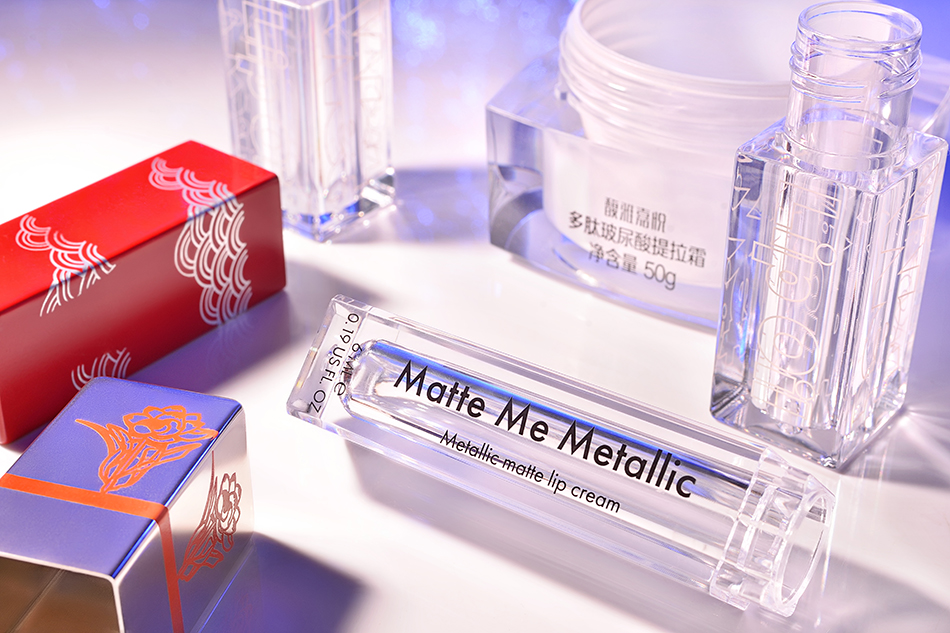
Key Considerations for Successful Glass Printing Projects
To achieve the best results with digital printing on glass, keep the following factors in mind:
- Glass Type: Not all glass is created equal. Tempered, laminated, and low-iron glass each offer different properties for printing and durability.
- Image Resolution: High-resolution files ensure crisp, clear prints. Vector graphics or 300+ DPI images are recommended for large panels.
- Color Management: Glass can affect color perception. Work closely with your printer to proof colors and adjust for transparency or reflectivity.
- Ink Selection: Choose between ceramic inks for permanent, kiln-fired results or UV-curable inks for flexibility and speed.
- Installation Environment: Consider exposure to sunlight, moisture, and temperature changes when specifying materials and finishes.
For those working on luxury interiors, high end interior glass applications can provide further guidance on selecting the right glass and print techniques.
Comparing Digital and Traditional Glass Printing Methods
While digital techniques are rapidly becoming the standard, it’s helpful to understand how they compare to older methods:
| Feature | Digital Printing | Traditional Printing |
|---|---|---|
| Setup Cost | Low (no screens required) | High (screens, stencils) |
| Design Complexity | Unlimited (photos, gradients) | Limited (flat colors, simple shapes) |
| Production Speed | Fast, ideal for short runs | Slower, best for large batches |
| Durability | Excellent with proper curing | Varies by ink/process |
| Environmental Impact | Lower waste, eco-friendly inks | More waste, higher VOCs |
For a deeper dive into technical aspects and coatings, see smart device glass printing for precision tech coatings.

Trends and Innovations in Glass Decoration
As technology advances, new possibilities for digital printing on glass continue to emerge. Some notable trends include:
- Interactive and Smart Glass: Integration with lighting, touch controls, or privacy features for dynamic environments.
- Large-Format Printing: Seamless graphics across oversized panels for dramatic visual impact.
- Textured and 3D Effects: Layered printing and specialty inks create tactile surfaces and depth.
- Custom Branding: Businesses leverage printed glass for unique displays—see more about branding opportunities with printed glass.
Staying up to date with these innovations ensures your projects remain fresh and competitive in the market.
Choosing the Right Partner for Your Project
Success with glass printing depends not only on technology but also on the expertise of your print provider. Look for companies with:
- Experience in your specific application (architecture, retail, art, etc.)
- High-quality equipment and materials
- Strong color management and proofing processes
- Clear communication and support from concept to installation
For a step-by-step overview of the process and more technical details, consult this comprehensive guide to printing on glass.
Frequently Asked Questions
What types of glass are suitable for digital printing?
Most flat glass types can be printed, including tempered, laminated, and low-iron glass. The choice depends on the intended use, required durability, and desired visual effect. Consult with your print provider to select the best option for your project.
How durable are digitally printed glass panels?
When using ceramic inks and proper curing methods, printed glass is highly resistant to scratches, UV exposure, and moisture. UV-curable inks are also durable but may be better suited for interior or protected environments.
Can I print photographs or detailed artwork on glass?
Yes, digital technology allows for the reproduction of high-resolution photos, gradients, and intricate patterns. For best results, provide artwork at 300 DPI or as vector files, and discuss color proofing with your printer.
Is digital glass printing environmentally friendly?
Compared to traditional methods, digital printing generates less waste and can use eco-friendly inks with low VOCs. Additionally, the process is more energy-efficient, especially for short runs or custom projects.




