
Printing on glass offers a world of creative and functional possibilities, from personalized drinkware and decorative panels to branded displays and architectural features. However, choosing the right glass printing method is crucial for achieving the desired look, durability, and cost-effectiveness for your specific project. With a variety of techniques available, each with its own strengths and limitations, understanding your options can help you make an informed decision and avoid common pitfalls.
Whether you’re working on a one-off custom piece or a large-scale commercial installation, the method you select will impact everything from color vibrancy to longevity and budget. Before diving into the technical details, it’s helpful to learn from others’ experiences. For example, reviewing common mistakes in glass printing can help you avoid costly errors as you plan your project.
Understanding Glass Printing Techniques
There are several established methods for transferring designs onto glass. Each technique offers unique benefits and is suited to different applications. Here are the most common approaches:
- Screen Printing: Ideal for bold, opaque colors and high-volume production. Involves pushing ink through a mesh stencil onto the glass surface.
- Digital UV Printing: Uses ultraviolet light to cure specially formulated inks, allowing for full-color, high-resolution images and gradients.
- Glass Etching: Achieved through abrasive blasting or chemical etching, creating a frosted or textured effect.
- Decal Application: Transfers pre-printed designs onto glass, which are then fired or cured for permanence.
- Sublimation: Transfers dye onto specially coated glass using heat and pressure, suitable for photographic images.
Each method varies in terms of cost, durability, color range, and suitability for different glass types and shapes. The right choice depends on your project’s requirements and desired outcome.
Factors to Consider When Selecting a Printing Method
When evaluating which process to use, keep these key factors in mind:
- Project Scale: Are you producing a single custom item or a large batch? Some methods, like screen printing, are more cost-effective for bulk orders, while digital printing is better for short runs or unique pieces.
- Design Complexity: Detailed, multi-color images are best achieved with digital or sublimation printing, while simple logos or text may be ideal for screen printing or etching.
- Durability Needs: Will the printed glass be exposed to frequent handling, washing, or outdoor conditions? Techniques like kiln-fired decals and etching offer superior longevity compared to some UV-cured inks.
- Budget: Costs can vary widely. Screen printing and etching may involve setup fees, while digital printing often has lower initial costs but higher per-piece pricing for large runs.
- Glass Type and Shape: Flat panels, curved surfaces, and specialty glass may require different approaches. Not all methods are suitable for every substrate.
Screen Printing: Classic and Reliable
Screen printing remains a popular choice for glass due to its vibrant, opaque colors and durability. This method is especially effective for simple graphics, logos, and text. It works well for both flat and cylindrical objects, such as bottles and glasses.
However, screen printing is less suited to photographic images or intricate gradients. It also involves setup costs for screens and stencils, making it more economical for larger quantities. For DIY enthusiasts or small businesses, kits like the Caydo Screen Printing Kit can be a practical starting point.
Digital UV Printing: Versatile and Detailed
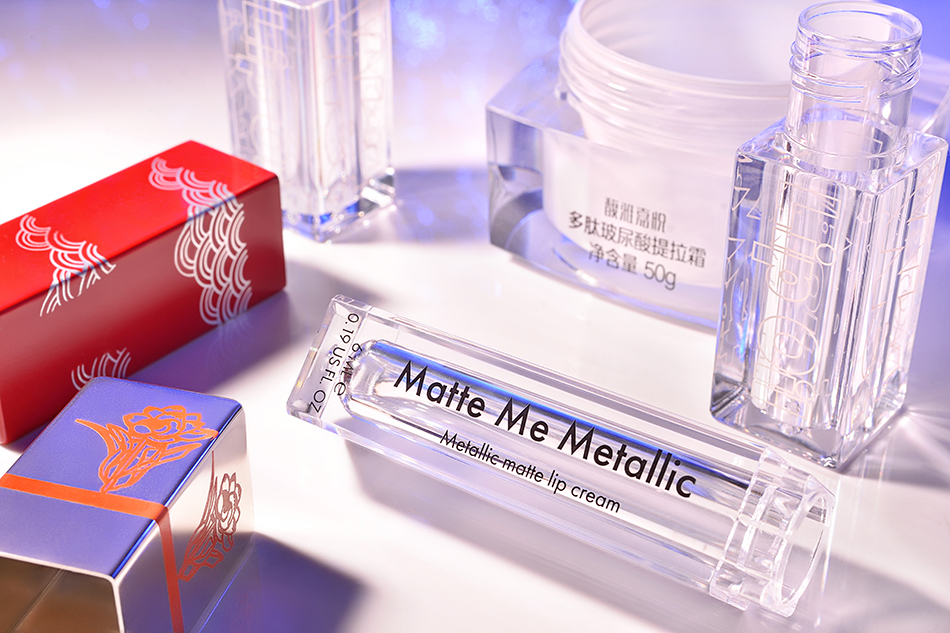
For projects requiring photographic quality, gradients, or intricate color details, digital UV printing is a top choice. This technique prints directly onto glass using UV-curable inks, which are instantly hardened by ultraviolet light. It allows for full-color images, variable data, and even white ink for opaque effects.
Digital printing is well-suited for short runs, prototypes, or custom pieces. It works best on flat glass but can be adapted for some curved surfaces. While the durability is generally good, it may not match kiln-fired or etched finishes for heavy-use items.
To explore more creative applications of printed glass, see these creative uses of printed glass for inspiration in interior design and branding.
Etching and Frosting: Elegant and Permanent
Etching creates a frosted, textured effect on glass by removing a thin layer of the surface. This can be achieved through sandblasting or with chemical etching creams like Armour Etch. Etched glass is highly durable, dishwasher-safe, and ideal for subtle, elegant designs such as monograms, patterns, or privacy panels.
Chemical etching is accessible for DIY projects and small batches, while sandblasting is often used for larger installations. Both methods are limited to single-color, non-photographic designs but offer unmatched permanence.
Other Methods: Decals and Sublimation
Decal application involves printing designs onto transfer paper, which is then applied to glass and fired in a kiln or cured with heat. This method is versatile and can accommodate complex artwork, but requires additional steps and equipment.
Sublimation printing is another option for coated glass surfaces, allowing for vibrant, full-color images. However, it is limited to specially prepared substrates and is not suitable for all glass types.
Comparing Methods for Different Applications
| Method | Best For | Durability | Color Range | Setup Cost |
|---|---|---|---|---|
| Screen Printing | Bulk orders, simple designs | High | Limited | Medium |
| Digital UV Printing | Custom, detailed images | Good | Full color | Low |
| Etching | Elegant, permanent effects | Very high | Single color (frosted) | Low |
| Decals | Complex, multi-color art | High | Full color | Medium |
| Sublimation | Photographic images on coated glass | Good | Full color | Low |
Tips for Making the Best Choice
- Define your goals: Consider the final use, environment, and required lifespan of your printed glass.
- Test first: If possible, request samples or test prints to evaluate color, clarity, and adhesion.
- Consult experts: For large or complex projects, work with experienced glass printers who can recommend the most suitable technique.
- Stay updated: New technologies continue to emerge, expanding what’s possible in glass decoration. For example, smart device glass printing is opening new doors in tech applications.
Glass Printing in Interior Design and Branding
Printed glass is increasingly used in luxury interiors, retail branding, and architectural features. From decorative wall panels to branded displays, the right printing technique can elevate a space and reinforce a brand’s identity. For more inspiration, explore high end interior glass applications or discover branding opportunities with printed glass for commercial environments.
For those interested in the intersection of glass and luxury design, this guide to glass in luxury interior design offers additional ideas and case studies.
Frequently Asked Questions
What is the most durable method for printing on glass?
Etching (either sandblasting or chemical) and kiln-fired decals are among the most durable options, as they alter the glass surface or fuse the design permanently. These methods withstand frequent handling, washing, and exposure to the elements.
Can I print full-color photographs on glass?
Yes, digital UV printing and sublimation are both capable of reproducing full-color photographic images on glass. Digital UV printing is more widely available and works on a variety of glass types, while sublimation requires specially coated glass.
Is it possible to print on curved or irregularly shaped glass?
Screen printing and decal application can be adapted for cylindrical or curved surfaces, such as bottles and glasses. Digital UV printing is generally best for flat panels, though some specialized equipment can handle curves. Always consult with your printer about the shape and size of your glass items.