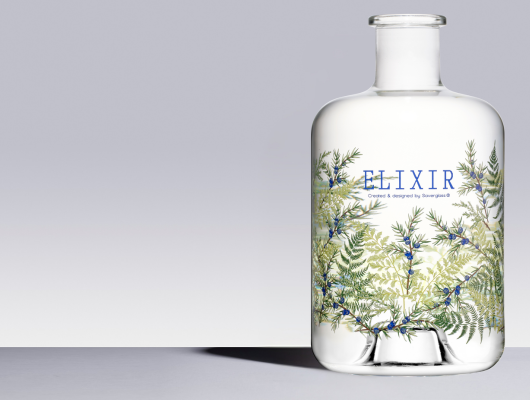

As sustainability becomes a top priority for businesses and consumers alike, the demand for eco friendly glass printing methods continues to grow. Glass packaging and decor are valued for their durability and recyclability, but the printing processes and inks used can have a significant environmental impact. By choosing greener techniques and materials, brands can reduce their carbon footprint and appeal to environmentally conscious customers.
This article explores the most sustainable approaches to glass printing, from innovative ink formulations to energy-efficient technologies. Whether you’re a manufacturer, designer, or simply interested in responsible production, understanding these options can help you make informed choices for a cleaner future.
For those interested in creative applications, you may also want to explore glass wall art ideas for inspiration on contemporary printed decor using sustainable techniques.
Why Sustainable Printing on Glass Matters
Traditional glass printing often relies on solvent-based inks, heavy metals, and high-temperature processes that consume significant energy and produce hazardous waste. These practices can harm both the environment and human health. By adopting eco friendly glass printing methods, manufacturers can:
- Reduce emissions of volatile organic compounds (VOCs)
- Lower energy consumption and greenhouse gas output
- Minimize hazardous waste and water pollution
- Support closed-loop recycling and circular economy initiatives
- Enhance brand reputation and meet regulatory requirements
Overview of Green Glass Printing Techniques
Several modern printing methods offer a more sustainable alternative to conventional processes. The most notable include:
- UV-curable digital printing: Uses energy-efficient UV lamps to instantly cure inks, reducing emissions and waste.
- Water-based screen printing: Replaces harmful solvents with water as the primary carrier, lowering toxicity and improving worker safety.
- Organic and ceramic inks: Formulated without heavy metals or toxic additives, these inks are safer for both people and the planet.
- Low-temperature firing: Advanced inks and coatings can be cured at lower temperatures, saving energy and reducing carbon emissions.
To compare digital and screen printing in more detail, see this comprehensive guide to glass print options that highlights the environmental and technical differences.
Water-Based Screen Printing: A Greener Classic
Screen printing has long been used for decorating glass bottles, jars, and panels. Traditionally, this process relied on solvent-based inks that released VOCs and required harsh chemicals for cleanup. Today, water-based alternatives offer a safer, more sustainable solution. These inks use water as the main solvent, drastically reducing air pollution and making cleanup easier and less hazardous.
Water-based screen printing is ideal for short to medium production runs and can achieve vibrant, durable results on glass. It’s particularly popular for food and beverage packaging, where regulatory compliance and consumer safety are essential.
Digital Printing: Precision and Efficiency
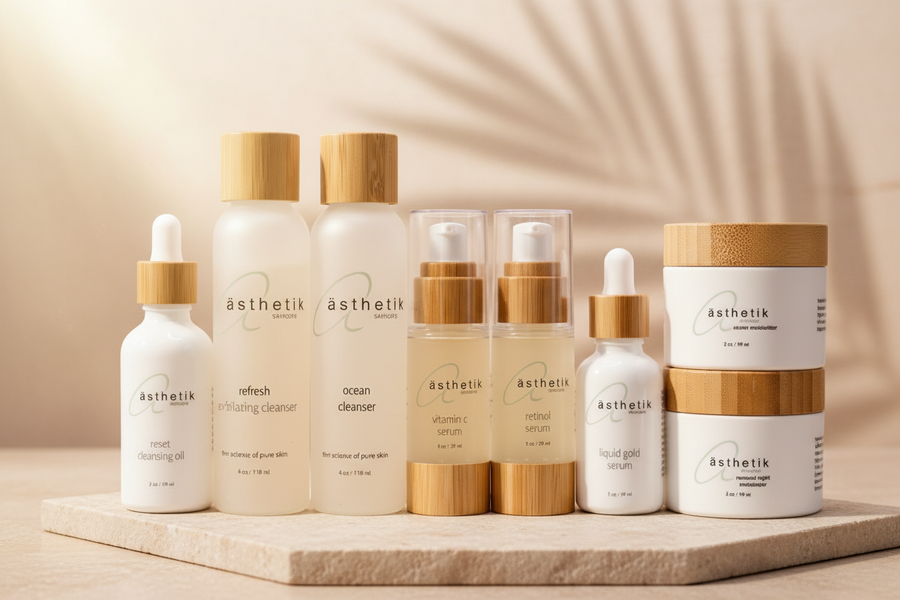
Digital printing is rapidly gaining popularity as a sustainable option for glass decoration. This method uses inkjet technology to apply designs directly onto glass surfaces, eliminating the need for screens or plates. The most advanced digital printers use UV-curable inks that solidify instantly under ultraviolet light, minimizing waste and energy use.
Key benefits of digital glass printing include:
- On-demand production with minimal setup waste
- Ability to print complex, full-color images with high resolution
- Reduced water and chemical usage
- Lower emissions compared to traditional firing processes
Digital printing is especially well-suited for custom projects, short runs, and applications where design flexibility is crucial. For a look at future trends and innovations, check out the article on innovations in glass printing.
Sustainable Ink Choices for Glass
Choosing the right ink is just as important as the printing method itself. The most eco-conscious options for glass printing include:
- Water-based inks: Free from harsh solvents, these are safer for both the environment and workers.
- Organic inks: Made from renewable plant-based materials, these inks are biodegradable and non-toxic.
- Lead-free ceramic inks: Traditional ceramic inks often contained lead and other heavy metals; modern alternatives are formulated to meet strict environmental standards.
- UV-curable inks: These contain minimal volatile compounds and cure instantly, reducing emissions and energy use.
When selecting inks, look for certifications such as EN71-3 (safety of toys), REACH, or RoHS compliance, which indicate reduced environmental and health risks.
Reducing Waste and Improving Efficiency
Beyond ink and printing technology, sustainable glass printing also involves minimizing waste and optimizing resource use. Here are some practical steps:
- Use recyclable or reusable screens and stencils in screen printing
- Implement closed-loop water systems to recycle rinse water
- Choose energy-efficient curing and drying equipment
- Design for minimal overspray and ink waste
- Source glass from recycled or low-impact suppliers
Proper cleaning and maintenance of printed glass can also extend product life and reduce the need for replacements. For tips on safe and effective cleaning, see cleaning printed glass surfaces.
Applications and Creative Uses
Eco-conscious glass printing is used in a wide range of industries, including:
- Food and beverage packaging
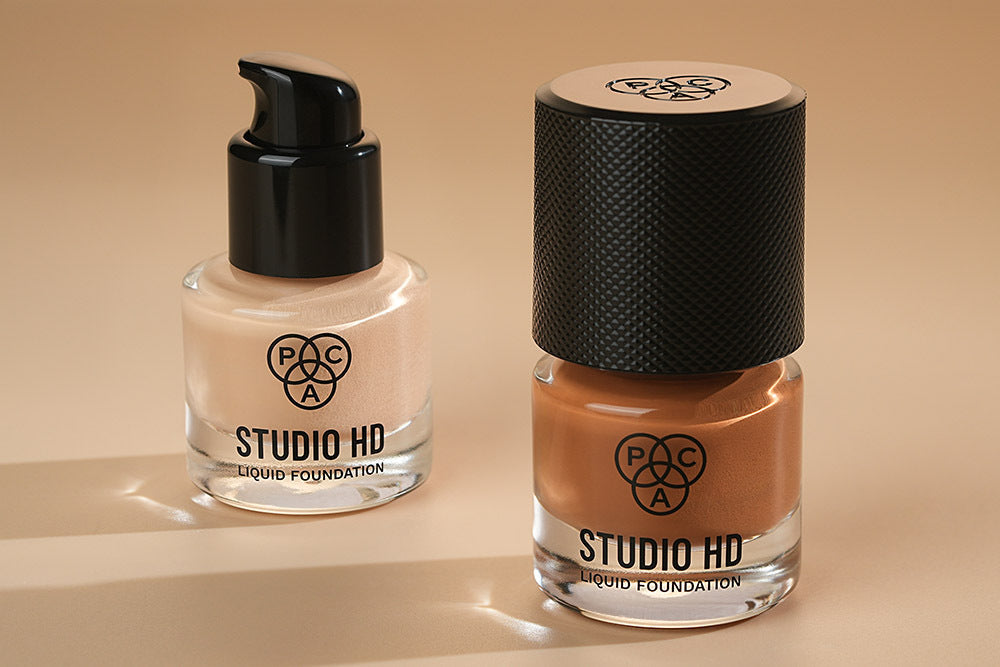
- Cosmetic and pharmaceutical containers
- Architectural glass and interior decor
- Custom gifts and commemorative products
- Art installations and wall panels
For those interested in personalized decor, photo printing on glass offers a vibrant, sustainable way to create custom wall art. Memorial products and tributes can also benefit from environmentally responsible printing, as seen in printed glass memorial products.
Challenges and Future Directions
While the shift toward eco friendly glass printing methods is accelerating, some challenges remain. Water-based and organic inks may have limitations in color vibrancy or durability compared to traditional options. Equipment upgrades and process changes can require upfront investment. However, ongoing research and technological advances continue to improve the performance and accessibility of sustainable solutions.
As consumer demand for green products grows, regulatory standards are also evolving. Staying informed about the latest developments ensures compliance and helps businesses stay competitive in a changing marketplace.
Frequently Asked Questions
What are the main benefits of using sustainable inks on glass?
Sustainable inks reduce harmful emissions, lower energy consumption, and minimize hazardous waste. They are safer for workers and end users, and often comply with strict environmental regulations.
Can eco-friendly printing methods achieve the same quality as traditional techniques?
Modern water-based and UV-curable inks can produce vibrant, durable results comparable to conventional methods. Advances in digital printing technology have made high-resolution, full-color designs possible without compromising on sustainability.
How can I ensure my printed glass products are truly eco-friendly?
Choose inks and processes certified for low toxicity and environmental impact, such as water-based or lead-free ceramic inks. Work with suppliers who prioritize recycled materials and energy-efficient production. Regularly review your processes to minimize waste and emissions.
Are there creative applications for sustainable glass printing?
Yes, eco-conscious printing is used for packaging, home decor, art installations, and personalized gifts. Innovative techniques allow for unique designs while maintaining a low environmental footprint.