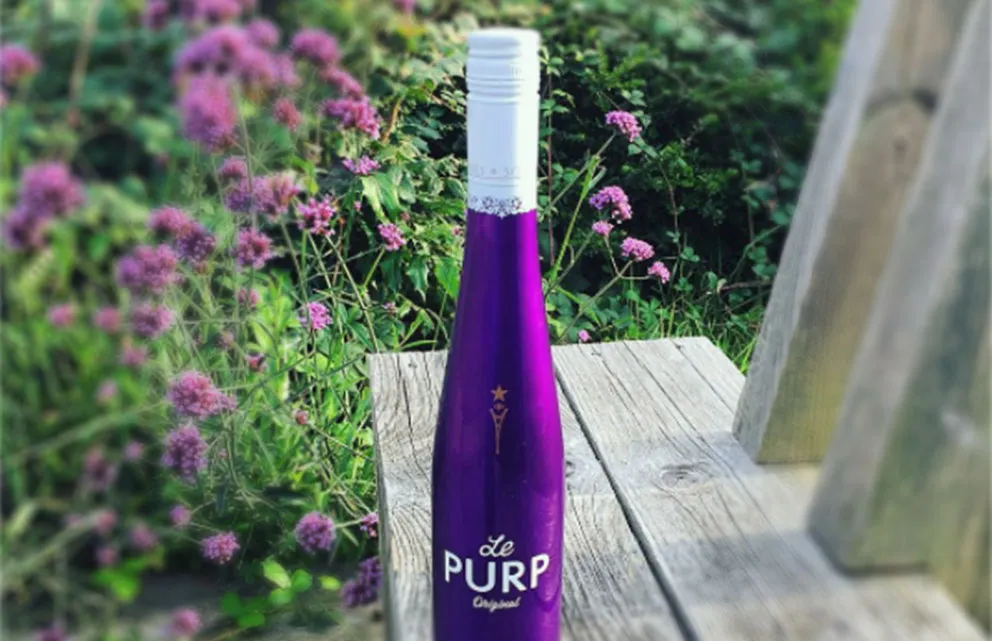

Screen printing has become a preferred method for decorating glass surfaces in industries ranging from packaging to interior design. Its ability to deliver vibrant, long-lasting designs makes it a standout choice for brands and creators seeking both visual impact and resilience. In this article, we’ll explore the advantages of screen printing on glass, compare it to alternative techniques, and highlight why it remains a staple for bold, durable decoration.
Whether you’re considering custom glassware, cosmetic bottles, or even glass wall art ideas, understanding the benefits of this process can help you choose the best approach for your next project. Let’s look at what sets this technique apart and how it can elevate your glass products.
What Is Screen Printing on Glass?
Screen printing, sometimes called silk screening, is a process where ink is pushed through a mesh stencil onto a substrate—in this case, glass. This technique allows for precise application of vibrant inks, resulting in crisp, opaque designs that adhere directly to the glass surface. The process is highly versatile, supporting single-color or multi-color prints, and is suitable for both small batches and large-scale production.
Screen printing is commonly used for:
- Decorating beverage bottles and jars
- Branding cosmetic and perfume containers
- Customizing glassware for events or retail
- Creating signage and decorative panels
Key Benefits of Screen Printing for Glass Surfaces
There are several advantages of screen printing on glass that make it the go-to method for many manufacturers and designers. Below, we break down the most important benefits:
Exceptional Durability and Longevity
One of the most significant strengths of this printing method is its durability. The inks used are formulated to bond tightly with glass, often cured at high temperatures to ensure resistance to abrasion, chemicals, and UV exposure. This means the printed designs won’t easily fade, scratch, or peel, even with frequent handling or washing.
For applications like printed glass memorial products or reusable drinkware, this long-lasting quality is essential for maintaining appearance over time.
Bold, Opaque Colors and High Visual Impact
Screen printing excels at delivering bold, opaque colors that stand out on transparent or colored glass. Unlike some digital or transfer methods, which can appear faint or translucent, this process ensures that logos, text, and graphics remain vibrant and easy to read. Metallic, fluorescent, and specialty inks can also be used for unique effects.
Versatility for Different Shapes and Sizes
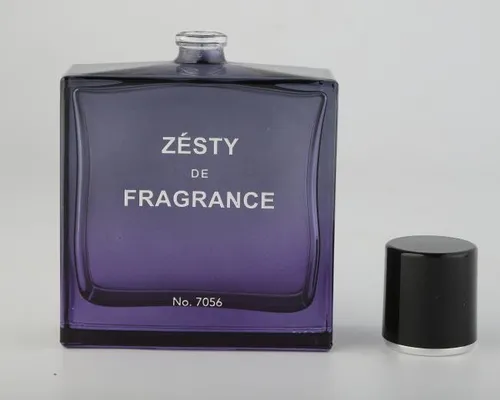
Screen printing is adaptable to a wide range of glass forms, from flat panels to curved bottles and jars. The process can accommodate both simple and complex shapes, making it suitable for everything from perfume bottles to architectural glass. This flexibility allows for creative freedom in design and branding.
Cost-Effective for Medium to Large Runs
While the initial setup for screen printing (creating screens and stencils) requires some investment, the cost per unit decreases significantly for medium and large production runs. This makes it an economical choice for businesses looking to decorate hundreds or thousands of glass items with consistent quality.
Resistance to Environmental Factors
Printed glass items often need to withstand exposure to sunlight, moisture, and chemicals. The inks and curing processes used in screen printing are designed to provide excellent resistance to these elements, ensuring that the printed graphics remain intact and vibrant over time. This is especially important for products like outdoor signage or reusable bottles.
Comparing Screen Printing to Other Glass Decoration Methods
While screen printing offers many unique advantages, it’s helpful to compare it with other popular glass decoration techniques:
| Method | Durability | Color Vibrancy | Best For |
|---|---|---|---|
| Screen Printing | High | Bold/Opaque | Branding, logos, large runs |
| UV Digital Printing | Moderate | Full color, photo quality | Short runs, detailed images |
| Decals/Transfers | Moderate | Good, but can fade | Complex graphics, small batches |
| Etching | Very High | Subtle, frosted look | Elegant designs, tactile effects |
For a deeper dive into the latest technologies, see our article on innovations in glass printing and how they’re shaping the future of design.
Applications That Benefit Most from Screen Printing
The advantages of screen printing on glass are especially valuable in several industries:
- Beverage Packaging: Wine, spirits, and craft beverage brands use screen printing for durable, eye-catching labels that withstand handling and washing.
- Cosmetics and Personal Care: Perfume and lotion bottles often feature intricate branding that must remain pristine despite frequent use.
- Promotional Products: Custom glassware for events or corporate gifts benefits from the bold, lasting finish.
- Architectural and Decorative Glass: Signage, panels, and wall art require both visual impact and longevity.
For those interested in maintaining the appearance of their printed glass, our guide on cleaning printed glass surfaces offers safe and effective tips.

Limitations and Considerations
While the benefits are substantial, there are some factors to keep in mind:
- Setup Costs: Creating screens and stencils can be costly for very small runs or one-off projects.
- Design Complexity: Extremely detailed or photo-realistic images may be better suited to digital printing methods.
- Color Limitations: Each color requires a separate screen, so multi-color designs can increase production time and cost.
For projects requiring full-color photographic prints or rapid prototyping, UV digital printing on glass offers an alternative, though it may not match the durability and opacity of screen-printed results.
Frequently Asked Questions
How long does screen printing last on glass?
When properly cured, screen-printed designs on glass are highly durable. They can last for years without fading or peeling, even with regular washing or outdoor exposure.
Is screen printing safe for food and beverage containers?
Yes, as long as food-safe inks are used. Many manufacturers use certified inks that are safe for contact with food and beverages, making the process suitable for bottles, jars, and drinkware.
Can screen printing be used on colored or frosted glass?
Absolutely. The process works well on clear, colored, or frosted glass, and the inks can be formulated to provide excellent coverage and contrast on any background.
Conclusion
The advantages of screen printing on glass—including its durability, bold color, and versatility—make it a top choice for both functional and decorative applications. Whether you’re branding bottles, creating custom decor, or producing promotional items, this technique delivers results that stand the test of time. For more inspiration and technical insights, explore our resources on UV cured inks for glass printing and the latest trends in glass decoration.