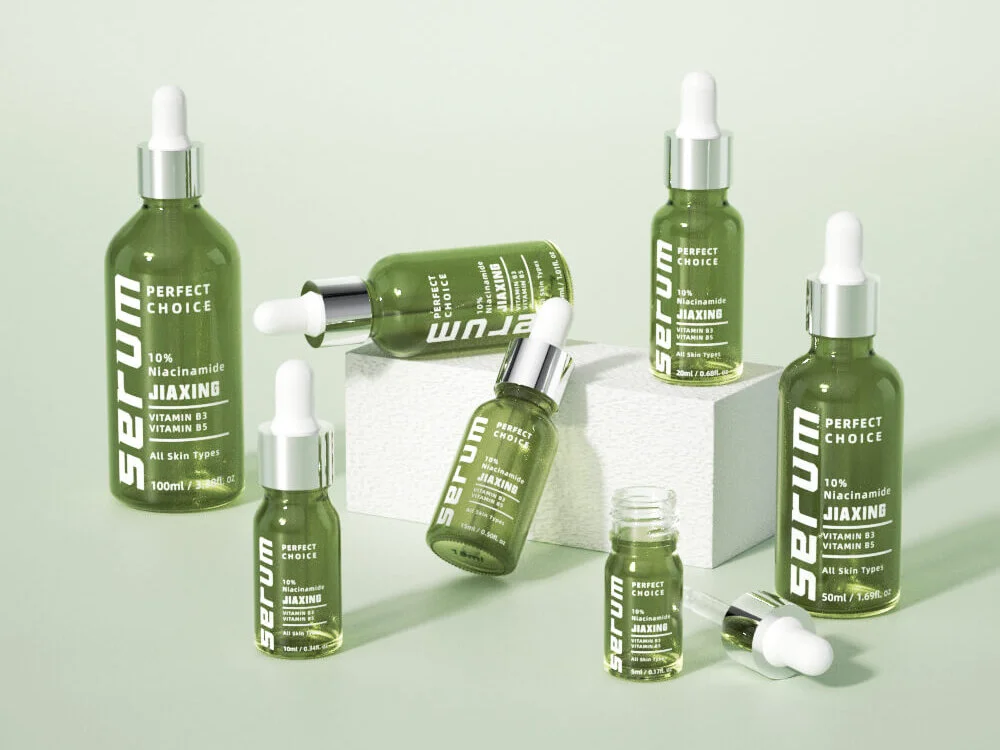

Printing on glass has evolved dramatically in recent years, with UV cured inks for glass printing leading the way in terms of speed, durability, and versatility. These advanced inks have become the preferred choice for manufacturers, decorators, and artists seeking vibrant, long-lasting results on bottles, panels, signage, and more. In this article, we’ll explore how UV technology works, its key advantages, and what to consider when choosing inks for your next glass project.
Whether you’re producing custom glass signs, privacy panels, or decorative bottles, understanding the science and benefits behind UV ink systems can help you achieve professional, reliable results. For those interested in exploring more specialized techniques, check out our guide on opaque glass printing techniques for privacy panels.
How UV Curing Works on Glass Surfaces
Traditional inks often struggle to adhere to non-porous materials like glass. UV cured inks solve this challenge by using a photochemical process. When exposed to ultraviolet light, the ink instantly polymerizes, forming a tough, cross-linked film that bonds tightly to the glass. This rapid curing process not only speeds up production but also ensures a scratch-resistant, chemical-resistant finish.
UV printing is compatible with various methods, including screen printing, digital inkjet, and pad printing. Each technique benefits from the fast curing and strong adhesion properties of UV inks, making them suitable for both high-volume industrial runs and bespoke, small-batch projects.
Advantages of UV Ink Technology for Glass Printing
Choosing UV cured inks for glass printing offers several compelling benefits:
- Speed: UV curing is virtually instantaneous, allowing for immediate handling and faster production cycles.
- Durability: The cured ink layer is highly resistant to abrasion, moisture, and chemicals, making it ideal for items exposed to frequent handling or washing.
- Vivid Colors: UV inks deliver sharp, vibrant colors and crisp details, even on clear or colored glass substrates.
- Eco-Friendly: With no solvents to evaporate, UV systems generate minimal VOC emissions, supporting greener manufacturing practices.
- Versatility: These inks can be used on flat, curved, or textured glass, expanding creative possibilities.
For a deeper dive into sustainable and solvent-free options, you may also find our guide to solvent-free printing processes helpful.
Applications: Where UV Cured Inks Excel
The unique properties of UV inks have opened up new possibilities in glass decoration and marking. Common applications include:
- Beverage and cosmetic bottles
- Glassware and tableware
- Architectural glass panels and privacy screens
- Custom glass signage and branding
- Decorative art pieces and awards
For businesses looking to enhance their branding, custom glass signs produced with UV technology offer a professional, high-impact solution. Learn more about these options in our article on custom glass signs for business branding.
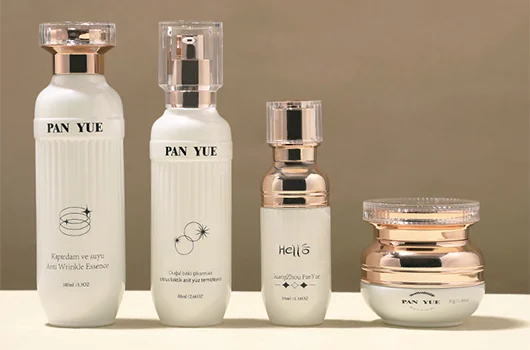
Comparing UV Cured Inks to Other Glass Printing Methods
While UV cured inks have become the industry standard for many glass applications, it’s helpful to understand how they differ from other techniques:
| Method | Curing Process | Durability | Typical Uses |
|---|---|---|---|
| UV Cured Ink | Instant UV light polymerization | Excellent (scratch, water, chemical resistant) | Bottles, signage, decorative glass |
| Solvent-Based Ink | Air drying/heat | Moderate (can fade or scratch) | Basic labeling, short-term graphics |
| Ceramic/Enamel Ink | High-temperature kiln firing | Very high (permanent, dishwasher safe) | Tableware, architectural glass |
UV technology stands out for its combination of speed, environmental benefits, and print quality. For a broader overview of glass printing processes, the Seaways Glass printing techniques resource provides a comprehensive look at industry options.
Factors to Consider When Selecting UV Inks for Glass
Not all UV inks are created equal. When choosing a product for your glass printing needs, keep these factors in mind:
- Adhesion: Look for inks specifically formulated for glass to ensure strong, lasting bonds.
- Flexibility: Some applications, such as curved bottles, require inks that can flex without cracking.
- Opacity and Color: Depending on your design, you may need highly opaque inks for bold graphics or transparent inks for subtle effects.
- Compatibility: Confirm the ink works with your printing equipment and curing lamps.
- Regulatory Compliance: For food or cosmetic packaging, verify that the ink meets relevant safety standards.
Consult your ink supplier for technical data sheets and testing recommendations. It’s also wise to run adhesion and durability tests on your specific glass substrate before full production.
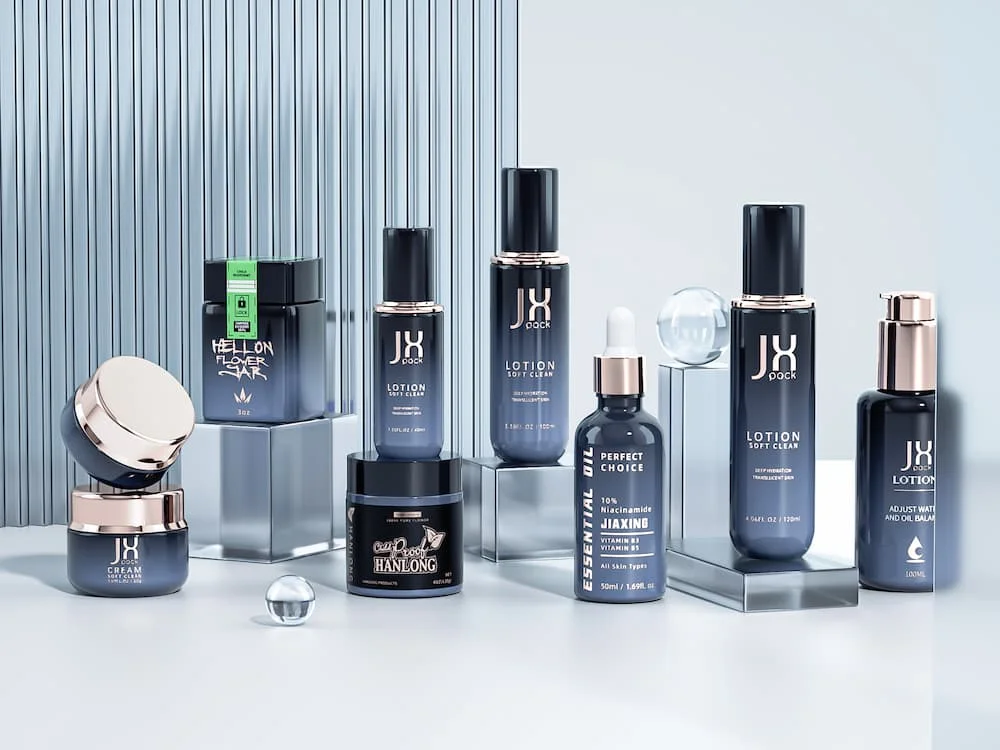
Tips for Achieving the Best Results with UV Printing on Glass
To maximize the benefits of UV ink technology, follow these best practices:
- Surface Preparation: Clean glass thoroughly to remove dust, oils, and residues. Some applications benefit from flame or corona treatment to improve adhesion.
- Test Prints: Always run test prints to check color, adhesion, and curing before starting a full production run.
- Monitor Curing: Ensure your UV lamps are operating at the correct wavelength and intensity for your ink system.
- Environmental Controls: Maintain stable temperature and humidity in your print area for consistent results.
- Post-Processing: Allow printed items to cool and fully cure before stacking or packaging to avoid smudging or sticking.
For those interested in creative finishes, combining UV printing with etching or sandblasting can produce striking effects. Products like Armour Etch Cream can be used alongside UV inks for layered designs.
FAQ: UV Ink Printing on Glass
Are UV cured inks safe for food and beverage packaging?
Many UV ink formulations are designed to meet food safety standards, but it’s essential to check the technical data sheet and confirm compliance for your specific application. For direct food contact, additional coatings or barriers may be required.
Can UV inks be used on colored or textured glass?
Yes, UV technology works well on a variety of glass types, including colored, frosted, and textured surfaces. However, ink opacity and color vibrancy may vary depending on the substrate, so testing is recommended.
How do UV cured inks compare to ceramic inks for outdoor durability?
UV inks offer excellent durability for most indoor and short-term outdoor uses. For long-term outdoor exposure or extreme environments, ceramic or enamel inks fired at high temperatures may provide greater resistance to fading and weathering.
Conclusion
UV cured inks have transformed the possibilities for glass decoration, offering a combination of speed, durability, and design flexibility unmatched by traditional methods. By understanding the technology and selecting the right ink for your needs, you can produce vibrant, resilient prints on everything from bottles to architectural panels. For more inspiration and technical insights, explore our resources on trends in wood-grain and natural textures on print and how to achieve photographic quality on corrugated flutes.