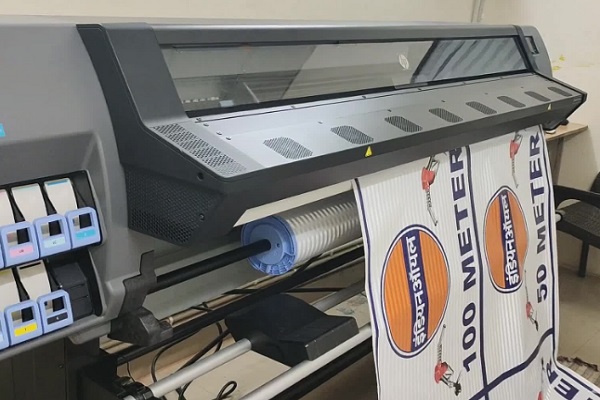

As environmental concerns continue to shape the print industry, businesses and individuals alike are searching for sustainable solutions that reduce their ecological impact. Eco friendly latex printing has emerged as a leading choice for those who want high-quality results without compromising on environmental responsibility. This approach to printing leverages water-based latex inks and advanced technology to deliver vibrant graphics while minimizing harmful emissions and waste.
Whether you manage a print shop, work in design, or simply want to make more sustainable choices, understanding the advantages of latex-based printing can help you make informed decisions. For a deeper dive into the benefits of latex printing for professional environments, explore our dedicated guide.
Understanding the Basics of Sustainable Latex Printing
At its core, eco friendly latex printing uses specially formulated water-based latex inks instead of traditional solvent or UV-curable inks. These latex inks are composed primarily of water, pigments, and a small amount of polymer latex, making them less hazardous to both people and the environment. Unlike solvent-based inks, which emit volatile organic compounds (VOCs) and require special ventilation, latex inks produce minimal odor and are safer to handle.
The technology behind latex printing has evolved rapidly over the past decade. Modern machines are designed to maximize efficiency and reduce waste, supporting a wide range of media types—from banners and signage to wallpapers and textiles. If you’re new to this technology, our latex printer basics guide provides a helpful introduction for first-time users.
How Latex Printing Reduces Environmental Impact
One of the main reasons latex printing is considered a greener alternative is its reduced environmental footprint. Here are some of the key ways this method supports sustainability:
- Low VOC Emissions: Water-based latex inks emit far fewer volatile organic compounds than solvent-based alternatives, improving indoor air quality and reducing health risks for operators.
- Odorless Production: Prints produced with latex inks are virtually odorless, making them suitable for sensitive environments like schools, hospitals, and retail spaces.
- Recyclable and Biodegradable Media: Many latex-compatible substrates are recyclable or biodegradable, further minimizing waste.
- Energy Efficiency: Modern latex printers often include energy-saving features, such as instant-on curing and lower operating temperatures.
- Safe Disposal: Since latex inks are not classified as hazardous waste, disposal is simpler and less costly compared to solvent-based products.
For a comprehensive overview of how latex ink is formulated and why it performs so well in sustainable applications, see our article on understanding latex ink.

Comparing Latex Printing to Traditional Methods
To appreciate the environmental advantages of latex-based printing, it’s helpful to compare it with other common print technologies:
| Printing Method | Ink Type | VOC Emissions | Substrate Compatibility | Disposal Concerns |
|---|---|---|---|---|
| Solvent | Solvent-based | High | Limited | Hazardous waste |
| UV-Curable | UV-curable | Moderate | Wide | Some hazardous elements |
| Latex | Water-based latex | Low | Very wide | Non-hazardous |
As shown above, latex printing stands out for its low emissions and broad compatibility with eco-friendly materials. For businesses looking to adopt more sustainable practices, this technology offers a practical path forward.
Key Applications and Benefits for Businesses
The versatility of eco friendly latex printing makes it suitable for a wide range of commercial and creative uses. Some of the most common applications include:
- Indoor and outdoor signage
- Wall coverings and custom wallpapers
- Retail displays and point-of-sale materials
- Vehicle wraps and fleet graphics
- Textile and fabric printing
Businesses benefit not only from the environmental advantages but also from the durability and color vibrancy that latex printing provides. Prints are resistant to fading, scratching, and water damage, making them ideal for both short-term promotions and long-lasting displays.
For those interested in the evolution of this technology, the history of latex printing reveals how innovation has driven improvements in both performance and sustainability.

Certifications and Industry Standards for Green Printing
Many manufacturers and print providers are adopting certifications to validate their commitment to sustainability. When evaluating latex printing solutions, look for the following:
- UL ECOLOGO® and GREENGUARD Certifications: These indicate that products meet strict environmental and health standards.
- Recyclable Ink Cartridges: Some brands offer take-back programs for used cartridges, reducing landfill waste.
- Energy Star Ratings: Devices with this label use less energy, further lowering their carbon footprint.
For more details on the technology and certifications behind these printers, visit HP’s overview of latex printing technology.
Staying Ahead: Trends and Innovations in Sustainable Printing
The world of eco friendly latex printing is constantly evolving. Recent trends include the development of even more sustainable inks, improved energy efficiency, and increased use of recycled or biodegradable substrates. Print providers are also investing in workflow automation and digital color management to reduce waste and improve consistency.
To stay up to date with the latest advancements, check out our article on the latest trends in latex printing shaping the future of signage and graphics.
Frequently Asked Questions
What makes latex printing more environmentally friendly than solvent or UV printing?
Latex printing uses water-based inks that emit very low levels of VOCs, making them safer for both operators and the environment. Unlike solvent and UV inks, latex inks do not require special ventilation or hazardous waste disposal, and prints are often suitable for recycling.
Are latex-printed materials safe for indoor use?
Yes. Prints produced with latex inks are virtually odorless and free from harmful emissions, making them ideal for use in schools, hospitals, offices, and homes.
Can latex printing be used with eco-friendly substrates?
Absolutely. Many latex-compatible materials are recyclable or biodegradable, and the technology supports a wide range of sustainable media for signage, displays, and décor.