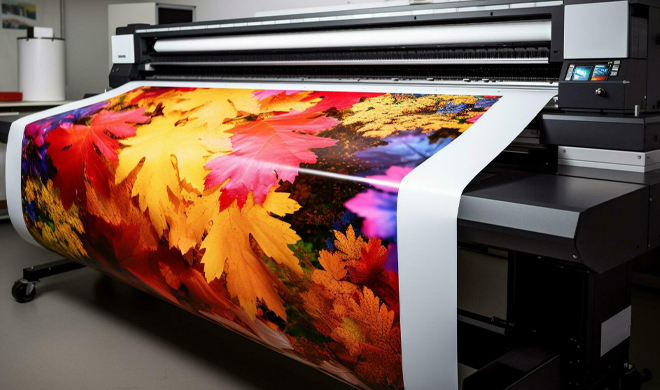

The printing industry has undergone significant changes in recent years, driven by the demand for sustainable solutions and high-quality results. Among the most notable advancements is the rise of eco solvent ink applications, which offer a balance between vibrant output and environmental responsibility. These inks have become a preferred choice for businesses looking to reduce their ecological footprint without sacrificing performance.
As brands and print service providers seek ways to meet evolving customer expectations, understanding the versatility and benefits of these inks is essential. From outdoor signage to custom packaging, eco-friendly solvent inks are reshaping the landscape of digital printing. For those interested in related innovations, exploring what is digital prototyping for packaging can provide further insights into how technology is accelerating production and sustainability in the print sector.
Understanding Eco Solvent Ink and Its Role in Printing
Eco solvent inks are formulated with mild, biodegradable solvents that emit fewer volatile organic compounds (VOCs) compared to traditional solvent-based inks. This makes them a safer and more environmentally conscious choice for both operators and end-users. The unique composition allows these inks to adhere to a wide range of substrates, including vinyl, canvas, and certain coated papers, making them suitable for diverse printing needs.
The use of eco-friendly solvents not only reduces harmful emissions but also minimizes odor and health risks in print environments. As a result, print shops can operate in less ventilated spaces and still maintain compliance with environmental regulations. This flexibility is especially valuable for businesses operating in urban areas or locations with strict air quality standards.
Key Advantages of Using Eco Solvent Inks
The adoption of eco solvent ink technology brings several notable benefits to modern print operations:
- Environmental Impact: Reduced VOC emissions and biodegradable components make these inks a greener alternative.
- Durability: Prints produced with eco solvent inks are resistant to water, UV light, and abrasion, ensuring long-lasting results for outdoor and indoor applications.
- Versatility: Suitable for a broad spectrum of materials, these inks enable creative freedom for designers and marketers.
- Cost Efficiency: Lower maintenance requirements and longer printhead life contribute to reduced operational costs.
- Quality: Vivid colors and sharp details are achievable, meeting the demands of high-resolution graphics and branding.
For a deeper dive into the sustainability and operational benefits, see this comprehensive overview of eco solvent printer advantages.
Popular Uses for Eco Solvent Ink in Today’s Market
The flexibility of eco solvent ink applications has led to their widespread adoption across various sectors. Some of the most common uses include:
- Outdoor Signage: Banners, billboards, and vehicle wraps benefit from the weather-resistant properties of these inks.
- Indoor Displays: Point-of-sale materials, exhibition graphics, and wall murals require vibrant, odorless prints suitable for enclosed spaces.
- Custom Packaging: Short-run packaging and prototypes can be produced efficiently with eco solvent technology.
- Labels and Stickers: Durable, high-quality labels for products and promotional use.
- Art Reproductions: Fine art prints and canvas reproductions that demand color accuracy and longevity.
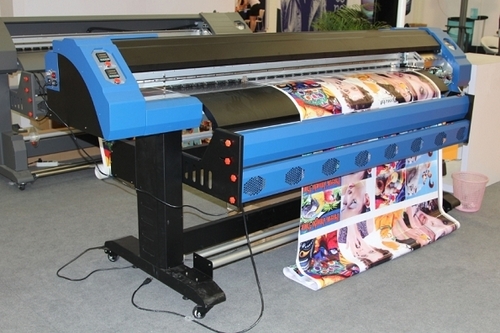
How Eco Solvent Printing Supports Sustainable Packaging
As consumer awareness of environmental issues grows, brands are seeking packaging solutions that align with their sustainability goals. Eco solvent inks play a crucial role in this shift by enabling the production of recyclable and compostable packaging materials with minimal environmental impact. Their compatibility with a range of substrates, including biodegradable films and papers, makes them ideal for short-run and custom packaging projects.
The integration of eco-friendly inks with digital printing platforms allows for rapid prototyping and on-demand production. This reduces waste and supports agile marketing strategies, where packaging designs can be updated quickly to reflect new campaigns or regulatory requirements. For more on the intersection of technology and packaging, see the article on how to design packaging for Gen Z consumers.
Comparing Eco Solvent Inks to Other Ink Technologies
When evaluating printing solutions, it’s important to understand how eco solvent inks differ from other popular options:
| Ink Type | Environmental Impact | Durability | Typical Uses |
|---|---|---|---|
| Eco Solvent | Low VOCs, biodegradable | High (outdoor/indoor) | Signage, packaging, labels |
| Traditional Solvent | High VOCs, hazardous | Very high (outdoor) | Billboards, vehicle wraps |
| UV-Curable | Low VOCs, non-biodegradable | Very high (all surfaces) | Rigid substrates, specialty items |
| Water-Based | Very low VOCs, safe | Moderate (mainly indoor) | Posters, indoor graphics |
While each ink type has its strengths, eco solvent ink applications offer a unique combination of environmental responsibility and performance, making them a popular choice for businesses balancing quality with sustainability.
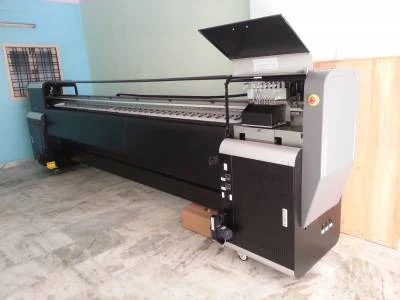
Best Practices for Maximizing Results with Eco Solvent Printing
To achieve the best outcomes with eco solvent inks, consider the following tips:
- Choose Compatible Media: Select substrates specifically designed for eco solvent inks to ensure optimal adhesion and color vibrancy.
- Maintain Equipment: Regular cleaning and calibration of printers help extend printhead life and maintain consistent quality.
- Control the Environment: Keep printing areas free from dust and extreme temperatures to prevent defects and ensure smooth operation.
- Test Before Production: Run small test prints when working with new materials or designs to verify results before full-scale production.
- Stay Informed: Keep up with the latest advancements in ink formulations and printing technology to leverage new capabilities.
For those interested in other advanced printing technologies, learning about what is electron beam curing in printing can offer additional perspectives on innovation in the field.
Frequently Asked Questions
Are eco solvent inks safe for indoor use?
Yes, eco solvent inks emit significantly fewer VOCs and have minimal odor, making them suitable for indoor applications such as wall graphics, displays, and signage in retail or office environments.
How do eco solvent inks compare to water-based inks?
While both are more environmentally friendly than traditional solvent inks, eco solvent inks offer greater durability and outdoor resistance. Water-based inks are typically used for indoor graphics and posters where exposure to elements is limited.
Can eco solvent inks be used for food packaging?
Eco solvent inks are not generally certified for direct food contact. However, they can be used for packaging exteriors or labels, provided there is a suitable barrier between the ink and the food product.
What substrates work best with eco solvent inks?
These inks are compatible with a wide range of materials, including vinyl, canvas, certain coated papers, and some biodegradable films. Always check manufacturer recommendations for best results.
Conclusion
The adoption of eco solvent ink applications is transforming the printing industry by offering a practical solution that meets both environmental and performance goals. Their versatility, durability, and reduced environmental impact make them an excellent choice for businesses seeking to innovate responsibly. As technology continues to evolve, staying informed about new developments in ink and printing processes will help organizations remain competitive and sustainable.
For additional insights into optimizing color workflows and achieving consistent results, consider reading about the benefits of cloud-based color management for global brands.