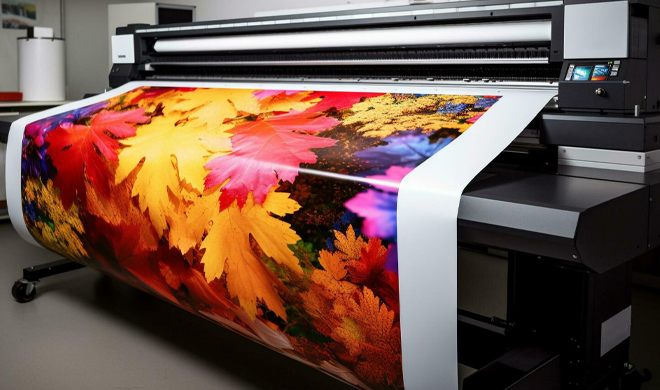

As the demand for environmentally friendly printing solutions grows, more businesses and professionals are turning to eco solvent ink compatible printers. These printers offer a balance between high-quality output and reduced environmental impact, making them a popular choice for signage, banners, and various graphics applications. Understanding which printers support eco solvent inks can help you make informed purchasing decisions and streamline your print production process.
In this guide, you’ll find a comprehensive overview of printers that work with eco solvent inks, key features to look for, and practical tips for choosing the right model for your needs. For those interested in broader innovations in the print industry, exploring topics like what is digital prototyping for packaging can provide additional context on how technology is transforming packaging and print workflows.
Understanding Printers That Support Eco Solvent Inks
Printers designed for use with eco solvent inks are engineered to deliver vibrant, long-lasting prints while minimizing harmful emissions. These devices are commonly used in outdoor advertising, vehicle wraps, and indoor displays where durability and color accuracy are essential. Unlike traditional solvent printers, models compatible with eco solvent inks emit fewer volatile organic compounds (VOCs), making them safer for operators and the environment.
The compatibility of a printer with eco solvent inks depends on several factors, including the printhead technology, ink delivery system, and manufacturer specifications. Many leading brands offer dedicated models or series optimized for these inks, ensuring consistent performance and reliability.
Key Features of Eco Solvent Ink Ready Printers
When evaluating printers for eco solvent ink use, consider the following important features:
- Printhead Compatibility: Ensure the printer’s printhead is designed to handle eco solvent formulations, such as Epson DX5, DX7, or similar heads known for precision and durability.
- Media Versatility: Look for models that support a wide range of substrates, including vinyl, canvas, and banner materials, to maximize application flexibility.
- Ink System Design: A robust ink delivery system helps prevent clogging and ensures smooth operation with eco solvent inks, which can differ in viscosity from other ink types.
- Maintenance Features: Automated cleaning cycles and easy access to maintenance parts can reduce downtime and extend the lifespan of your printer.
- Environmental Certifications: Some manufacturers provide certifications or third-party testing to verify reduced emissions and eco-friendly operation.
Popular Models and Brands Supporting Eco Solvent Inks
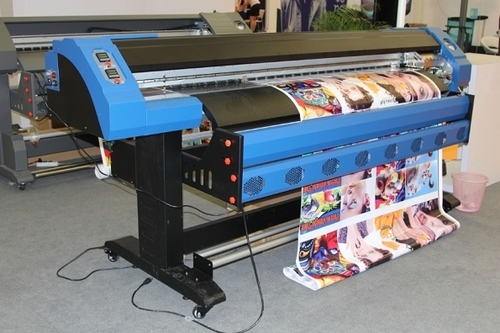
The market offers a variety of eco solvent ink compatible printers from established brands. Here are some of the most recognized options:
- Roland VersaCAMM Series: Known for reliability and print quality, these printers are a staple in sign shops and graphics studios.
- Mimaki JV Series: Offers advanced color management and high-speed output, making them suitable for demanding production environments.
- Epson SureColor S-Series: These models combine precision engineering with eco solvent ink technology for professional results.
- Mutoh ValueJet Series: Popular for their ease of use and consistent performance across a range of applications.
- HP Latex Printers: While technically using latex inks, many models are designed to offer similar environmental benefits and application versatility.
Benefits of Using Eco Solvent Ink Printers
Choosing a printer that works with eco solvent inks brings several advantages. These include:
- Reduced Environmental Impact: Lower VOC emissions contribute to a safer workplace and less environmental pollution.
- Durable Prints: Eco solvent inks are resistant to fading, water, and scratches, making them ideal for outdoor and high-traffic applications.
- Wide Application Range: Compatible printers can handle various substrates, expanding your service offerings.
- Cost Efficiency: Many eco solvent printers offer efficient ink usage and lower maintenance costs over time.
For a deeper dive into the advantages, you can read about the major benefits of eco solvent printers and how they compare to other technologies.
How to Choose the Right Printer for Eco Solvent Inks
Selecting the best printer for your needs involves more than just checking compatibility. Consider your production volume, the types of materials you plan to print on, and your available workspace. It’s also wise to evaluate after-sales support, warranty terms, and the availability of replacement parts and consumables.
If your business is expanding into new markets or looking to improve efficiency, you might also benefit from learning about the benefits of cloud-based color management for consistent color output across multiple devices and locations.
Maintenance and Best Practices for Eco Solvent Printers
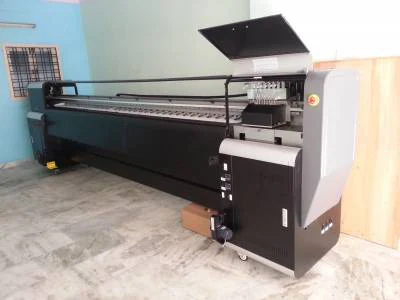
To get the most out of your eco solvent ink printer, follow these maintenance tips:
- Perform regular cleaning cycles to prevent nozzle clogs and maintain print quality.
- Use only recommended eco solvent inks to avoid compatibility issues and protect your printhead.
- Store inks and media in a controlled environment to preserve their properties.
- Schedule periodic inspections of the ink delivery system and replace worn parts as needed.
- Keep firmware and software updated for optimal performance and new features.
Staying proactive with maintenance not only extends the life of your printer but also ensures consistent, high-quality results for every job.
Expanding Your Printing Capabilities
As print technology evolves, integrating eco solvent ink printers into your workflow can open new opportunities. Whether you’re producing vibrant displays or durable outdoor graphics, these printers support a wide range of creative and commercial applications. For those interested in exploring advanced finishing techniques, learning about what is holographic lamination can further enhance your print offerings.
Additionally, understanding trends in packaging design, such as how to design packaging for Gen Z consumers, can help you stay competitive and relevant in a rapidly changing market.
Frequently Asked Questions
What types of media can be used with eco solvent ink printers?
Most eco solvent compatible models can print on a variety of materials, including vinyl, canvas, banners, adhesive films, and some coated papers. Always check your printer’s specifications for approved substrates.
Are eco solvent inks safe for indoor use?
Yes, eco solvent inks emit significantly fewer VOCs compared to traditional solvents, making them safer for indoor environments. However, ensure adequate ventilation and follow manufacturer guidelines for best results.
How do eco solvent printers compare to latex or UV printers?
Eco solvent printers offer durable, vibrant prints with lower environmental impact than traditional solvent models. Latex and UV printers provide similar benefits but may differ in ink formulation, curing process, and substrate compatibility. The best choice depends on your specific application and production needs.