

When it comes to large-format printing for banners, vehicle wraps, and outdoor signage, eco solvent ink durability outdoor is a critical factor for both print providers and clients. These inks are engineered to withstand harsh weather, UV exposure, and physical wear, making them a popular choice for applications that demand longevity and vibrant color. Understanding how these inks perform in real-world outdoor conditions can help you make informed decisions about your printing projects and investments.
In this article, we’ll break down the science behind eco solvent ink resilience, compare it to other ink technologies, and offer practical tips to maximize outdoor print life. For those interested in innovative print technologies, you may also want to explore what is digital prototyping for packaging to see how rapid prototyping is transforming the industry.
What Sets Eco Solvent Inks Apart for Outdoor Use?
Eco solvent inks are formulated with mild, biodegradable solvents that carry pigments deep into the print media. Unlike traditional solvent inks, they emit fewer volatile organic compounds (VOCs), making them safer for operators and the environment. Their unique composition allows for strong adhesion to a variety of substrates, including vinyl, canvas, and certain plastics, which is essential for outdoor signage and graphics.
The durability of these inks outdoors is largely due to their resistance to water, sunlight, and abrasion. Once cured, the ink forms a flexible, weather-resistant layer that can endure rain, wind, and direct sunlight for extended periods. This makes eco solvent prints a reliable choice for billboards, vehicle graphics, and banners that need to maintain their appearance over time.
Key Factors Influencing Outdoor Longevity
Several elements affect how long eco solvent prints will last when exposed to the elements. Here are the main factors to consider:
- UV Resistance: Direct sunlight can cause colors to fade. High-quality eco solvent inks are designed with UV inhibitors to slow this process.
- Waterproofing: These inks are inherently water-resistant, preventing smudging or running during rain or cleaning.
- Substrate Compatibility: The choice of print media impacts adhesion and flexibility, both of which are crucial for outdoor durability.
- Lamination: Applying a protective laminate can further extend the life of outdoor prints by shielding them from scratches and environmental pollutants.
- Ink Layer Thickness: Proper ink deposition ensures even coverage and reduces the risk of premature wear.
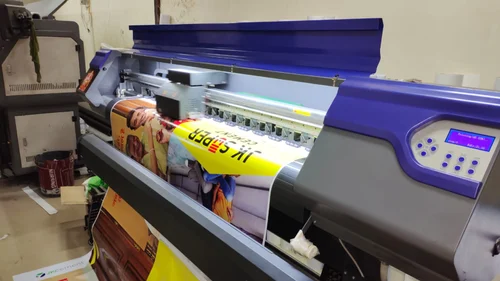
Comparing Eco Solvent Ink to Other Outdoor Printing Technologies
When evaluating outdoor print options, it’s helpful to compare eco solvent inks to other common ink types:
- Traditional Solvent Inks: Known for their high durability and aggressive adhesion, but they emit more VOCs and require more ventilation during printing.
- UV-Curable Inks: Offer instant curing and excellent outdoor resistance, but may be less flexible on certain substrates, which can lead to cracking on vehicle wraps or flexible banners.
- Latex Inks: Water-based and environmentally friendly, latex inks provide good outdoor performance but sometimes lack the vibrancy and longevity of high-quality eco solvent prints.
For most outdoor signage and graphics, eco solvent inks strike a balance between environmental responsibility, print quality, and long-term performance.
Real-World Applications and Performance Insights
Outdoor advertising, fleet graphics, and event banners are just a few areas where eco solvent prints excel. These applications demand not only vibrant color but also the ability to withstand months or even years of exposure without significant fading or peeling.
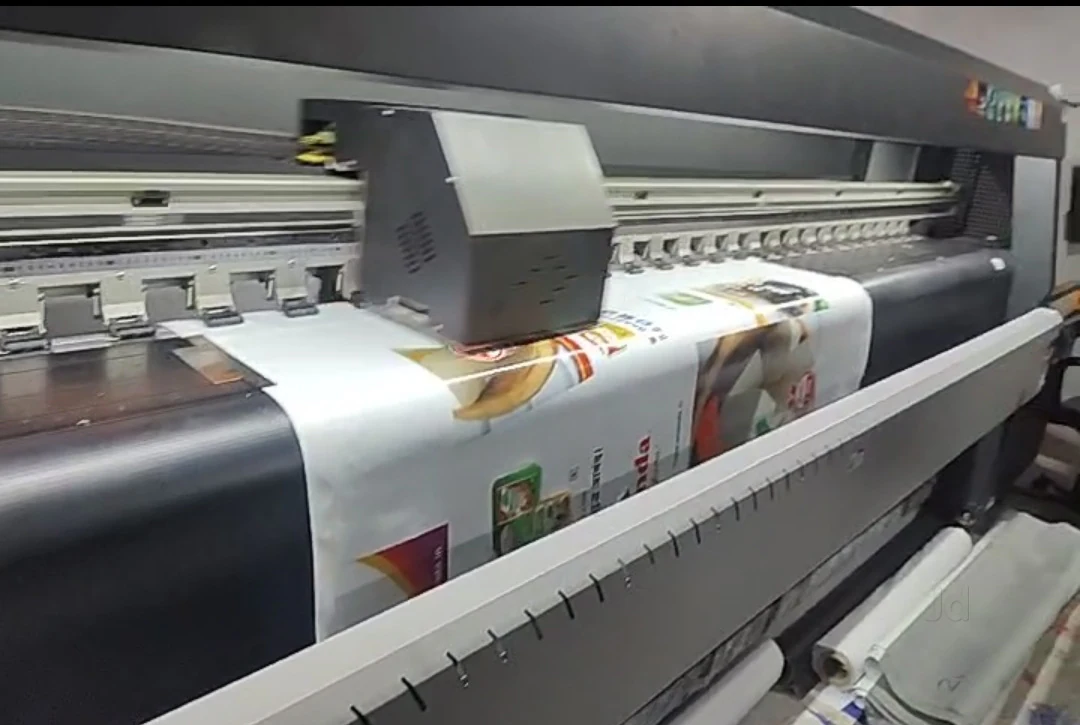
In independent tests and field use, banners printed with eco solvent inks have remained visually appealing for two to three years outdoors, even in challenging climates. Vehicle wraps, which endure constant sun and road debris, often last just as long with proper installation and care.
For brands focused on color consistency across global campaigns, integrating eco solvent printing with cloud-based color management solutions can further enhance print reliability and brand integrity.
Maintenance Tips to Maximize Outdoor Print Life
To get the most out of your eco solvent prints, regular maintenance and proper handling are essential. Here are some practical tips:
- Clean Surfaces Gently: Use mild soap and water for cleaning. Avoid harsh chemicals that can degrade the ink layer.
- Inspect for Damage: Check prints periodically for signs of peeling or abrasion, especially on vehicle graphics.
- Store Properly: When not in use, roll banners and graphics loosely and store them in a cool, dry place to prevent creasing and ink cracking.
- Apply Laminate When Needed: For high-traffic or high-exposure areas, a UV-protective laminate can significantly extend print life.
- Printer Maintenance: Keeping your printer in top condition ensures consistent ink application and reduces the risk of print defects. For more on this, see these maintenance tips for smoother printer operations and performance.
Environmental Impact and Safety Considerations
One of the main advantages of eco solvent inks is their reduced environmental footprint. By using milder solvents and generating fewer hazardous emissions, these inks help create a safer workspace for operators and a more sustainable printing process overall. Many print shops choose eco solvent technology to meet regulatory standards and to appeal to environmentally conscious clients.
Additionally, the lower odor and improved indoor air quality make these inks suitable for use in retail and educational environments where safety and comfort are priorities.
Frequently Asked Questions
How long do eco solvent prints last outdoors?
With proper media selection and installation, eco solvent prints typically last between two and three years outdoors without significant fading or deterioration. Adding a laminate can further extend their lifespan.
Are eco solvent inks safe for the environment?
Yes, these inks are formulated with biodegradable solvents and emit fewer VOCs than traditional solvent inks, making them a safer and more environmentally friendly choice for outdoor graphics.
Can eco solvent prints be used for vehicle wraps?
Absolutely. Their flexibility and strong adhesion make them ideal for vehicle wraps, where durability and resistance to weather, washing, and road debris are essential.
What substrates work best with eco solvent inks for outdoor use?
Vinyl is the most common substrate, but these inks also perform well on canvas, certain plastics, and coated papers designed for outdoor signage.
Do eco solvent inks require special maintenance?
While they are low-maintenance, regular cleaning with mild soap and water, periodic inspections, and proper storage will help maximize the life of your prints.
For those interested in exploring more advanced print finishing techniques, such as eye-catching effects for packaging, you might find what is holographic lamination a valuable read.