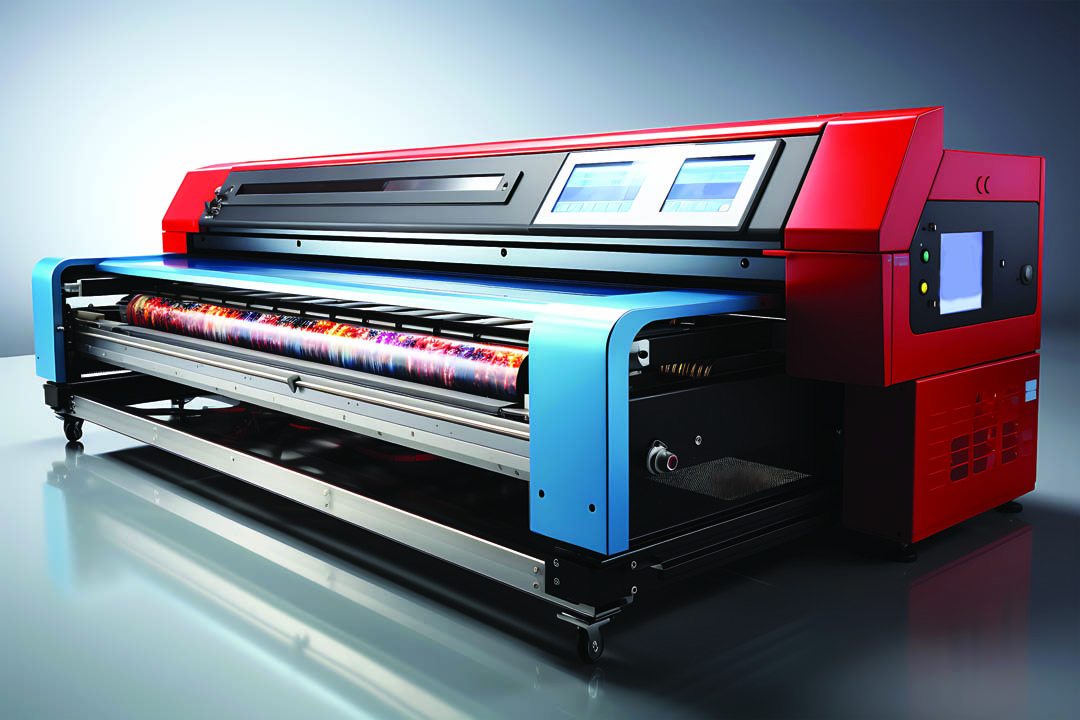

Choosing the right ink is essential for producing vibrant, long-lasting banners that stand up to environmental challenges. Eco solvent ink for banner printing has become a preferred solution for print shops and businesses seeking a balance between print quality, durability, and environmental responsibility. This article explores the most effective ways to use eco solvent inks, from selecting materials to optimizing print settings, ensuring your banners look professional and last longer.
As the printing industry evolves, sustainability and performance are no longer mutually exclusive. Eco solvent formulations offer lower emissions and less odor, making them suitable for indoor and outdoor applications. If you’re interested in how digital innovation is shaping packaging and print, you might find our guide on what is digital prototyping for packaging helpful for understanding the broader landscape.
Understanding Eco Solvent Inks for Large-Format Banners
Eco solvent inks are designed for use in wide-format printers and are especially popular for producing banners, signs, and other graphics that require outdoor durability. These inks are made with mild, biodegradable solvents that emit fewer volatile organic compounds (VOCs) than traditional solvent inks. This makes them safer for operators and more environmentally friendly.
When using eco solvent ink for banner printing, you benefit from:
- Vivid color reproduction suitable for both indoor and outdoor displays
- Improved weather resistance compared to aqueous inks
- Lower environmental impact due to reduced VOC emissions
- Compatibility with a wide range of media, including vinyl, canvas, and specialty films
Choosing the Right Banner Material for Eco Solvent Printing
The choice of substrate is crucial for achieving optimal results. Not all banner materials respond the same way to eco solvent inks. Here are some popular options:
- PVC vinyl: The most common banner substrate, offering excellent ink adhesion and weather resistance.
- Polyester fabrics: Suitable for soft signage and displays, providing a premium look and feel.
- Mesh banners: Ideal for windy outdoor environments, allowing air to pass through while maintaining print quality.
Always check the manufacturer’s recommendations for media compatibility with eco solvent formulations. Using the correct material ensures sharp images, vibrant colors, and long-lasting results.
Printer Setup and Maintenance for Consistent Results
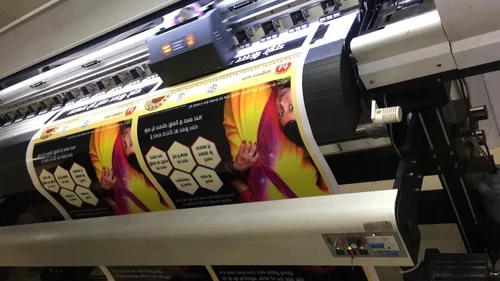
Proper printer setup is essential for maximizing the benefits of eco solvent inks. Start by ensuring your printer is compatible with these inks—most modern wide-format printers are, but always verify with the manufacturer.
- Regular cleaning: Prevent nozzle clogs and maintain printhead health by following a consistent cleaning schedule.
- Correct profiles: Use ICC color profiles tailored for your ink and media combination to achieve accurate color reproduction.
- Temperature and humidity control: Maintain a stable environment in your print room to avoid ink drying issues or color shifts.
Routine maintenance not only extends the life of your equipment but also ensures that every banner you produce meets your quality standards.
Optimizing Print Settings for Eco Solvent Ink Applications
Fine-tuning your print settings can make a significant difference in output quality. Here are some best practices:
- Resolution: For banners viewed from a distance, a lower DPI (dots per inch) is often sufficient, saving ink and speeding up production.
- Pass count: Adjust the number of passes to balance speed and color saturation. More passes can yield richer colors but take longer.
- Drying time: Allow adequate drying time between printing and finishing processes, especially if laminating or hemming banners.
Experiment with test prints to find the optimal balance for your specific printer, ink, and media combination.
Benefits and Applications of Eco Solvent Banner Printing
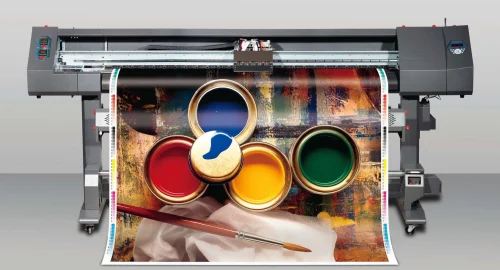
Banners printed with eco solvent inks offer several advantages over those produced with traditional or aqueous inks:
- Outdoor durability: Resistant to UV light, moisture, and abrasion, making them ideal for long-term outdoor use.
- Versatility: Suitable for a wide range of applications, including billboards, event signage, retail displays, and vehicle graphics.
- Eco-friendliness: Lower environmental impact due to reduced hazardous emissions and safer disposal.
For a deeper dive into how these inks are transforming advertising, see the benefits and applications of eco solvent printing for backlit banner fabric film in advertising.
Finishing and Post-Printing Considerations
After printing, proper finishing ensures your banners remain vibrant and intact throughout their intended lifespan. Key steps include:
- Lamination: Adds an extra layer of protection against scratches, fading, and harsh weather.
- Hemming and grommeting: Reinforces edges and provides mounting points for easy installation.
- Trimming: Use sharp tools to achieve clean, professional edges without fraying or tearing.
Allow printed banners to cure fully before finishing. This prevents smudging and ensures the ink bonds properly to the substrate.
Common Mistakes to Avoid with Eco Solvent Banner Printing
Even experienced print professionals can encounter issues if best practices are not followed. Watch out for these common pitfalls:
- Using incompatible media: Always verify that your banner material is rated for eco solvent inks.
- Skipping maintenance: Neglecting printer upkeep can lead to clogged nozzles and inconsistent print quality.
- Insufficient drying time: Rushing the finishing process can result in smudged or damaged prints.
- Ignoring environmental factors: Fluctuations in temperature and humidity can affect ink performance and adhesion.
Staying attentive to these details ensures reliable, high-quality results every time.
Integrating Eco Solvent Banner Printing into Your Workflow
Adopting eco solvent technology can streamline your production process while meeting client demands for sustainability. Consider these integration tips:
- Staff training: Ensure your team understands the unique handling and safety requirements of eco solvent inks.
- Inventory management: Store inks and media in a controlled environment to maintain quality and shelf life.
- Workflow optimization: Use color management tools and automation to reduce waste and improve consistency. For more on this, see our article on the benefits of cloud-based color management.
With the right approach, you can deliver superior banners that satisfy both environmental and commercial goals.
Frequently Asked Questions
What makes eco solvent ink different from traditional solvent ink?
Eco solvent inks use milder, biodegradable solvents that emit fewer VOCs, making them safer for operators and the environment. They produce less odor and are suitable for both indoor and outdoor applications, while still offering excellent durability.
Can eco solvent ink be used on all types of banner materials?
No, not all banner substrates are compatible. Always check the manufacturer’s recommendations. PVC vinyl, polyester fabrics, and mesh banners are generally suitable, but using the wrong material can result in poor adhesion or color quality.
How long do banners printed with eco solvent inks last outdoors?
With proper material selection and finishing, banners printed with eco solvent inks can last from 1 to 3 years outdoors, depending on exposure to sunlight, weather, and environmental conditions.