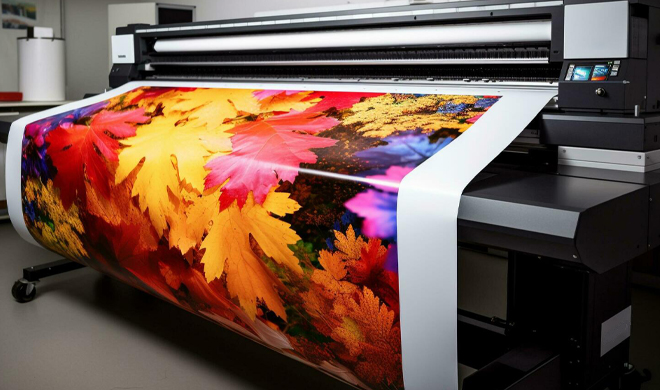

The world of label production is evolving rapidly, with businesses and print professionals seeking sustainable, high-quality solutions for their packaging and branding needs. Eco solvent ink for label printing has emerged as a popular choice, offering a balance between vibrant print results and environmental responsibility. But what exactly sets these inks apart, and why are they so widely adopted in the label industry?
In this article, you’ll find a clear overview of eco solvent inks, their benefits for label applications, and how they compare to other ink technologies. We’ll also address common questions and provide resources for those considering a switch to greener printing practices. For those interested in broader uses, you can also explore the eco solvent ink large format printing guide for more insights.
Understanding Eco Solvent Inks and Their Role in Label Production
Eco solvent inks are a type of ink formulation designed to be less harmful to the environment than traditional solvent-based inks. They use milder, biodegradable solvents that emit fewer volatile organic compounds (VOCs), making them safer for both print operators and the planet. When used in label printing, these inks deliver strong color performance while supporting sustainability goals.
Unlike water-based or UV-curable inks, eco solvent options are particularly valued for their ability to adhere to a wide range of non-porous surfaces, including vinyl, polypropylene, and polyester—materials commonly used for labels. This versatility makes them a go-to solution for producing durable, weather-resistant labels for products, packaging, and signage.
Key Benefits of Eco Solvent Ink in Label Printing
Choosing eco solvent ink for label printing offers several practical advantages:
- Environmental Friendliness: Lower VOC emissions and biodegradable components help reduce the ecological footprint of print operations.
- Durability: Prints are resistant to water, UV exposure, and abrasion, making them ideal for labels that need to withstand handling and outdoor conditions.
- Vivid Colors: These inks produce sharp, vibrant images, ensuring that branding and product information stand out on shelves.
- Wide Substrate Compatibility: Suitable for a variety of label materials, including self-adhesive vinyl, PET, and BOPP films.
- Cost Efficiency: Lower maintenance requirements and longer printhead life can lead to reduced operational costs over time.
For a deeper dive into the environmental and operational advantages, you can read about the major benefits of eco solvent printers in professional settings.
How Eco Solvent Inks Differ from Other Ink Technologies
The print industry offers several ink types, each with its own strengths and limitations. Here’s how eco solvent options compare to other common choices for label production:
| Ink Type | Key Features | Best For |
|---|---|---|
| Eco Solvent | Low VOCs, durable, wide material compatibility | Outdoor/indoor labels, packaging, signage |
| Water-Based | Non-toxic, limited material compatibility | Papers, indoor labels |
| UV-Curable | Instant curing, high durability, higher cost | Premium labels, specialty substrates |
| Traditional Solvent | Strong adhesion, high VOCs, environmental concerns | Outdoor banners, industrial labels |
While each ink type has its place, eco solvent formulations strike a balance between performance and sustainability, making them a preferred choice for many modern label printing operations.
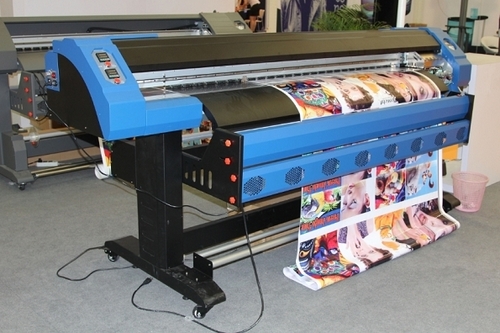
Applications and Use Cases for Eco-Friendly Label Inks
Eco solvent inks are used across a wide spectrum of industries. Their ability to produce durable, eye-catching labels makes them suitable for:
- Product Packaging: Food, beverage, cosmetics, and household goods often use labels printed with these inks for both branding and regulatory information.
- Industrial Labels: Durable labels for machinery, tools, and equipment benefit from the scratch and chemical resistance of eco solvent prints.
- Outdoor Labels: Weatherproof labels for garden products, automotive parts, and outdoor gear rely on the UV and water resistance of these inks.
- Retail and Promotional: Shelf talkers, window stickers, and promotional labels are enhanced by the vivid color output.
For those interested in the broader industrial scope, the eco solvent ink industrial applications guide provides more detailed examples.
Printer Compatibility and Workflow Considerations
Most modern wide-format and label printers designed for solvent-based inks can accommodate eco solvent formulations with minimal adjustments. However, it’s important to check manufacturer recommendations regarding ink compatibility and printhead maintenance.
Regular cleaning and calibration are essential for maintaining print quality and extending equipment life. For technical tips, see the eco solvent ink print calibration resource.

Tips for Achieving the Best Results with Eco Solvent Inks
- Choose Compatible Media: Always select label materials recommended for eco solvent printing to ensure optimal adhesion and color vibrancy.
- Monitor Environmental Conditions: Maintain stable temperature and humidity in the print area to prevent ink drying issues.
- Allow Proper Curing Time: Although eco solvent prints are fast-drying, allowing adequate curing before handling or finishing improves durability.
- Consider Lamination: For applications requiring extra protection, lamination can further enhance resistance to abrasion and chemicals. For more, see the does eco solvent ink need lamination guide.
- Regular Maintenance: Clean printheads and perform routine checks to avoid clogs and maintain consistent output.
Frequently Asked Questions
Are eco solvent inks safe for food packaging labels?
While eco solvent inks are less toxic than traditional solvent inks, they are not typically certified for direct food contact. For food packaging labels, it’s important to use materials and inks that meet relevant food safety standards. Always consult your ink supplier for compliance information.
Can eco solvent inks be used on fabric or textile labels?
These inks are primarily designed for non-porous surfaces like vinyl and films. For fabric applications, specialized inks may be required. Learn more about this topic in the can eco solvent ink print on fabric article.
How long do eco solvent printed labels last outdoors?
Labels produced with eco solvent inks can last several years outdoors, depending on exposure to sunlight, moisture, and abrasion. Their resistance to fading and weathering makes them suitable for many demanding environments, especially when paired with proper substrates and optional lamination.