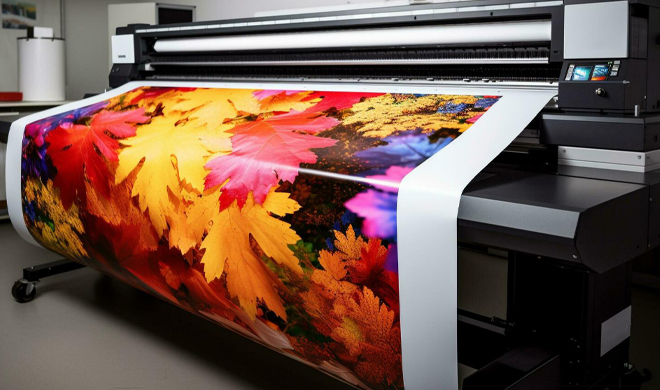

When choosing between eco solvent ink vs UV printing for your business or creative projects, understanding the differences is crucial. Both technologies offer unique benefits and are suited for various applications in signage, graphics, and product decoration. This guide explores how these two printing methods compare in terms of print quality, environmental impact, material compatibility, cost, and more, helping you make an informed decision.
Whether you are a print shop owner, a designer, or simply curious about the latest trends in digital printing, knowing the strengths and limitations of each method can save time and money. For those who already use eco solvent printers and face technical issues, resources like the eco solvent ink clogging solutions guide can help maintain optimal performance.
Understanding Eco Solvent Ink Technology
Eco solvent printing uses inks made with mild, biodegradable solvents. These inks are less harmful to the environment and emit fewer volatile organic compounds (VOCs) compared to traditional solvent inks. Eco solvent printers are widely used for outdoor and indoor signage, vehicle wraps, banners, and wall graphics.
- Print Quality: Produces vibrant colors and smooth gradients, especially on vinyl and coated media.
- Durability: Prints are water-resistant and UV-resistant, making them suitable for long-term outdoor use.
- Material Compatibility: Works best on flexible, coated substrates like PVC, banners, and some fabrics.
- Drying Time: Requires some time for the ink to cure, especially in humid conditions.
- Environmental Impact: Lower VOC emissions and less odor, making it safer for indoor environments.
For those interested in the sustainability benefits, the eco solvent ink green printing article provides more details on eco-friendly practices in the printing industry.
How UV Printing Works
UV printing is a digital process that uses ultraviolet light to instantly cure specially formulated inks. This technology allows for printing on a wide range of rigid and flexible materials, including glass, metal, wood, acrylic, and plastics.
- Print Quality: Delivers sharp, high-resolution images with excellent color accuracy and detail.
- Instant Curing: UV lamps cure the ink as soon as it is deposited, resulting in dry prints immediately after printing.
- Material Versatility: Can print on almost any substrate, including non-porous and heat-sensitive materials.
- Special Effects: Enables textured finishes, spot gloss, and raised effects for creative applications.
- Environmental Considerations: UV inks are free from solvents, but the curing process consumes more energy.
Comparing Print Quality and Application
The choice between eco solvent ink vs UV printing often comes down to the specific requirements of your project. Eco solvent printers excel at producing durable, weather-resistant graphics for outdoor use, while UV printers offer unmatched versatility for printing on unconventional surfaces and delivering special effects.
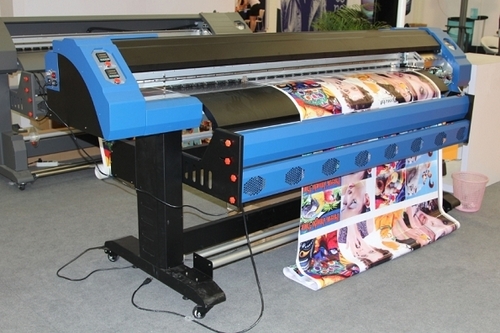
For example, if you need to print vibrant banners or vehicle wraps that will be exposed to the elements, eco solvent technology is a reliable choice. On the other hand, if your business involves customizing promotional items, packaging, or signage on rigid materials, UV printing offers greater flexibility.
Environmental Impact and Safety
Sustainability is a growing concern in the printing industry. Eco solvent inks are designed to be less toxic and more environmentally friendly, with lower emissions and reduced odor. This makes them suitable for indoor environments and workplaces with strict air quality standards.
UV printing, while solvent-free, relies on energy-intensive curing lamps. However, it eliminates the need for drying time and reduces the risk of ink smudging. Both technologies have made significant strides in reducing their environmental footprint, but eco solvent remains the preferred option for those prioritizing green printing.
For further insights into the advantages of eco solvent printers, see the seven major benefits of eco solvent printers article, which covers topics like cost savings, print durability, and workplace safety.
Cost Considerations and Maintenance
When evaluating eco solvent ink vs UV printing from a cost perspective, several factors come into play:
- Initial Investment: UV printers generally have a higher upfront cost due to advanced technology and broader material compatibility.
- Operating Costs: Eco solvent inks are typically less expensive, but require regular maintenance to prevent clogging and ensure printhead longevity.
- Maintenance: Both systems need routine cleaning, but eco solvent printers may be more prone to issues like banding or ink smudging. For troubleshooting, refer to resources such as the eco solvent ink banding problem and eco solvent ink smudging problem guides.
- Consumables: UV inks cost more per liter, but the ability to print on a wider range of materials can offset this expense in certain applications.
Material Compatibility and Versatility
One of the main differences between these two printing methods is the range of materials they can handle. Eco solvent printers are optimized for flexible, coated media, making them ideal for banners, vehicle graphics, and wall murals. UV printers, by contrast, can print directly onto rigid substrates like glass, wood, metal, and acrylic, as well as flexible materials.

This versatility makes UV printing a popular choice for short-run packaging, promotional items, and architectural signage. However, for high-volume outdoor graphics, eco solvent remains a cost-effective and durable solution.
Common Problems and Troubleshooting
No printing technology is without challenges. Eco solvent printers can sometimes experience issues like ink clogging, cracking, or banding. Addressing these problems quickly ensures consistent print quality and extends the life of your equipment. For practical solutions, check out the eco solvent ink cracking guide for step-by-step fixes.
UV printers, while less prone to ink drying in the printhead, may require more frequent lamp replacements and careful handling of sensitive substrates. Regular maintenance and following manufacturer guidelines are key to minimizing downtime.
Choosing the Right Printing Solution
Deciding between these two printing methods depends on your specific needs. If your primary focus is outdoor signage, vehicle wraps, or banners, eco solvent technology offers proven durability and cost efficiency. For businesses that require printing on a variety of rigid and flexible materials, or want to offer creative finishes, UV printing provides unmatched flexibility.
Consider factors such as print volume, substrate types, environmental priorities, and budget when making your decision. Both technologies continue to evolve, offering new features and improved sustainability.
Frequently Asked Questions
What are the main differences between eco solvent and UV printing?
The primary differences are in ink composition, curing process, and material compatibility. Eco solvent uses mild solvents and is ideal for flexible, coated media, while UV printing uses ultraviolet light to instantly cure inks on a wide range of rigid and flexible substrates.
Is eco solvent printing more environmentally friendly than UV?
Eco solvent inks emit fewer VOCs and have less odor, making them safer for indoor use and better for the environment. However, UV printing is solvent-free but requires more energy for curing. Both have eco-friendly advantages depending on the application.
Which printing method is better for outdoor applications?
Eco solvent printing is generally preferred for outdoor graphics due to its durability, weather resistance, and cost-effectiveness. UV printing can also be used outdoors, especially for rigid signage, but may not be as economical for large-format outdoor banners.