


As sustainability becomes a top priority in the print industry, many professionals and businesses are asking about the environmental impact of latex-based printing. The question of recycling latex prints is especially relevant for those seeking eco-friendly solutions without compromising on print quality or durability. This article explores the recyclability of latex-printed materials, the factors that influence their environmental footprint, and best practices for responsible disposal and recycling.
Understanding the full lifecycle of latex prints is essential for brands, print shops, and designers who want to make informed choices. We’ll look at how latex inks differ from other ink technologies, what makes a print recyclable, and how to maximize sustainability in your print projects. For those interested in related innovations, you may also want to learn about what is digital prototyping for packaging and how it speeds up production with less waste.
Understanding Latex Printing and Its Environmental Impact
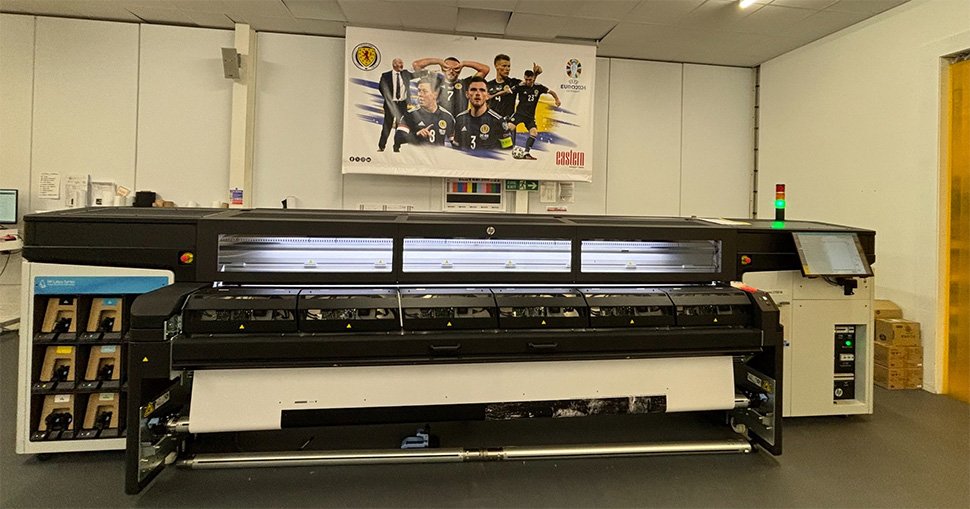
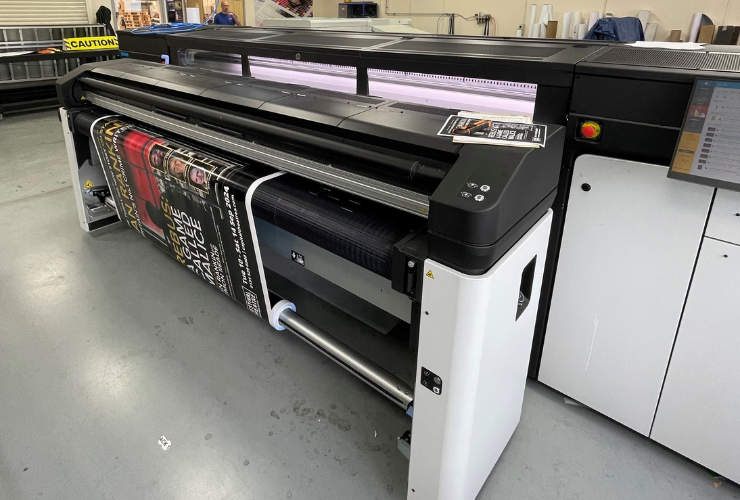
Latex printing uses water-based inks that contain latex polymers, which are cured using heat to create durable, flexible images on a variety of substrates. Unlike solvent-based inks, latex inks emit low levels of volatile organic compounds (VOCs), making them a safer choice for both operators and the environment. This technology has gained popularity for applications such as banners, vehicle wraps, wall coverings, and outdoor signage.
The sustainability of latex prints depends on more than just the ink. The type of substrate, the presence of coatings or laminates, and post-print processing all play a role in determining whether a print can be recycled. Manufacturers like HP have invested heavily in developing advanced latex printing technology that aims to minimize environmental impact throughout the print lifecycle.
Are Latex-Printed Materials Recyclable?
The recyclability of latex prints is influenced by the combination of ink and substrate. Water-based latex inks are generally considered more eco-friendly than solvent or UV-curable inks because they do not introduce hazardous substances to the substrate. However, whether a latex print can be recycled depends largely on the material it is printed on:
- PVC Banners and Vinyl: Most wide-format latex prints are produced on PVC-based materials, which are technically recyclable but often not accepted by standard municipal recycling programs due to additives and ink residues.
- Paper-Based Substrates: Latex prints on uncoated or lightly coated paper can usually be recycled in standard paper streams, provided they are free from plastic laminates or heavy adhesives.
- Textiles and Fabrics: Many polyester-based fabrics used in soft signage can be recycled, especially if the ink does not interfere with the recycling process.
It’s important to check with local recycling facilities to confirm whether they accept latex-printed materials. In some cases, specialized recycling programs or take-back schemes offered by manufacturers may be necessary.
Best Practices for Recycling Latex Prints
To improve the chances of successful recycling, consider the following strategies when working with latex-printed graphics:
- Choose Recyclable Substrates: Opt for materials that are widely accepted in recycling streams, such as uncoated paper, polypropylene, or polyester fabrics. Avoid PVC where possible.
- Minimize Laminates and Adhesives: Laminates and strong adhesives can hinder recycling. If protection is needed, look for recyclable or biodegradable options.
- Consult with Suppliers: Ask your substrate and ink suppliers about the recyclability of their products and whether they participate in take-back or recycling programs.
- Educate End Users: Provide clear instructions to customers or end users about how to dispose of or recycle latex-printed materials responsibly.
By following these best practices, print providers and brands can help reduce landfill waste and support circular economy initiatives.
Comparing Latex Printing with Other Technologies
When considering environmental impact, it’s helpful to compare latex printing with other common large-format printing technologies:
| Technology | Ink Type | VOC Emissions | Recyclability |
|---|---|---|---|
| Latex | Water-based latex | Low | Good (depends on substrate) |
| Solvent | Solvent-based | High | Limited (ink residues may hinder recycling) |
| UV-curable | UV-cured | Moderate | Variable (some inks form a plastic-like layer) |
Latex printing stands out for its lower emissions and better compatibility with recycling processes, especially when paired with suitable substrates.
How Brands and Print Shops Can Improve Sustainability
For organizations committed to reducing their environmental impact, adopting sustainable printing practices goes beyond just material selection. Here are some actionable steps:
- Source Certified Materials: Look for substrates with certifications such as FSC (Forest Stewardship Council) or those labeled as recyclable.
- Implement Waste Reduction Programs: Collect offcuts and unused prints for recycling or reuse.
- Educate Staff and Clients: Share information about the recyclability of latex prints and encourage responsible disposal.
- Stay Informed About Innovations: Keep up with new developments in ink and substrate technology, such as biodegradable films or improved recycling processes. For more on related advancements, see the benefits of cloud-based color management for global brands.
By making informed choices and collaborating with suppliers and customers, print businesses can play a significant role in promoting a more sustainable industry.
Frequently Asked Questions
What types of latex-printed materials are easiest to recycle?
The easiest latex-printed items to recycle are those produced on uncoated or lightly coated paper, as these can typically be processed through standard paper recycling streams. Polyester textiles and certain polypropylene films may also be recyclable, provided they are free from heavy adhesives or laminates.
Do latex inks affect the recyclability of prints?
Latex inks are water-based and contain fewer hazardous chemicals than solvent or UV inks. They generally do not prevent recycling, especially when used on compatible substrates. However, the overall recyclability still depends on the substrate and any additional coatings.
Are there take-back programs for latex-printed graphics?
Some manufacturers and suppliers offer take-back or recycling programs for used prints, especially for large-scale campaigns or events. It’s worth checking with your supplier or print service provider to see if such programs are available in your area.
How can I tell if my local recycling facility accepts latex-printed materials?
Contact your local recycling center and provide details about the substrate and ink used. Many facilities have guidelines on what types of printed materials they accept, and some may require prints to be separated from non-recyclable components.
Conclusion
The topic of recycling latex prints is increasingly important as the print industry moves toward more sustainable practices. While latex inks offer clear environmental advantages over traditional solvent and UV inks, the recyclability of a print ultimately depends on the substrate and how the product is finished. By choosing recyclable materials, minimizing non-recyclable coatings, and working with responsible suppliers, brands and print shops can significantly reduce their environmental footprint. Staying informed and proactive helps ensure that print projects meet both performance and sustainability goals.




