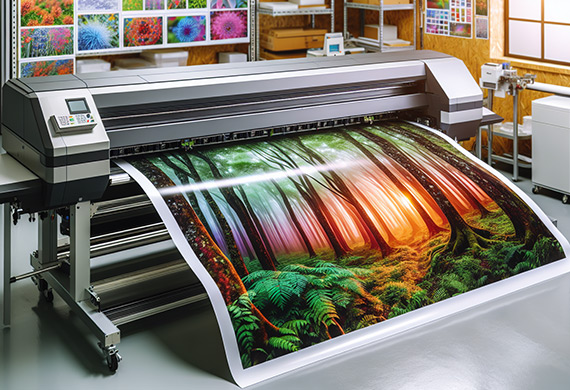

Choosing the right ink technology is a crucial decision for print businesses, sign makers, and anyone involved in large-format printing. Two of the most popular options—eco solvent ink and latex ink—each offer unique advantages and trade-offs. Understanding the differences between these two ink types can help you make an informed decision based on your specific needs, budget, and environmental considerations.
In this guide, we’ll break down the key characteristics, applications, and pros and cons of both ink technologies. We’ll also discuss maintenance, print quality, durability, and cost factors, so you can determine which solution aligns best with your workflow. If you’re looking for tips on keeping your latex printer in top condition, check out our how to avoid ink clogging resource for practical advice.
Understanding Eco Solvent Ink Technology
Eco solvent inks are formulated with mild, biodegradable solvents that emit fewer volatile organic compounds (VOCs) than traditional solvent inks. This makes them a more environmentally friendly choice for indoor and outdoor graphics. These inks are compatible with a wide range of uncoated and coated media, including vinyl, banners, and certain types of paper.
The main appeal of eco solvent inks lies in their balance between print quality, durability, and reduced environmental impact. They are especially popular for producing vehicle wraps, outdoor signage, and long-lasting decals.
Exploring Latex Ink Printing
Latex inks use water-based formulations combined with latex polymers. This technology is known for its low odor, fast drying times, and the ability to print on a wide variety of substrates without the need for special ventilation. Latex inks are often chosen for applications where environmental safety and indoor air quality are priorities, such as wall coverings, retail displays, and indoor signage.
One of the standout features of latex printing is its versatility. These inks adhere well to both porous and non-porous materials, making them suitable for everything from textiles to backlit films.
Comparing Print Quality and Durability
When evaluating eco solvent ink vs latex ink in terms of print quality, both technologies deliver vibrant colors and sharp details. However, there are some distinctions worth noting:
- Eco solvent inks tend to produce slightly glossier finishes and deeper blacks, which can be advantageous for high-impact graphics and outdoor signage.
- Latex inks offer excellent color consistency and a more matte appearance, making them ideal for indoor graphics where glare reduction is important.
In terms of durability, eco solvent prints are highly resistant to UV exposure, water, and abrasion, often lasting up to five years outdoors without lamination. Latex prints are also durable, but may require lamination for maximum longevity in harsh outdoor environments.
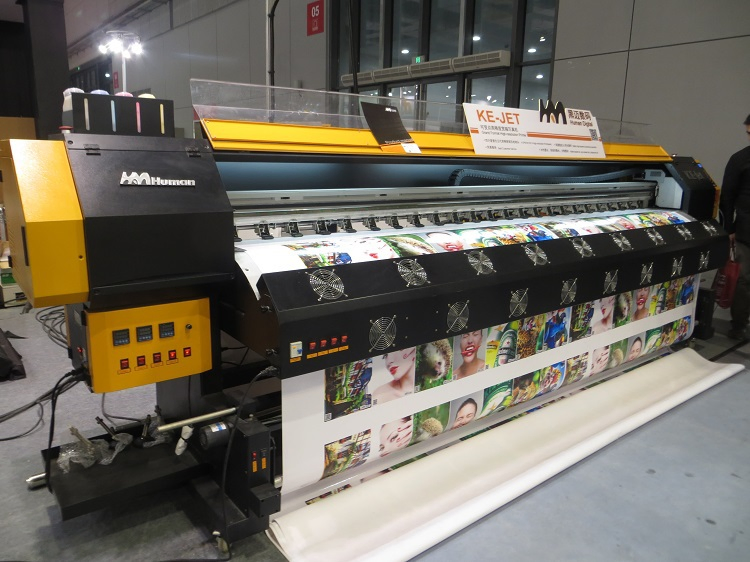
Environmental Impact and Health Considerations
Environmental responsibility is a growing concern in the print industry. Both ink types are designed to minimize their ecological footprint, but there are key differences:
- Eco solvent inks emit low levels of VOCs compared to traditional solvents, but still require some ventilation during printing.
- Latex inks are water-based, virtually odorless, and contain minimal hazardous air pollutants, making them safer for operators and suitable for sensitive indoor environments.
For businesses aiming to meet strict environmental certifications or work in enclosed spaces, latex technology may offer an edge. For more on maintaining latex printers, see our guide on printhead care for latex printers.
Maintenance and Printer Care
Printer upkeep is an important factor when choosing between these ink types. Eco solvent printers require regular cleaning to prevent ink buildup and nozzle clogging, especially if the printer is not used daily. Latex printers, on the other hand, are designed with automated maintenance routines that reduce manual intervention.
However, latex systems can have more complex printheads and may require periodic replacement. For a deeper understanding of maintenance cycles, refer to our article on cleaning cycles in latex printing.
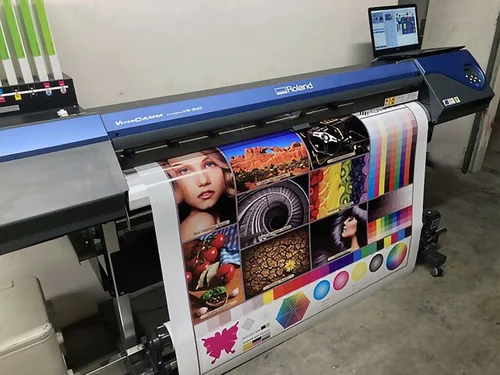
Cost Considerations and Productivity
Budget is a significant factor in any printing operation. Eco solvent printers and inks are generally more affordable upfront and have lower running costs. This makes them attractive for businesses focused on outdoor graphics or those with high-volume production needs.
Latex printers tend to have a higher initial investment, but they offer benefits such as faster drying times and immediate handling of prints. This can improve turnaround times and reduce the need for additional finishing equipment. Additionally, latex prints are ready for lamination or installation right off the printer, which can streamline workflows.
Applications and Media Compatibility
Both ink types support a wide range of media, but there are some distinctions:
- Eco solvent inks excel on vinyl, banners, adhesive films, and some coated papers. They are preferred for vehicle wraps, outdoor signs, and decals.
- Latex inks are highly versatile, working well on textiles, wallpapers, canvas, backlit films, and even some uncoated papers. They are ideal for indoor décor, retail displays, and environments where odor and safety are concerns.
For those looking to maximize printer longevity, our article on how to extend printer life in latex systems offers practical tips.
Expert Insights and Industry Trends
The print industry continues to evolve, with manufacturers developing new formulations and printer technologies. Eco solvent inks remain popular for their balance of quality and cost, while latex inks are gaining ground in markets where sustainability and indoor air quality matter most.
For a deeper dive into the science and benefits of eco solvent technology, see this comprehensive overview of eco solvent ink from industry experts.
FAQs About Choosing Between Eco Solvent and Latex Inks
Which ink type is more environmentally friendly?
Latex inks are generally considered more eco-friendly due to their water-based composition, low VOC emissions, and minimal odor. Eco solvent inks are also a greener alternative to traditional solvents but still require some ventilation.
Can I use the same media for both ink technologies?
Many media types are compatible with both eco solvent and latex inks, but always check with the manufacturer for specific recommendations. Latex inks offer broader compatibility, especially with textiles and uncoated materials.
What about printhead maintenance and longevity?
Eco solvent printers require regular manual cleaning to prevent clogs, while latex printers often have automated maintenance routines. However, latex printheads may need periodic replacement, which can add to long-term costs.
How do I ensure the best print quality and durability?
Both ink types can deliver excellent results when used with the right media and printer settings. For outdoor durability, eco solvent prints often last longer without lamination, while latex prints may benefit from additional protection in harsh environments.
Conclusion: Making the Right Choice for Your Business
Deciding between eco solvent ink and latex ink depends on your application, budget, and environmental priorities. Eco solvent technology is a solid choice for outdoor graphics and cost-sensitive projects, while latex ink stands out for indoor applications, safety, and sustainability. Evaluate your typical print jobs, workspace requirements, and long-term goals to select the best solution for your needs.
For more technical tips, see our guide on nozzle check for latex printers to keep your equipment running smoothly.