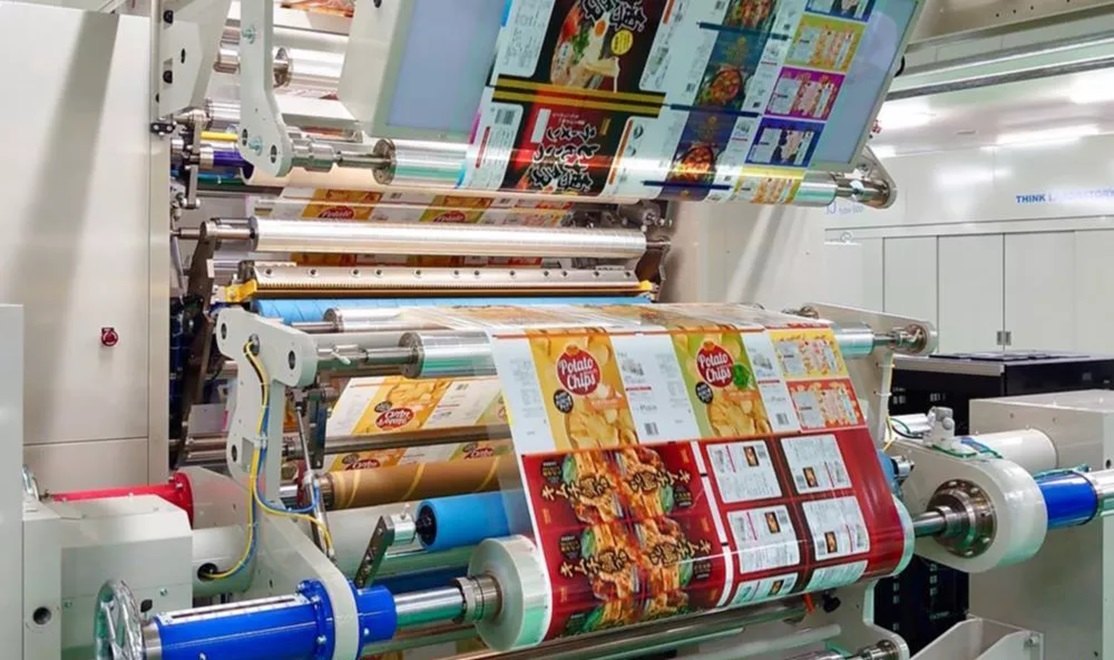

Energy costs are a significant concern for printing businesses, from large-scale packaging plants to small print shops. Rising utility bills, environmental regulations, and customer demand for sustainable practices all make it essential to find ways to cut down on electricity and resource use. Understanding how to reduce energy consumption in printing plants not only helps manage expenses but also supports a greener, more responsible operation.
This guide covers practical strategies for minimizing energy waste, optimizing equipment, and adopting efficient workflows. Whether you manage a commercial press or a boutique print shop, you’ll find actionable steps to lower your carbon footprint and improve your bottom line.
For those interested in sustainable sourcing, our guide to eco-certified paper sources for printing offers insights into paper choices that complement energy-saving initiatives.
Key Areas to Target for Lower Energy Use
Reducing power consumption in print production requires a holistic approach. Start by identifying the biggest energy drains in your facility. These typically include:
- Printing presses and finishing equipment
- Lighting systems
- Heating, ventilation, and air conditioning (HVAC)
- Compressed air systems
- Prepress and computer workstations
By focusing on these areas, you can achieve substantial savings and create a more efficient workflow.
Optimizing Printing Equipment for Efficiency
Presses, dryers, and finishing machines are often the largest consumers of electricity in a print shop. Here are some proven methods to make them more energy-efficient:
- Upgrade to modern, energy-efficient presses that use variable speed drives and advanced controls. Newer models often consume less power per print job.
- Schedule regular maintenance to keep motors, bearings, and rollers running smoothly. Well-maintained equipment uses less energy and lasts longer.
- Shut down idle machines instead of leaving them in standby mode. Even when not printing, many devices draw significant power.
- Use high-yield ink cartridges and toners to reduce waste and the frequency of replacements.

Lighting and Climate Control: Simple Changes, Big Impact
Lighting and HVAC systems are often overlooked sources of energy waste. Implementing a few straightforward changes can make a noticeable difference:
- Switch to LED lighting, which uses up to 80% less electricity than traditional bulbs and lasts much longer.
- Install motion sensors or timers in low-traffic areas to ensure lights are only on when needed.
- Maintain HVAC systems and clean filters regularly. A well-maintained system heats and cools more efficiently.
- Set thermostats to reasonable levels and consider programmable controls to avoid unnecessary heating or cooling during off-hours.
Workflow Adjustments for Sustainable Printing
Beyond equipment upgrades, workflow improvements can further reduce your shop’s energy footprint. Consider these best practices:
- Batch print jobs to minimize warm-up and cool-down cycles for presses and dryers.
- Use digital proofing and prototyping to cut down on test prints and setup waste. Learn more about what is digital prototyping for packaging to streamline your process.
- Train staff on energy-saving protocols, such as shutting down computers and peripherals at the end of each shift.
- Monitor energy use with smart meters or software to identify spikes and areas for improvement.

Material Choices and Waste Reduction
Choosing the right substrates and consumables can also contribute to a more energy-efficient print operation. Here’s how:
- Opt for recycled or eco-certified paper stocks, which often require less energy to produce.
- Use inks and coatings with lower curing temperatures or that are compatible with energy-saving UV LED curing systems.
- Implement a robust recycling program for paper, plastics, and used cartridges to minimize landfill waste.
- Track material usage and set reduction targets to encourage efficient ordering and inventory management.
Leveraging Technology for Smarter Energy Management
Modern technology offers powerful tools for tracking and controlling energy use in print environments:
- Install energy management systems that provide real-time data and analytics on power consumption.
- Automate equipment shutdowns during periods of inactivity.
- Use cloud-based color management solutions to optimize print runs and reduce unnecessary reprints. For more, see our article on the benefits of cloud-based color management.
Staying updated on industry trends can also help. According to market research on digital print for packaging, digital technologies are driving efficiency and sustainability in packaging production worldwide.
Staff Engagement and Ongoing Improvement
Lasting energy savings depend on company culture. Engage your team in sustainability efforts by:
- Providing regular training on energy-efficient practices and equipment use.
- Setting clear goals and tracking progress toward energy reduction targets.
- Encouraging staff to suggest new ideas for saving power and reducing waste.
- Recognizing and rewarding contributions to sustainability initiatives.
Continuous improvement ensures that your print operation remains competitive and environmentally responsible.
Frequently Asked Questions
What are the most effective ways to cut electricity costs in a print shop?
The biggest savings usually come from upgrading to energy-efficient equipment, switching to LED lighting, maintaining HVAC systems, and training staff to power down machines when not in use. Monitoring energy use helps identify further opportunities for reduction.
How can digital workflows help reduce energy use?
Digital proofing and prototyping minimize the need for physical test prints, reducing both material and energy waste. Automated scheduling and cloud-based management tools also streamline production, cutting down on unnecessary machine run time.
Are there eco-friendly materials that also save energy?
Yes, recycled and eco-certified papers often require less energy to manufacture. Inks designed for low-temperature curing or compatible with UV LED systems can further reduce the energy needed during printing and finishing.
How do I motivate my team to participate in energy-saving efforts?
Regular training, clear communication of goals, and recognition of staff contributions all help build a culture of sustainability. Involving employees in decision-making and inviting suggestions can also boost engagement.