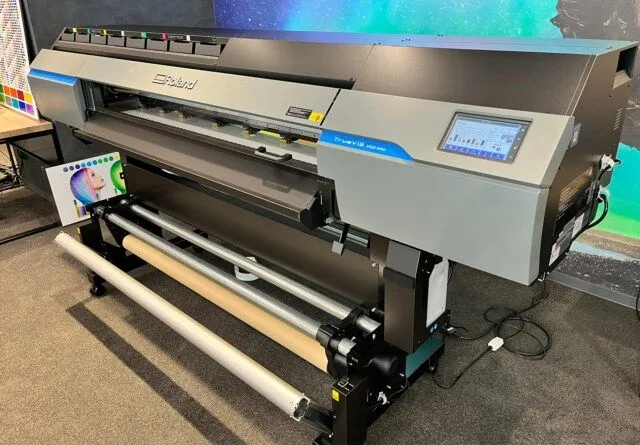

For entrepreneurs and shop owners looking to expand their product offerings, eco solvent printing for small business is an attractive technology. It enables high-quality, durable prints on a wide range of materials while keeping environmental impact and operating costs in check. Whether you’re considering adding banners, decals, or custom signage to your services, understanding how eco solvent printing works and what it takes to get started is essential for making informed decisions.
This article covers the fundamentals of eco solvent printing, its benefits for small operations, and what to consider before investing in equipment. You’ll also find practical advice on setup, ink choices, and how to maximize profitability. If you want a deeper dive into the financial side, the eco solvent printing profit margins guide offers detailed insights.
What Is Eco Solvent Printing?
Eco solvent printing uses specially formulated inks that are less toxic and more environmentally friendly than traditional solvent inks. These inks are made with mild, biodegradable solvents, which reduce harmful emissions and odors. The process is ideal for producing outdoor and indoor graphics, such as vehicle wraps, window decals, wall graphics, and promotional banners.
Unlike water-based inkjet printers, eco solvent machines can print on a wide variety of uncoated media, including vinyl, canvas, and certain fabrics. The resulting prints are not only vibrant but also resistant to fading, scratching, and water—making them suitable for long-term use.
Why Choose Eco Solvent Printing for Your Small Business?
Adopting eco solvent printing for small business operations offers several advantages:
- Versatility: Print on many substrates, from adhesive vinyl to banners and specialty films.
- Durability: Eco solvent prints withstand weather, UV exposure, and handling, reducing the need for lamination.
- Lower Environmental Impact: The inks emit fewer volatile organic compounds (VOCs), making your workspace safer and more compliant with local regulations.
- Cost-Effectiveness: While the initial investment is higher than desktop inkjets, ongoing ink and maintenance costs are manageable, especially for growing businesses.
- Professional Results: The print quality rivals that of more expensive large-format systems, making it easier to attract and retain clients.
Key Equipment and Setup Considerations
Before purchasing a printer, it’s important to evaluate your business needs and available space. Here are some factors to consider:
- Printer Size: Entry-level eco solvent printers start at 24 inches wide, while larger models can handle media up to 64 inches. Choose a size that matches your typical job requirements and workspace.
- Media Handling: Look for machines with reliable feed mechanisms and take-up reels if you plan to print long banners or rolls.
- Ink System: Some printers use bulk ink systems, which can lower ink costs and reduce downtime. Make sure the ink is compatible with your chosen substrates.
- Ventilation: Although eco solvent inks are less hazardous, good ventilation is still recommended for any print shop environment.
- Maintenance: Regular cleaning and proper storage of inks are essential for consistent print quality and equipment longevity.
Understanding Ink Choices and Color Management
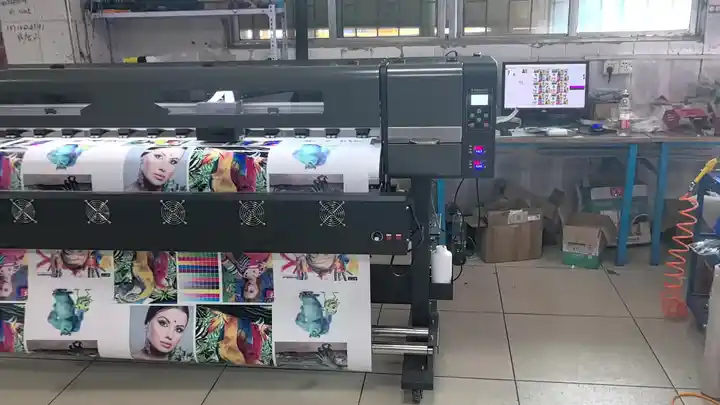
The choice of ink is crucial for achieving the best results. Eco solvent inks come in various formulations, each designed for specific printheads and media. Always use manufacturer-recommended inks to avoid clogging and color inconsistencies. For those looking to optimize color accuracy, setting up eco solvent ink icc profiles is highly recommended.
Proper color management ensures that your prints match client expectations and maintain consistency across different jobs. Many printers include software for color calibration, but third-party solutions are also available for advanced needs.
Managing Costs and Pricing for Profitability
Keeping expenses under control is vital for any small business. The main costs associated with eco solvent printing include equipment, inks, media, and maintenance. To set competitive prices, factor in all these elements, as well as labor and overhead.
For a detailed breakdown of expenses, the eco solvent printing startup cost resource provides a clear overview. Additionally, understanding eco solvent ink cost is key to accurate job quoting and long-term planning.
Tips for Maximizing Efficiency and Print Speed
To get the most from your investment, focus on workflow efficiency. Here are some practical suggestions:
- Batch similar jobs together to minimize setup time and ink changes.
- Keep your printer’s firmware and software updated for the latest features and bug fixes.
- Regularly clean printheads and perform nozzle checks to prevent downtime.
- Refer to eco solvent ink print speed tips for optimizing throughput without sacrificing quality.
Common Applications and Business Opportunities
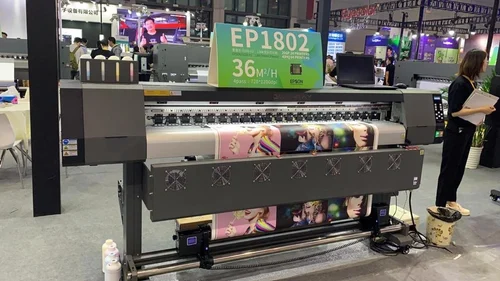
Small businesses can leverage eco solvent technology to offer a wide range of products:
- Outdoor and indoor banners
- Custom vehicle wraps and decals
- Window graphics and wall murals
- Labels and stickers for branding or packaging
- Promotional signage for events or retail spaces
Expanding your service portfolio with these offerings can help attract new customers and increase revenue streams.
Eco Solvent Printing: Environmental and Safety Considerations
One of the main selling points of eco solvent technology is its reduced environmental impact. The inks are formulated to emit fewer harmful chemicals, making them safer for both operators and the environment. However, proper disposal of waste ink and used cartridges is still necessary. Always follow local regulations for hazardous materials.
For more technical details about eco solvent ink composition and safety, see this comprehensive explanation of eco solvent ink and printers.
Frequently Asked Questions
What types of materials can be printed with eco solvent printers?
Eco solvent printers are compatible with a broad range of materials, including adhesive vinyl, banners, canvas, photo paper, and certain textiles. This versatility allows small businesses to offer diverse products such as decals, signage, and promotional graphics.
How long do eco solvent prints last outdoors?
Prints made with eco solvent inks are highly durable and can last 3–5 years outdoors without significant fading, depending on exposure to sunlight and weather conditions. Using high-quality media and proper color management can further extend print longevity.
Are eco solvent inks safe to use indoors?
Yes, eco solvent inks emit fewer VOCs than traditional solvent inks, making them safer for indoor use. However, it’s still advisable to maintain good ventilation in your workspace and follow all manufacturer safety guidelines.