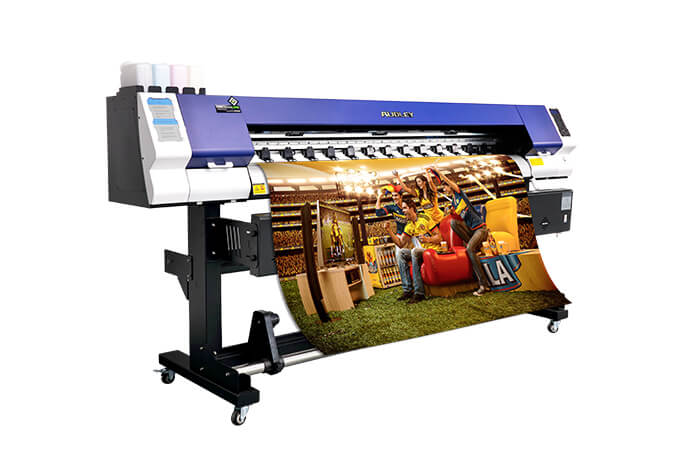

For professionals and enthusiasts seeking vibrant, long-lasting photographic prints, eco solvent ink for photo printing offers a compelling balance of quality, durability, and environmental responsibility. As digital printing technology advances, understanding the nuances of these inks and how they impact image results is essential for anyone aiming to produce gallery-worthy photos, signage, or display graphics.
This article explores the characteristics of eco solvent inks, their advantages in photographic reproduction, and practical tips for achieving the best results. Whether you’re upgrading your print shop or considering a new printer for creative projects, you’ll find actionable insights here. For those interested in greener alternatives, you may also want to review our guide to solvent-free printing processes for a broader perspective on sustainable print technologies.
What Sets Eco Solvent Inks Apart in Photo Printing?
Eco solvent inks are formulated with mild, biodegradable solvents that emit fewer volatile organic compounds (VOCs) compared to traditional solvent inks. This makes them more environmentally friendly and safer for indoor use. When it comes to photo printing with eco solvent ink, the benefits extend beyond sustainability:
- Vivid Color Reproduction: These inks deliver rich, saturated colors, making them ideal for photographic images where color accuracy is critical.
- Fine Detail and Smooth Gradients: The ink’s formulation allows for precise droplet placement, resulting in sharp details and smooth tonal transitions.
- Durability: Prints produced with eco solvent ink are resistant to water, UV light, and scratching, which is essential for both indoor displays and outdoor signage.
- Versatility: Suitable for a wide range of media, including photo paper, canvas, vinyl, and specialty substrates.
These qualities make eco solvent ink a popular choice for photographers, print shops, and businesses that demand both quality and longevity in their printed images.
Comparing Eco Solvent Ink to Other Photo Printing Technologies
When evaluating eco solvent ink for photo printing against other ink types, it’s important to consider how each technology impacts image quality, cost, and application:
| Ink Type | Color Gamut | Durability | Environmental Impact | Best Uses |
|---|---|---|---|---|
| Eco Solvent | Wide | High (UV, water, scratch resistant) | Lower VOCs, biodegradable solvents | Photo prints, signage, banners |
| Aqueous (Dye/Pigment) | Very Wide | Moderate (less outdoor durability) | Low VOCs, water-based | Fine art, indoor photography |
| Traditional Solvent | Wide | Very High | High VOCs, more hazardous | Outdoor signage, vehicle wraps |
| UV-Curable | Moderate | Excellent | Low VOCs, instant curing | Rigid substrates, specialty graphics |
While aqueous inks may offer a slightly wider color gamut for fine art, eco solvent inks provide a strong balance of color vibrancy and outdoor durability, making them a preferred option for photographic prints that need to last.
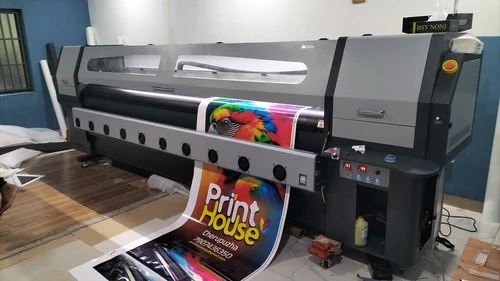
How to Optimize Print Quality with Eco Solvent Inks
Getting the most out of eco solvent ink for photo printing involves more than just loading cartridges. Consider these steps to maximize image quality and consistency:
- Choose Compatible Media: Select photo papers or specialty substrates designed for eco solvent printers. The right media enhances ink absorption and color vibrancy.
- Calibrate Your Printer: Regularly calibrate your device and use ICC profiles tailored to your ink and media combination for accurate color reproduction.
- Monitor Environmental Conditions: Maintain stable temperature and humidity in your print environment to prevent color shifts and ensure smooth ink flow.
- Perform Routine Maintenance: Clean print heads and run nozzle checks to avoid banding or color inconsistencies. For more details on keeping your equipment in top shape, see this eco solvent printer daily maintenance guide.
- Allow Proper Drying: Let prints cure fully before handling or finishing, especially if they will be laminated or displayed outdoors.
Attention to these details ensures that every print meets professional standards and stands the test of time.
Applications and Creative Uses for Eco Solvent Photo Prints
Photographic prints made with eco solvent inks are not limited to traditional photo paper. Their durability and color stability open up a range of creative and commercial possibilities:
- Gallery Prints: Produce high-impact images on canvas or fine art paper for exhibitions and sales.
- Outdoor Displays: Create weather-resistant posters, banners, and billboards that maintain color fidelity over time.
- Custom Decor: Print wall murals, window graphics, or personalized gifts that require both beauty and resilience.
- Retail and Event Graphics: Deliver eye-catching visuals for point-of-sale, trade shows, and promotional displays.
For those working with specialty packaging or unique substrates, you might also find value in exploring what is sublimation printing for specialty packaging as a complementary technology.
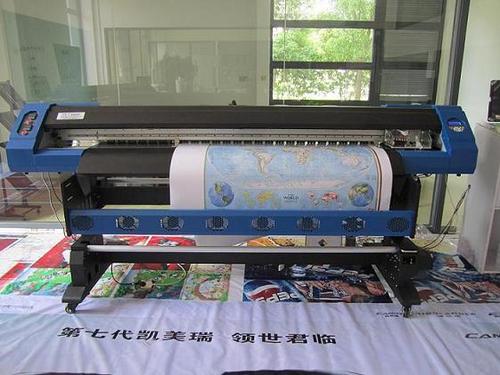
Maintenance and Longevity Tips for Eco Solvent Photo Prints
To ensure your photographic prints retain their brilliance and integrity, follow these best practices:
- Store Properly: Keep unframed prints in a cool, dry place away from direct sunlight.
- Use Protective Coatings: Consider laminating or applying a clear protective spray to enhance scratch and UV resistance for high-traffic or outdoor applications.
- Handle with Care: Always use clean, dry hands or gloves when touching prints to avoid smudges or fingerprints.
- Regular Equipment Care: Maintain your printer according to manufacturer guidelines to prevent clogging and ensure consistent output.
With proper care, photo prints made with eco solvent inks can remain vibrant and detailed for years, making them suitable for both commercial and personal projects.
Frequently Asked Questions
Are eco solvent inks safe for indoor photo displays?
Yes, eco solvent inks are designed with reduced VOC emissions, making them much safer for indoor environments than traditional solvent inks. They are commonly used for indoor signage, wall art, and photographic displays.
How does eco solvent ink compare to pigment ink for photographic quality?
Eco solvent inks offer excellent color vibrancy and durability, especially for outdoor or high-traffic applications. Pigment inks may provide a slightly wider color gamut and finer detail for fine art prints but typically lack the same level of outdoor resistance.
What media types work best with eco solvent ink for photo printing?
These inks perform well on coated photo papers, canvas, vinyl, and certain specialty substrates. For best results, always use media recommended by your printer manufacturer and compatible with eco solvent formulations.
Can I use eco solvent inks for packaging or specialty graphics?
Absolutely. Their durability and versatility make them suitable for packaging prototypes, labels, and custom graphics. For more on innovative packaging solutions, see our article on innovations in oxygen scavenger labels.
By understanding the unique properties and best practices for eco solvent ink for photo printing, you can consistently achieve professional results that stand out for both their visual impact and environmental responsibility.