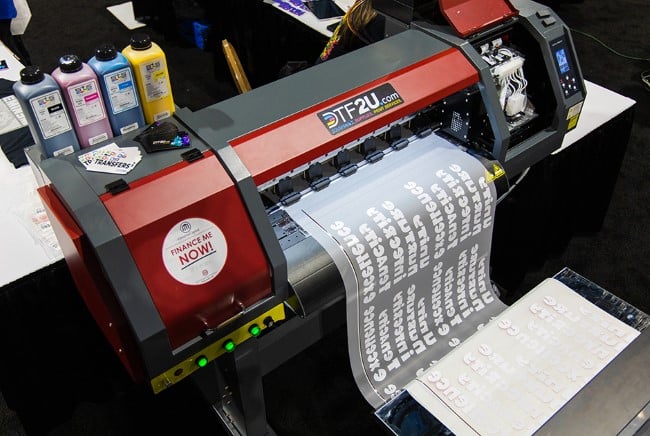

Choosing the right printer for your business or creative projects can be challenging, especially with so many technologies available. For those looking to produce vibrant, long-lasting prints on a variety of materials, eco solvent ink printer guide resources can be invaluable. These printers are popular for their ability to deliver high-quality results while maintaining a lower environmental impact compared to traditional solvent printers.
Whether you’re a small business owner, a print shop operator, or a designer exploring new printing options, understanding the features, benefits, and considerations of eco solvent printing is essential. This article covers all the key aspects to help you make an informed decision, from print quality and media compatibility to cost factors and maintenance tips.
If you’re also interested in how digital technologies are transforming packaging, check out what is digital prototyping for packaging for insights on speeding up production and improving design workflows.
Understanding Eco Solvent Printing Technology
At its core, eco solvent printing uses inks formulated with mild, biodegradable solvents. These inks are less harmful to the environment and safer for operators compared to traditional solvent-based alternatives. The result is a printing process that produces less odor and fewer volatile organic compounds (VOCs), making it suitable for indoor environments and workplaces with stricter health standards.
Eco solvent printers are widely used for applications such as banners, vehicle wraps, window graphics, and indoor signage. Their versatility and ability to print on a range of coated and uncoated media make them a preferred choice for many professionals.
Key Features to Look for in an Eco Solvent Ink Printer
When evaluating different models, consider the following important features to ensure your investment meets your needs:
- Print Resolution and Quality: Look for printers that offer high DPI (dots per inch) for sharp, detailed images. Consistent color reproduction is crucial for branding and professional results.
- Media Compatibility: The best eco solvent printers support a wide variety of substrates, including vinyl, canvas, paper, and specialty films.
- Print Speed: Depending on your workload, you may need a printer that balances speed and quality. Entry-level models are suitable for small runs, while industrial options handle higher volumes efficiently.
- Ink Efficiency: Efficient ink usage reduces operational costs and waste. Some printers feature advanced ink management systems to optimize consumption.
- Ease of Maintenance: Choose a model with accessible components and automated cleaning cycles to minimize downtime and extend the printer’s lifespan.
Comparing Eco Solvent Ink Printer Options
The market offers a range of eco solvent printers, from compact desktop units to large-format machines. Here’s how to compare your options:
- Size and Footprint: Assess your available space and select a printer that fits your production area without causing workflow disruptions.
- Connectivity: Modern printers often include USB, Ethernet, and wireless options for flexible integration into your network.
- Software Compatibility: Ensure the printer supports your preferred design and RIP (Raster Image Processor) software for smooth operation.
- Warranty and Support: Reliable technical support and a solid warranty can save you time and money in the long run.
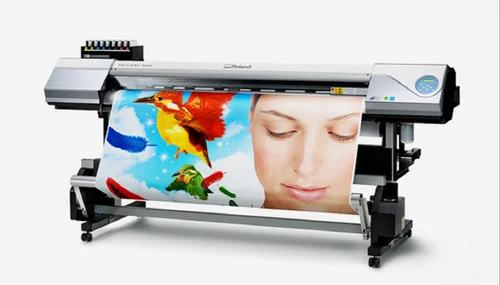
Benefits of Using Eco Solvent Printers
There are several advantages to choosing an eco solvent printing solution:
- Environmental Responsibility: Reduced VOC emissions and biodegradable solvents make these printers a greener choice.
- Indoor and Outdoor Durability: Prints are water-resistant, UV-stable, and suitable for both indoor and outdoor applications.
- Lower Operating Costs: Efficient ink usage and less frequent maintenance can reduce your total cost of ownership.
- Versatility: Ability to print on diverse materials expands your product offerings and market reach.
- Health and Safety: Less odor and safer handling conditions benefit both operators and customers.
For a deeper dive into the science behind these inks, see this comprehensive explanation of eco solvent digital ink.
Cost Considerations and Total Ownership
The initial price of an eco solvent printer is just one part of the equation. Factor in ongoing expenses such as ink refills, print heads, maintenance kits, and compatible media. Some printers may have a higher upfront cost but offer better long-term value through lower ink consumption and fewer service issues.
It’s also important to consider your expected print volume. High-volume users may benefit from industrial models with bulk ink systems, while occasional users can save money with entry-level devices.
Maintenance Tips for Eco Solvent Printing Systems
Regular maintenance is essential for consistent print quality and equipment longevity. Here are some practical tips:
- Perform routine nozzle checks and cleaning cycles to prevent clogs and banding.
- Store ink cartridges and media in a controlled environment to avoid contamination and degradation.
- Follow the manufacturer’s recommended maintenance schedule for replacing consumables and inspecting key components.
- Keep the printer’s environment clean and dust-free to minimize print defects.
Applications and Use Cases for Eco Solvent Printers
These printers are highly adaptable and serve a broad range of industries. Common applications include:
- Outdoor signage and billboards
- Vehicle wraps and fleet graphics
- Retail displays and window decals
- Custom wallpaper and interior décor
- Labels, stickers, and promotional items
If you’re interested in advanced finishing techniques, you might also explore what is holographic lamination for eye-catching print enhancements.
How to Choose the Right Eco Solvent Printing Solution
Selecting the best printer depends on your specific needs, budget, and production goals. Start by identifying the types of projects you plan to produce and the materials you’ll use most often. Compare technical specifications, user reviews, and manufacturer support to narrow down your options.
It can also be helpful to request print samples or demonstrations from suppliers to evaluate real-world performance. Don’t hesitate to ask about warranty coverage, training resources, and after-sales support.
Frequently Asked Questions
What makes eco solvent printers different from traditional solvent printers?
Eco solvent printers use inks with milder, biodegradable solvents that emit fewer harmful chemicals. This makes them safer for indoor use and reduces their environmental impact compared to traditional solvent printers, which use harsher chemicals and produce more VOCs.
Can eco solvent printers be used for both indoor and outdoor applications?
Yes, prints produced with eco solvent inks are durable, water-resistant, and UV-stable, making them suitable for both indoor displays and outdoor signage. Their versatility is one of the main reasons they are popular across various industries.
How often do eco solvent printers require maintenance?
Regular maintenance is recommended to ensure optimal performance. This includes routine nozzle checks, cleaning cycles, and periodic replacement of consumables. Following the manufacturer’s guidelines will help extend the life of your printer and maintain print quality.
Are eco solvent inks compatible with all types of media?
While eco solvent inks are compatible with a wide range of materials, including vinyl, canvas, and paper, it’s important to check the printer’s specifications for supported substrates. Some specialty materials may require specific coatings or treatments for best results.
Conclusion
Investing in an eco solvent printing system can elevate your print production capabilities while supporting sustainability goals. By considering factors such as print quality, media compatibility, cost, and maintenance, you can select a printer that meets your needs and delivers consistent, professional results. For more insights on color management and print technology, explore the benefits of cloud-based color management for global brands.