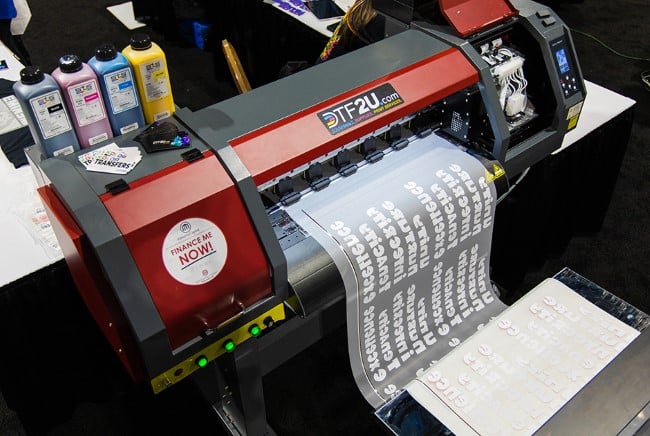

Understanding the eco solvent ink running cost is essential for businesses and individuals who rely on wide-format printing for signage, packaging, or custom graphics. Accurate cost calculation helps with budgeting, pricing services, and maximizing profitability. This guide breaks down the main factors that influence ongoing expenses, provides calculation methods, and offers practical tips to help you make informed decisions about your printing operations.
Eco solvent inks are popular for their durability, vibrant color reproduction, and compatibility with a wide range of substrates. However, the ongoing costs can vary significantly depending on printer model, print volume, ink consumption, and maintenance routines. By analyzing these variables, you can estimate your true cost per print and identify opportunities to optimize your workflow.
For those interested in sustainable and innovative print techniques, you may also want to explore this guide to solvent-free printing processes for a broader perspective on eco-friendly options in the industry.
Key Factors Affecting Eco Solvent Ink Expenses
Several variables contribute to the total eco solvent ink running cost. Understanding these factors is the first step toward accurate budgeting and cost control:
- Ink Consumption Rate: The amount of ink used per square meter or per print job depends on image coverage, print mode (quality vs. speed), and color density.
- Printer Efficiency: Different printers have varying levels of ink efficiency. Some models use advanced printheads that minimize waste, while others may consume more ink for the same output.
- Substrate Type: Printing on coated vinyl, canvas, or specialty films can affect ink absorption and, consequently, the amount of ink required.
- Maintenance and Cleaning: Regular maintenance cycles often use ink for printhead cleaning and nozzle checks, contributing to overall consumption.
- Ink Price: The cost per liter or cartridge varies by brand, supplier, and whether you use OEM or compatible inks.
How to Calculate Your True Ink Cost Per Print
To determine the real eco solvent ink running cost for your operation, follow these steps:
- Measure Ink Usage: Many printers provide software tools or logs that display ink consumption per job. Alternatively, you can track ink levels before and after a known print run.
- Calculate Area Printed: Note the total square meters or feet produced during the tracked period.
- Determine Cost Per Liter: Divide the total price paid for ink (including shipping and taxes) by the volume purchased.
- Compute Cost Per Square Meter: Use the formula:
Cost per m² = (Total Ink Used in Liters × Cost per Liter) ÷ Total Area Printed (m²) - Include Maintenance Usage: Don’t forget to factor in ink used for cleaning cycles, which can add 5–15% to your total consumption.
For example, if you use 0.015 liters of ink to print 1 m² and your ink costs $50 per liter, the ink cost per m² is $0.75. If maintenance adds another 10%, your adjusted cost is $0.825 per m².
Other Ongoing Costs to Consider
While ink is a major component, a comprehensive running cost analysis should include additional expenses:
- Media/Substrate: The cost of vinyl, paper, or specialty materials can sometimes exceed ink expenses, especially for premium jobs.
- Printer Maintenance: Replacement parts (wipers, capping stations, dampers) and regular servicing are necessary for consistent output and longevity.
- Energy Consumption: Large-format printers and their heaters or dryers can use significant electricity, especially during long print runs.
- Waste Management: Disposing of used cartridges, cleaning fluids, and print media offcuts may incur additional costs, particularly if environmental regulations apply.
Factoring in these elements gives a more accurate picture of your total cost per print, which is crucial for setting competitive prices and maintaining profitability.
Optimizing Your Eco Solvent Printing Workflow
Reducing your eco solvent ink running cost isn’t just about finding cheaper ink. Consider these strategies to improve efficiency and lower expenses:
- Choose the Right Print Mode: Use draft or production modes for less critical jobs to reduce ink usage, reserving high-quality modes for premium work.
- Maintain Your Printer Regularly: Preventative maintenance reduces waste from clogged nozzles and unnecessary cleaning cycles.
- Monitor Ink Levels: Avoid running cartridges completely dry, which can lead to costly printhead damage and increased maintenance ink use.
- Source Ink Wisely: While compatible inks can offer savings, ensure they are high quality to prevent equipment issues. Always calculate the true cost, including potential maintenance impacts.
- Train Staff: Proper training minimizes errors, reduces waste, and ensures optimal printer operation.
For more on how print technology is evolving, see the latest trends in wood-grain and natural textures on print for inspiration on creative applications that can impact your material and ink choices.

Comparing Eco Solvent Ink to Other Printing Technologies
Eco solvent printing is often compared to aqueous, UV-curable, and latex ink systems. Each has its own cost structure and operational considerations:
- Aqueous Inks: Typically less expensive per liter, but less durable outdoors and may require coated media.
- UV-Curable Inks: Higher initial equipment cost, but instant curing and broad substrate compatibility can offset ink expenses for some applications.
- Latex Inks: Offer environmental benefits and fast drying, but may use more energy and have different maintenance needs.
Eco solvent inks strike a balance between durability, versatility, and manageable running costs, making them a popular choice for signage and graphics. For a deeper understanding of ink chemistry and digital print options, see this comprehensive overview of eco solvent digital ink.
Frequently Asked Questions
What is the average ink consumption per square meter for eco solvent printers?
Most eco solvent printers use between 10–20 milliliters of ink per square meter, depending on image coverage and print mode. High-density graphics or photographic prints may require more, while simple graphics use less. Always check your printer’s usage statistics for the most accurate numbers.
How can I reduce my ongoing ink expenses without sacrificing print quality?
Optimize your print settings by selecting the appropriate quality mode for each job, maintain your equipment to prevent waste, and train operators on best practices. Sourcing high-quality compatible inks and monitoring consumption closely can also help lower your eco solvent ink running cost over time.
Are there hidden costs beyond ink when running an eco solvent printer?
Yes, additional costs include media, maintenance parts, cleaning fluids, and energy consumption. Factoring in these expenses gives a more accurate picture of your total cost per print and helps you price your services competitively.
Is it worth switching to solvent-free or alternative ink technologies?
It depends on your application, volume, and sustainability goals. Solvent-free systems may offer environmental and regulatory benefits, but could involve higher upfront costs or require different substrates. For more information, review the guide to solvent-free printing processes.
Conclusion
Calculating and managing your eco solvent ink running cost is crucial for any print business or enthusiast aiming for efficiency and profitability. By understanding the key factors, tracking real-world usage, and optimizing your workflow, you can make informed decisions that benefit both your bottom line and your print quality. Stay updated on new technologies and best practices to keep your operation competitive in a rapidly evolving industry.