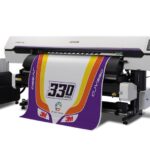

As the printing industry evolves, more businesses and creators are seeking environmentally responsible solutions that don’t compromise on quality or performance. Eco solvent ink sustainability has become a central topic for anyone involved in wide-format printing, signage, or graphic production. Understanding how these inks impact the environment, their benefits, and their role in modern print workflows can help you make informed decisions that support both your business and the planet.
This article explores the environmental aspects of eco solvent inks, how they compare to traditional alternatives, and what makes them a preferred choice for sustainable printing. We’ll also touch on safe handling, market trends, and practical tips for maximizing their eco-friendly potential.
For those interested in workplace safety when using these inks, the guide on eco solvent ink workplace safety provides practical advice on maintaining a secure environment.
What Makes Eco Solvent Inks Environmentally Friendly?
The term eco solvent ink sustainability refers to the reduced environmental impact of these inks compared to traditional solvent-based options. Eco solvent inks are formulated with biodegradable solvents, often derived from natural sources, which emit significantly fewer volatile organic compounds (VOCs) during printing. This leads to improved indoor air quality and a lower carbon footprint.
Key factors contributing to their eco credentials include:
- Lower VOC Emissions: Eco solvent inks release fewer harmful chemicals, making them safer for operators and the environment.
- Biodegradable Components: Many ingredients break down naturally, reducing the risk of long-term pollution.
- Energy Efficiency: These inks often require less energy for drying and curing, further minimizing their environmental impact.
- Compatibility with Recyclable Media: Eco solvent inks adhere well to recyclable and PVC-free substrates, supporting a circular economy.
Comparing Eco Solvent and Traditional Solvent Inks
Traditional solvent inks have long been used for their durability and vivid color output, but they come with significant environmental drawbacks. High VOC emissions, strong odors, and hazardous waste are common concerns. In contrast, eco solvent inks offer a more sustainable alternative without sacrificing print quality.
Here’s a quick comparison:
| Aspect | Traditional Solvent Inks | Eco Solvent Inks |
|---|---|---|
| VOC Emissions | High | Low |
| Odor | Strong, persistent | Mild, often unnoticeable |
| Environmental Impact | Significant | Reduced |
| Print Durability | Excellent | Excellent |
| Media Compatibility | Limited to certain plastics | Wider range, including eco-friendly media |
Benefits of Using Sustainable Eco Solvent Inks
Adopting eco solvent inks brings several advantages beyond environmental responsibility. Print providers and end-users benefit from:
- Healthier Workspaces: Lower VOCs mean improved air quality, reducing health risks for operators.
- Regulatory Compliance: Many regions have strict emissions standards; eco solvent inks help businesses stay compliant.
- Versatility: These inks work well on banners, vehicle wraps, posters, and more, supporting a variety of applications.
- Outdoor Durability: Prints are resistant to fading, water, and scratches, making them suitable for demanding environments.
- Cost Efficiency: Reduced need for ventilation and special handling can lower operational costs.
Safe Handling and Workplace Considerations
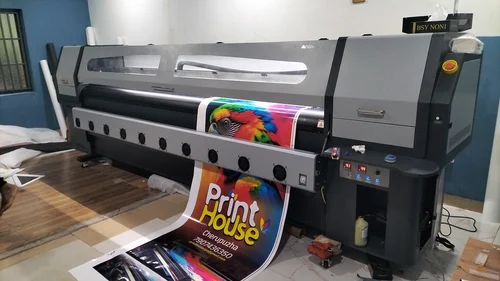
While eco solvent inks are less hazardous than traditional options, safe handling remains important. Proper storage, ventilation, and personal protective equipment help maintain a healthy work environment. For comprehensive safety tips, refer to the eco solvent ink safety guidelines resource.
Routine maintenance of printers and careful disposal of waste ink are also essential for minimizing environmental impact and ensuring consistent print quality. For more on daily upkeep, see this eco solvent printer maintenance guide which covers best practices for extending equipment lifespan and reducing waste.
Market Trends and the Future of Eco Solvent Printing
The demand for sustainable printing solutions continues to rise as businesses and consumers become more environmentally conscious. According to recent industry reports, the adoption of eco solvent inks is growing across sectors such as advertising, retail, and interior décor. This shift is driven by regulatory changes, corporate sustainability goals, and the desire for safer workplaces.
Entrepreneurs exploring new opportunities may find inspiration in these eco solvent printing business ideas, which highlight innovative ways to leverage eco-friendly technology for growth.

Challenges and Considerations for Sustainable Printing
While the environmental advantages of eco solvent inks are clear, there are still challenges to address. Not all substrates are compatible with these inks, and some applications may require additional coatings or treatments. Additionally, while VOC emissions are lower, they are not entirely eliminated, so proper ventilation remains important.
Cost can also be a factor, as eco solvent inks may carry a higher upfront price than conventional options. However, many users find that the long-term savings in energy, maintenance, and regulatory compliance offset the initial investment.
For businesses evaluating the market, the eco solvent printing demand guide offers insights into growth areas and evolving customer expectations.
Maximizing the Environmental Benefits of Eco Solvent Inks
To fully realize the sustainability potential of eco solvent inks, consider these best practices:
- Choose recyclable or biodegradable print media whenever possible.
- Implement a waste management plan for used cartridges and leftover ink.
- Maintain equipment regularly to reduce ink waste and energy consumption.
- Educate staff on safe handling and environmental protocols.
- Stay informed about new products and technologies that further reduce environmental impact.
Frequently Asked Questions
Are eco solvent inks completely non-toxic?
While eco solvent inks are significantly less toxic than traditional solvent inks, they are not entirely free of chemicals. They contain mild solvents and should still be handled with care, following manufacturer guidelines for storage and use.
Can eco solvent inks be used for outdoor applications?
Yes, these inks are designed for both indoor and outdoor use. They offer excellent resistance to UV light, water, and abrasion, making them suitable for banners, vehicle wraps, and signage exposed to the elements.
How do eco solvent inks impact print quality?
Modern eco solvent inks deliver high-quality, vibrant prints comparable to traditional solvent inks. They provide sharp detail and long-lasting color, making them a reliable choice for professional graphics and displays.
What is the difference between eco solvent and latex inks?
Eco solvent inks use mild, biodegradable solvents, while latex inks are water-based and contain polymer particles. Both offer environmental benefits, but latex inks may dry faster and emit even fewer VOCs. The best choice depends on your specific printing needs and equipment.
Do eco solvent inks require special printers?
Yes, these inks are formulated for use in printers designed to handle eco solvent formulations. Using the correct equipment ensures optimal performance, print quality, and safety.
For more information on odor and safety, see the article on eco solvent ink odor levels for additional facts and tips.
By understanding the principles of eco solvent ink sustainability and following best practices, print professionals can reduce their environmental impact while maintaining the high standards their clients expect.