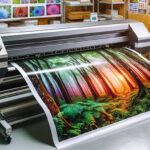

Choosing the right ink technology is a crucial decision for anyone involved in digital printing. Two of the most popular options are eco solvent ink and UV ink. Each offers distinct advantages and limitations, making them suitable for different applications, substrates, and business needs. Understanding the differences between these two ink types can help print providers, sign makers, and graphic professionals select the best solution for their projects.
This article provides a comprehensive comparison of eco solvent ink vs UV ink, covering print quality, durability, environmental impact, compatible materials, and maintenance requirements. If you’re also interested in keeping your printer in top shape, you may find this guide on how to avoid ink clogging helpful.
Understanding Eco Solvent Ink Technology
Eco solvent inks are formulated with mild, biodegradable solvents that carry the pigment to the print surface. Unlike traditional solvent inks, these are less aggressive, emitting lower levels of volatile organic compounds (VOCs). This makes them more environmentally friendly and safer for indoor use.
Key features of eco solvent inks include:
- Suitable for flexible materials like vinyl, banners, and self-adhesive films
- Good outdoor durability, typically lasting up to three years without lamination
- Vivid colors and smooth gradients, especially on coated substrates
- Slower drying times compared to UV inks, often requiring heaters or fans
Maintenance is essential with eco solvent printers, as ink can dry and clog printheads if the machine is left idle. For practical tips, see this resource on eco solvent printer daily maintenance methods.
How UV Ink Printing Works
UV inks are based on a completely different technology. Instead of solvents, they use a liquid formula that instantly cures when exposed to ultraviolet light. This rapid curing process allows for printing on a wide range of rigid and flexible materials, including plastics, glass, wood, metal, and more.
Notable characteristics of UV ink printing:
- Instant drying and handling due to UV curing
- Excellent adhesion to both coated and uncoated surfaces
- High resistance to scratching, chemicals, and fading
- Ability to print white ink and varnish for special effects
- Minimal odor and no VOC emissions during printing
UV printers are versatile but often come with higher initial investment and maintenance costs. Printheads must be protected from stray UV light, and regular cleaning is necessary to prevent ink buildup.
Comparing Print Quality and Color Performance
When evaluating eco solvent ink vs UV ink for print quality, both technologies offer high-resolution output, but there are differences in finish and color vibrancy.
- Eco solvent prints tend to have a softer, more natural finish. They excel at producing smooth gradients and subtle color transitions, making them ideal for photographic and fine art applications.
- UV prints are known for their sharpness and ability to create striking, high-contrast images. The cured ink sits on top of the substrate, resulting in a slightly raised texture and a more “solid” appearance.
UV technology also enables special effects like gloss, matte, and textured finishes, as well as printing on dark or transparent materials using white ink layers.
Durability and Environmental Factors
Durability is a key consideration in the eco solvent ink vs UV ink debate. Both ink types offer strong resistance to fading, water, and abrasion, but there are some distinctions:
- Eco solvent inks are weather-resistant and suitable for outdoor signage, vehicle wraps, and banners. However, they may require lamination for maximum longevity in harsh environments.
- UV inks provide superior resistance to scratches, chemicals, and sunlight. Prints are often ready for immediate use without additional finishing, making them popular for industrial and high-traffic applications.
From an environmental perspective, eco solvent inks release fewer harmful emissions than traditional solvents, but UV inks are virtually odorless and free from VOCs. Both are considered safer alternatives, but UV printing’s instant curing process offers an edge in workplace safety and air quality.
Material Compatibility and Application Range
The choice between these ink types often depends on the materials you plan to print on:
- Eco solvent inks are best suited for flexible, coated substrates such as vinyl, canvas, and banner materials. They are widely used for vehicle graphics, outdoor signs, and wall coverings.
- UV inks can adhere to almost any surface, including rigid boards, glass, metal, wood, acrylic, and even leather. This versatility makes them ideal for promotional items, packaging, displays, and specialty graphics.
If you are looking for tips on maintaining print quality and extending the life of your equipment, check out this article on printhead care for latex printers.
Maintenance and Operational Considerations
Regular maintenance is vital for both eco solvent and UV printers, but the requirements differ:
- Eco solvent printers need frequent cleaning cycles to prevent ink from drying in the printhead. Leaving the printer idle for extended periods can lead to clogs and costly repairs.
- UV printers require careful handling of printheads to avoid exposure to stray UV light, which can cure ink prematurely. Automated cleaning systems are common, but manual intervention may be needed for stubborn buildup.
For more on keeping your printer in optimal condition, you might also be interested in this guide on cleaning cycles in latex printing.
Cost Analysis: Upfront and Ongoing Expenses
Budget is always a factor when selecting a printing system. Here’s how the two ink types compare:
- Eco solvent printers generally have lower initial costs and are affordable to operate. Ink prices are moderate, and parts are widely available.
- UV printers tend to be more expensive upfront due to advanced curing systems and printhead technology. However, their ability to print on diverse materials can open up new revenue streams.
Ongoing costs for both include ink, maintenance, and occasional part replacements. UV inks may be pricier per liter, but their durability can reduce the need for lamination or reprints.
Which Ink Technology Is Right for You?
The decision between eco solvent ink and UV ink should be based on your specific business needs, target applications, and budget. If you primarily produce outdoor signage or vehicle graphics on flexible media, eco solvent may be the best fit. If you require versatility for printing on a wide range of rigid and specialty substrates, UV technology offers unmatched flexibility.
Consider factors such as print speed, environmental impact, maintenance, and the types of products you want to offer. Both technologies continue to evolve, with improvements in ink formulations and printer hardware expanding their capabilities.
Frequently Asked Questions
Can eco solvent ink be used on rigid materials?
Eco solvent inks are primarily designed for flexible, coated substrates like vinyl and banners. They do not adhere well to rigid, non-absorbent surfaces. For printing on rigid materials, UV ink is a better choice due to its instant curing and strong adhesion.
Is UV ink more environmentally friendly than eco solvent?
Both ink types are considered eco-friendly compared to traditional solvent inks. UV inks have the advantage of being virtually odorless and free from VOC emissions, while eco solvent inks use milder, biodegradable solvents. UV printing also eliminates the need for drying time, reducing energy consumption.
How do I maintain printhead health with these inks?
Regular cleaning and proper printer operation are essential for both ink types. Eco solvent printers require frequent cleaning cycles to prevent clogs, while UV printers need protection from stray UV light and occasional manual cleaning. For more detailed advice, see this guide on nozzle check for latex printers.