Understanding eco solvent printing profit margins is essential for anyone operating in the digital print industry or considering investing in eco solvent technology. This printing method is widely used for producing banners, vehicle wraps, signage, and other durable graphics. Its popularity stems from the balance it offers between print quality, environmental impact, and operational costs. However, to maximize returns, print shop owners and operators need to analyze all cost factors and revenue opportunities associated with eco solvent printing.
In this article, we’ll break down the main components that influence profitability, from equipment and consumables to pricing strategies and market demand. We’ll also provide practical tips to help you improve your margins and remain competitive in a fast-evolving market. For those interested in how eco solvent technology stacks up against other ink types, our eco solvent ink vs uv ink guide offers a detailed comparison.
Key Factors That Influence Eco Solvent Printing Profitability
Several variables determine the overall profitability of an eco solvent print operation. These include the initial investment, ongoing expenses, production efficiency, and the ability to command premium prices for specialized applications. Let’s examine each of these in more detail.
Initial Investment and Equipment Costs
The upfront cost of an eco solvent printer can range from a few thousand to tens of thousands of dollars, depending on print width, speed, and brand reputation. Additional equipment, such as laminators and cutting plotters, may also be required for a full-service print shop. While these costs are significant, they are typically amortized over several years of production.
Consumables and Ongoing Expenses
The main recurring costs in eco solvent printing are ink, media (vinyl, banner material, etc.), and maintenance supplies. Eco solvent inks are generally less expensive than UV inks but more costly than traditional solvent inks. Media costs vary widely based on quality and application. Regular maintenance—such as cleaning cycles and part replacements—ensures consistent output and helps avoid costly downtime.
For tips on daily care and maximizing printer lifespan, refer to this eco solvent printer daily maintenance guide.
Labor and Overhead
Labor costs include operator wages, design time, and administrative work. Overhead covers utilities, rent, insurance, and other fixed expenses. Efficient workflow and automation can help reduce labor hours per job, directly improving profit margins.
Calculating Your True Profit Margins in Eco Solvent Printing
To accurately assess eco solvent printing profit margins, it’s important to calculate both direct and indirect costs per print job. Here’s a step-by-step approach:
- Determine Direct Costs: Add up the ink, media, and any finishing supplies used for a specific print run.
- Include Indirect Costs: Allocate a portion of equipment depreciation, labor, and overhead to each job based on production volume.
- Set Your Selling Price: Research local market rates and factor in your unique value proposition, such as faster turnaround or higher quality.
- Calculate Gross Margin: Subtract total costs from the selling price to determine gross profit per job.
- Analyze Trends: Track margins over time to identify opportunities for cost savings or price adjustments.
Typical Margin Ranges for Eco Solvent Print Shops
Most print businesses using eco solvent technology report gross profit margins between 30% and 60% per job, depending on the type of product and market segment. High-volume, commodity items like simple banners tend to have lower margins, while custom vehicle wraps, specialty signage, and short-run graphics can command much higher markups.
Factors that can boost margins include offering design services, quick turnaround, or unique finishing options. Conversely, intense local competition or price wars can compress profits, making operational efficiency even more critical.
Comparing Eco Solvent Margins to Other Printing Methods
Compared to traditional solvent printing, eco solvent methods often yield slightly lower margins due to higher ink costs but offer advantages in safety, odor, and environmental compliance. When compared with UV printing, eco solvent is typically more affordable for entry-level shops, though UV can deliver higher margins for certain high-value applications.
For a deeper dive into the distinctions between ink types and their impact on profitability, see our article on eco solvent ink vs solvent ink.
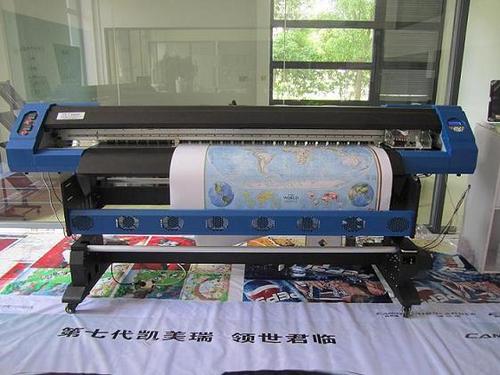
Strategies to Improve Your Eco Solvent Printing Margins
Maximizing profitability in eco solvent printing requires a combination of cost control, smart pricing, and value-added services. Here are some actionable tips:
- Negotiate with Suppliers: Buying ink and media in bulk or partnering with reliable vendors can reduce material costs.
- Optimize Print Settings: Adjusting print modes for speed or ink consumption can lower costs without sacrificing quality for certain jobs.
- Regular Maintenance: Preventative care minimizes downtime and extends equipment life. For latex printers, understanding cleaning cycles in latex printing can offer helpful parallels.
- Expand Service Offerings: Adding design, installation, or finishing services can justify higher prices and attract new customers.
- Target Niche Markets: Specializing in high-value applications, such as vehicle wraps or eco-friendly graphics, can improve margins.
- Monitor Waste: Careful planning and layout can reduce media waste, directly boosting profitability.
Common Challenges and How to Overcome Them
While eco solvent printing is a proven business model, operators face several challenges that can impact profit margins:
- Ink Clogging and Maintenance: Clogged printheads can increase costs and reduce output. Learn how to prevent these issues with our guide on how to avoid ink clogging.
- Price Competition: Competing solely on price erodes margins. Focus on quality, speed, or unique offerings to stand out.
- Changing Market Demand: Stay agile by monitoring trends and adapting your product mix to meet evolving customer needs.
- Equipment Downtime: Schedule regular maintenance and keep spare parts on hand to minimize disruptions.
Frequently Asked Questions
What is a typical profit margin for eco solvent print jobs?
Most print shops see gross margins between 30% and 60% on eco solvent projects, with higher profits possible for custom or specialty work.
How can I increase my profit margins with eco solvent printing?
Focus on reducing material costs, optimizing workflow, offering value-added services, and targeting niche markets that allow for premium pricing.
Are eco solvent printers more profitable than UV or latex printers?
Profitability depends on your market, product mix, and operational efficiency. Eco solvent printers have lower entry costs and are ideal for many applications, but UV and latex printers may offer higher margins for certain high-end or specialty products.
What are the main costs involved in eco solvent printing?
The primary expenses include ink, media, equipment depreciation, labor, maintenance, and overhead such as rent and utilities.
How do I calculate my true cost per print?
Add up all direct costs (ink, media, finishing) and allocate a portion of indirect costs (equipment, labor, overhead) to each job based on your production volume.