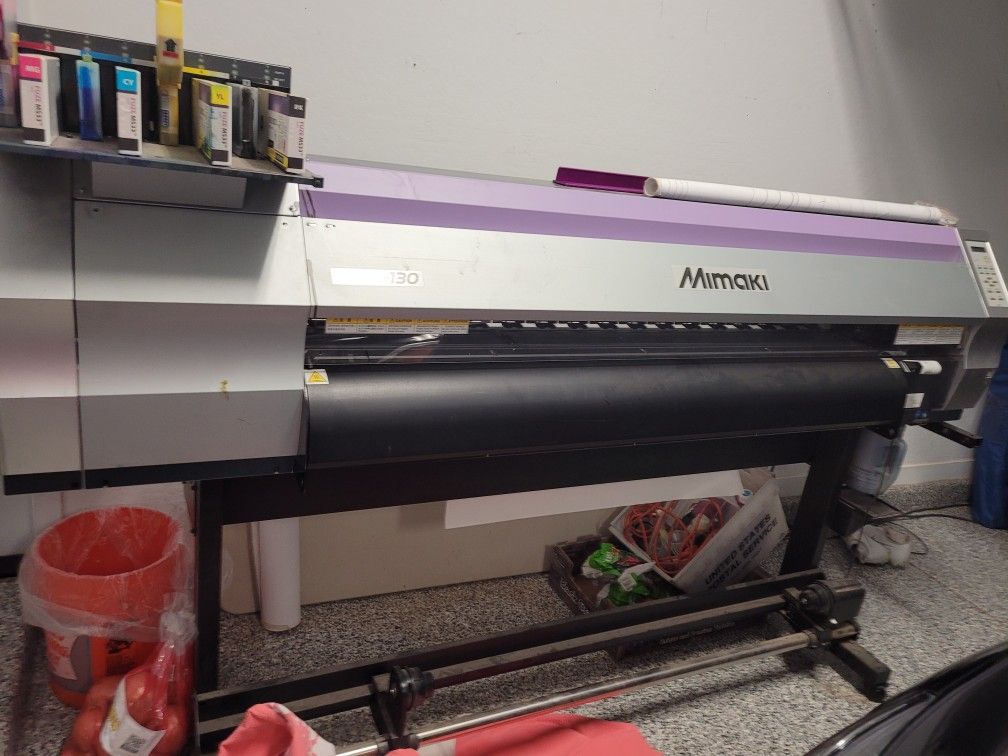

Starting a business in eco solvent printing offers a promising opportunity for those interested in signage, banners, and custom graphics. Setting up a shop requires careful planning, the right equipment, and a clear understanding of the workflow. This eco solvent printing shop setup guide will walk you through the essential steps, from choosing your location to optimizing print quality and managing costs. Whether you’re new to the industry or expanding your services, following a structured approach can help you avoid common pitfalls and achieve sustainable growth.
Before diving into the practical steps, it’s important to understand what makes eco solvent printing unique. This technology uses environmentally friendlier inks that produce vibrant, durable prints suitable for both indoor and outdoor applications. As demand for greener solutions grows, businesses equipped with eco solvent printers are well-positioned to capture a wide range of clients.
For a detailed look at profitability, check out the eco solvent printing profit margins resource, which covers key financial considerations for new shop owners.
Planning Your Eco Solvent Printing Business
The first step in establishing a successful print shop is thorough planning. Begin by researching your local market to identify target customers, such as advertising agencies, retail stores, event organizers, or small businesses needing custom graphics. Analyze competitors and determine what services you can offer to stand out—this might include faster turnaround, specialty media, or eco-friendly printing options.
- Location: Choose a space with adequate ventilation, easy access for deliveries, and enough room for printers, finishing equipment, and inventory.
- Licenses and Permits: Register your business and obtain any required local permits before purchasing equipment.
- Budgeting: Factor in the cost of printers, inks, media, rent, utilities, and marketing. For a detailed breakdown, review the eco solvent printing startup cost guide.
Essential Equipment and Supplies for Eco Solvent Printing
Outfitting your shop with the right tools is critical. The heart of your operation will be the eco solvent printer, but you’ll also need a computer with RIP software, a laminator, cutting tools, and a reliable supply of inks and printable media.
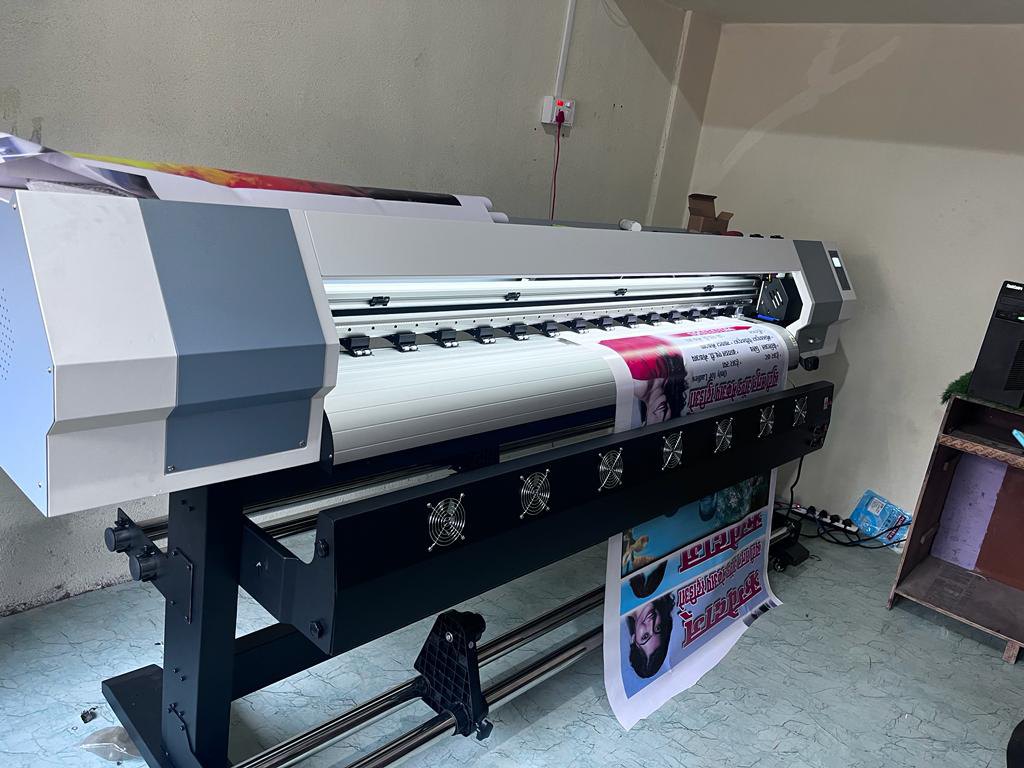
- Eco Solvent Printer: Select a model based on your expected print volume and media size. Entry-level machines are suitable for small shops, while larger units handle higher demand and wider formats.
- Computer & Software: A dedicated computer with robust graphics capabilities and RIP (Raster Image Processor) software is essential for color management and workflow efficiency.
- Finishing Tools: Laminators, trimmers, and mounting tools help you deliver professional results and expand your service offerings.
- Inks & Media: Stock up on compatible eco solvent inks and a variety of printable materials such as vinyl, canvas, and banner fabrics. For ink cost management, see the eco solvent ink cost overview.
Shop Layout and Workflow Optimization
Organizing your workspace for efficiency and safety is a key part of this eco solvent printing shop setup guide. Arrange equipment to minimize unnecessary movement and ensure a logical flow from design to printing, finishing, and packaging.
- Ventilation: Even though eco solvent inks are less hazardous than traditional solvents, proper airflow is important to maintain a safe environment.
- Storage: Designate areas for raw materials, finished goods, and waste. Keep inks and media away from direct sunlight and extreme temperatures.
- Maintenance: Set up a cleaning station and schedule regular maintenance for your printer to prevent downtime and maintain print quality.
Color Management and Print Quality
Delivering consistent, high-quality prints is essential for customer satisfaction. Invest time in calibrating your printer and using the right ICC profiles for each media type. For a step-by-step approach, refer to the eco solvent ink icc profiles setup guide.
- Calibration: Regularly calibrate your printer and monitor to ensure color accuracy.
- ICC Profiles: Use manufacturer-recommended profiles or create custom ones for specialty media.
- Test Prints: Run test prints before large jobs to catch issues early and minimize waste.
Improving Print Speed and Efficiency
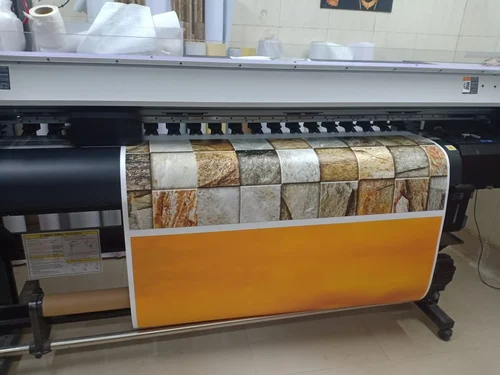
As your business grows, optimizing your workflow becomes increasingly important. Efficient print speed management helps you meet deadlines and increase profitability. For actionable advice, see the eco solvent ink print speed optimization tips.
- Batch Processing: Group similar jobs together to reduce setup time and material changes.
- Routine Maintenance: Clean print heads and check for clogs regularly to avoid slowdowns.
- Software Automation: Use features in your RIP software to automate repetitive tasks and streamline production.
Marketing and Growing Your Print Shop
Once your shop is operational, focus on building a customer base and expanding your reach. Develop a professional website, showcase your portfolio, and leverage social media to attract clients. Networking with local businesses and offering sample prints can help establish your reputation.
- Service Diversification: Offer additional products such as wall graphics, vehicle wraps, or custom decals to increase revenue streams.
- Customer Service: Provide clear communication, fast turnaround, and consistent quality to encourage repeat business and referrals.
- Sustainability: Highlight the eco-friendly aspects of your printing process to appeal to environmentally conscious customers. For more on the benefits and applications, see this overview of eco solvent printing for advertising.
Frequently Asked Questions
What are the main advantages of eco solvent printing over traditional solvent printing?
Eco solvent printing uses inks that emit fewer volatile organic compounds (VOCs), making them safer for operators and the environment. The prints are durable, weather-resistant, and suitable for both indoor and outdoor use. Additionally, eco solvent printers often require less maintenance and can handle a wide variety of media types.
How much space is needed to set up an eco solvent print shop?
The required space depends on your equipment and expected production volume. A small shop can operate in 300–500 square feet, but more space is recommended for higher output, storage, and finishing areas. Ensure there is adequate ventilation and room for safe movement around machines.
What are the ongoing costs involved in running an eco solvent print shop?
Ongoing expenses include ink and media, equipment maintenance, utilities, rent, and labor. Ink and media costs can vary based on print volume and material choices. For a detailed analysis, refer to the eco solvent ink cost guide.
How do I ensure consistent color quality in my prints?
Consistent color quality is achieved by regularly calibrating your printer and monitor, using the correct ICC profiles for each media type, and performing test prints before large jobs. Keeping your equipment clean and well-maintained also plays a significant role.
Can eco solvent printers be used for backlit signage and specialty applications?
Yes, eco solvent printers are versatile and can produce high-quality backlit signs, banners, decals, and more. For details on specific applications, see this guide on eco solvent printing for backlit banner fabric.
By following these steps and resources, you can establish a thriving print business that delivers quality, sustainability, and value to your customers.