
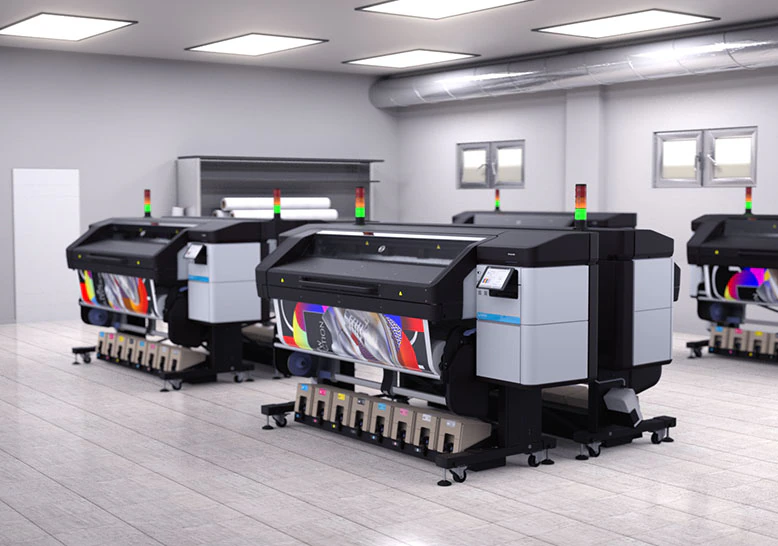

The printing industry faces growing pressure to adopt more sustainable practices and minimize environmental impact. Traditional print production methods often generate significant waste, from excess ink and offcuts to hazardous chemical byproducts. As businesses and consumers demand greener solutions, innovative technologies are reshaping the way materials are printed and processed. Among these advancements, latex printing stands out as a practical approach for reducing waste and supporting eco-friendly operations.
In this article, we’ll explore how latex-based print technology addresses waste concerns, the mechanisms behind its efficiency, and the broader benefits for print providers and the environment. We’ll also compare latex printing to other digital methods and highlight strategies to further optimize your print workflow for sustainability.
For those interested in related innovations, understanding what is digital prototyping for packaging can offer further insights into how modern print workflows are becoming faster and more resource-efficient.
Understanding Latex Printing and Its Environmental Impact
Latex printing uses water-based inks containing latex polymers, which are cured at moderate temperatures to form durable, flexible prints. Unlike solvent-based or UV-curable inks, latex formulations are free from hazardous air pollutants (HAPs) and produce minimal volatile organic compounds (VOCs). This composition not only makes latex prints safer for indoor environments but also significantly reduces the need for special ventilation or disposal procedures.
The environmental advantages of latex printing go beyond ink chemistry. By enabling precise ink laydown and rapid drying, latex technology helps minimize material waste and energy consumption. These benefits make it a compelling choice for print shops aiming to improve their sustainability profile.
Key Ways Latex Printing Minimizes Waste in Production
The core of how latex printing reduces waste lies in its ability to streamline production and eliminate common sources of inefficiency. Here are several mechanisms by which latex technology supports waste reduction:
- Efficient Ink Usage: Latex printers are engineered for accurate ink placement, reducing overspray and ensuring that only the required amount of ink is used. This precision minimizes leftover ink and prevents unnecessary consumption.
- Faster Drying Times: Water-based latex inks dry quickly, allowing prints to be handled or finished almost immediately. This reduces the risk of smudging, reprints, and wasted materials due to handling errors.
- Reduced Substrate Waste: Advanced printheads and automated calibration features help align prints perfectly, minimizing misprints and offcuts. This is especially important for large-format jobs where material costs can be significant.
- Lower Hazardous Waste: Since latex inks do not contain harmful solvents, there is less need for special chemical disposal. Cleaning and maintenance also generate less hazardous waste compared to solvent-based systems.
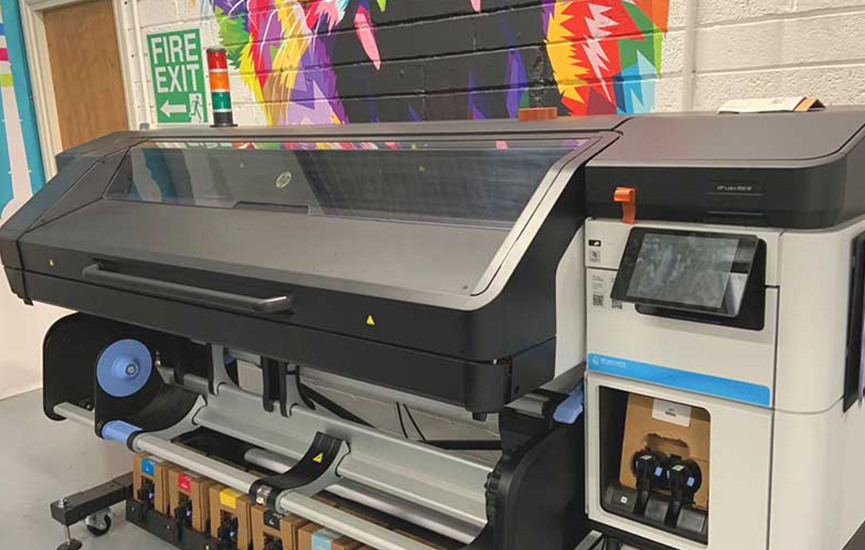
Comparing Latex Printing to Other Digital Printing Methods
When evaluating sustainability, it’s important to compare latex technology to other popular digital printing approaches, such as solvent, eco-solvent, and UV-curable printing. Each method has its own waste profile:
- Solvent Printing: Uses petroleum-based inks, which emit VOCs and require special ventilation. Cleaning solvents and ink waste must be handled as hazardous materials, increasing environmental risk.
- Eco-Solvent Printing: Offers lower emissions than traditional solvent, but still relies on chemical-based inks and generates some hazardous waste.
- UV Printing: Cures inks instantly using ultraviolet light, reducing drying time. However, UV inks can contain photoinitiators and chemicals that require careful handling and disposal.
- Latex Printing: Stands out for its water-based formulation, low emissions, and minimal hazardous waste. The technology’s efficiency further reduces substrate and ink waste.
For a more detailed comparison of latex and digital printing technologies, see this guide to latex versus digital printing.
Best Practices for Maximizing Waste Reduction with Latex Printing
To fully leverage the waste-reducing potential of latex printers, print providers should adopt several best practices:
- Regular Calibration: Use a monitor calibrator and printer profiling tools to ensure color accuracy and reduce the need for test prints or reprints.
- Smart Job Planning: Arrange print layouts to maximize material usage and minimize offcuts. Many RIP software solutions offer nesting features for this purpose.
- Routine Maintenance: Keep printheads and ink delivery systems clean to avoid clogs, streaks, or misprints that can lead to wasted materials.
- Choose Sustainable Media: Pair latex inks with recyclable or responsibly sourced substrates to further reduce environmental impact.
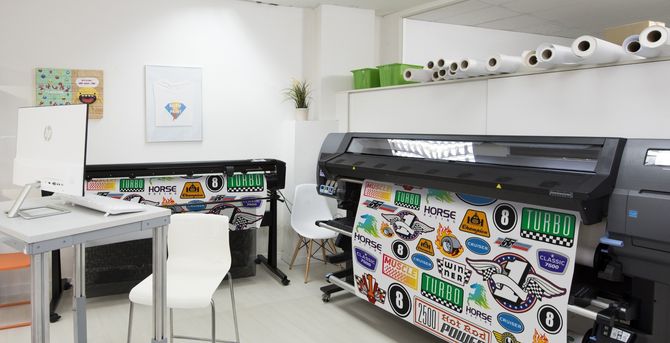
Additional Benefits of Adopting Latex Technology
Beyond minimizing waste, latex printing offers several operational and business advantages:
- Healthier Work Environment: With low emissions and no harsh odors, latex printers are safer for operators and suitable for installation in office or retail spaces.
- Versatility: Latex inks adhere to a wide range of substrates, including paper, vinyl, textiles, and specialty materials, reducing the need for multiple printers or ink types.
- Compliance: Many latex prints meet strict environmental certifications, making them suitable for sensitive applications like schools, hospitals, and food packaging.
- Customer Appeal: Brands and clients increasingly value sustainable print solutions, which can help print providers win new business and strengthen their reputation.
For organizations managing color across global print sites, exploring the benefits of cloud-based color management can further enhance efficiency and consistency, complementing the waste-reducing features of latex technology.
Integrating Latex Printing into a Sustainable Workflow
Transitioning to latex-based production doesn’t require a complete overhaul of existing operations. Many print shops integrate latex printers alongside other digital equipment, gradually shifting more jobs to the greener platform. Training staff on best practices and updating workflow software can help maximize the environmental and economic benefits.
For businesses interested in innovative finishing techniques, learning about what is holographic lamination can provide ideas for creating eye-catching, sustainable print products.
Frequently Asked Questions
What types of waste are reduced by latex printing?
Latex printing reduces several types of waste, including excess ink, substrate offcuts, and hazardous chemical byproducts. Its water-based inks minimize the need for special disposal, and precise printhead technology cuts down on misprints and material waste.
Is latex printing suitable for all print applications?
Latex technology is highly versatile and can be used on a wide range of substrates, such as banners, posters, vehicle wraps, textiles, and wall coverings. However, for extremely specialized applications, it’s important to check substrate compatibility and durability requirements.
How does latex printing compare to other eco-friendly print methods?
Compared to solvent and UV-curable printing, latex offers lower emissions and less hazardous waste. While other digital methods may also reduce waste, latex stands out for its water-based formulation, quick drying, and broad media compatibility.
Can latex printing help my business meet sustainability goals?
Yes, adopting latex technology can help businesses reduce their environmental footprint, comply with green certifications, and appeal to clients seeking sustainable print solutions. Combining latex printing with efficient workflow practices maximizes these benefits.
For more on emerging print technologies and trends, consider exploring topics like what is electron beam curing in printing or how to design packaging for Gen Z consumers.




