
Frosted glass printing has become a popular choice for both residential and commercial environments, offering a blend of privacy, style, and branding opportunities. This technique transforms ordinary glass into visually appealing and functional surfaces, making it a go-to solution for those seeking to enhance interiors without sacrificing natural light. In this guide, we’ll explore the main uses, benefits, and practical considerations of frosted glass printing applications in modern homes and offices.
From decorative partitions to branded office doors, the versatility of printed frosted glass is hard to match. Whether you’re interested in upgrading your living space or creating a professional atmosphere at work, understanding the range of possibilities can help you make informed decisions. For those looking to avoid common pitfalls, our resource on common mistakes in glass printing offers valuable tips for achieving the best results.
What Is Frosted Glass Printing?
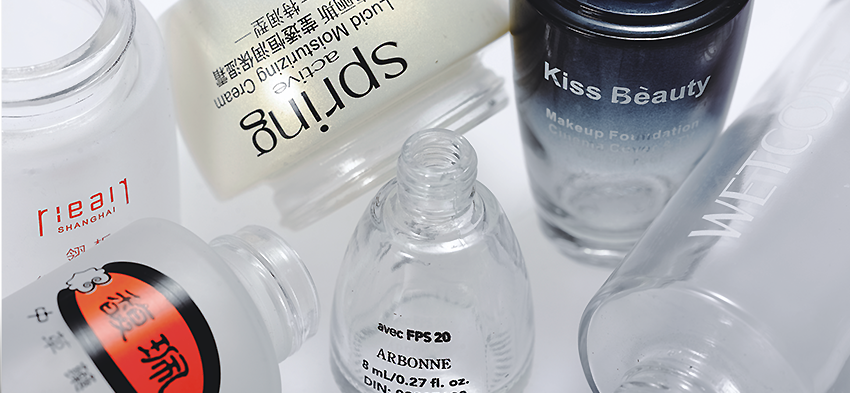
Frosted glass printing involves applying a translucent or opaque design onto glass surfaces, creating a matte finish that diffuses light and obscures visibility. This process can be achieved through various methods, including screen printing, digital UV printing, and chemical etching. Each technique offers unique advantages in terms of durability, detail, and cost.
Unlike clear glass, frosted finishes provide privacy while still allowing light to pass through, making them ideal for spaces where both seclusion and illumination are desired. The ability to print custom graphics, patterns, or branding elements further expands the creative potential of this medium.
Key Benefits of Frosted Glass Printing in Interior Design
Integrating frosted glass printing applications into your home or office brings several practical and aesthetic advantages:
- Privacy Without Darkness: Frosted glass is perfect for bathrooms, meeting rooms, or entryways where discretion is important but natural light is still needed.
- Customizable Designs: Personalize glass with logos, patterns, or text to reinforce branding or add a decorative touch.
- Easy Maintenance: The printed surface resists fingerprints and is simple to clean, making it suitable for high-traffic areas.
- Enhanced Safety: Frosted finishes can make glass panels more visible, reducing the risk of accidental collisions.
- Modern Appeal: The matte look of frosted glass complements contemporary interiors and can be tailored to fit any design scheme.
Popular Uses of Frosted Glass Printing at Home
Homeowners are increasingly turning to frosted glass for both functional and decorative purposes. Here are some of the most common ways this technique is used in residential settings:
- Shower Enclosures: Printed frosted glass panels add privacy and style to bathrooms, with options for subtle patterns or bold motifs.
- Room Dividers: Use frosted glass partitions to separate living spaces without blocking light or making rooms feel smaller.
- Cabinet Doors: Kitchen and bathroom cabinets with frosted glass fronts offer a sleek, modern look while concealing contents.
- Entry Doors & Windows: Enhance curb appeal and privacy by incorporating custom designs into exterior glass features.
- Decorative Accents: Small items like tabletops, shelves, or wall art can be personalized with printed frosted glass for a unique touch.
Office and Commercial Applications of Printed Frosted Glass
In business environments, frosted glass printing applications serve both branding and functional needs. Here are several ways companies use this technology to enhance their spaces:
- Conference Room Walls: Printed glass partitions provide privacy for meetings while displaying company logos or mission statements.
- Reception Areas: Welcome guests with custom graphics or frosted patterns on entry doors and windows.
- Workspace Dividers: Create semi-private workstations that maintain an open, airy feel.
- Safety Markings: Use frosted bands or symbols on large glass panels to increase visibility and comply with safety regulations.
- Retail Displays: Frosted glass shelving and display cases add a premium touch to product presentations.
For inspiration on integrating glass into luxury interiors, see our article on high end interior glass applications.
Techniques for Achieving Frosted Effects on Glass
There are several methods for creating frosted finishes and printed designs on glass. The choice depends on the intended use, budget, and desired level of detail:
- Screen Printing: Ideal for large runs and bold, single-color graphics. This method uses a stencil and ink to transfer designs onto the glass surface.
- UV Digital Printing: Offers high-resolution, full-color images and is suitable for custom or short-run projects.
- Chemical Etching: Uses acid or abrasive creams to permanently frost the glass, often combined with stencils for intricate patterns.
- Sandblasting: A mechanical process that roughens the glass surface, producing a uniform matte finish.
For a detailed overview of printing techniques, visit this comprehensive guide to printing on glass.
Creative and Branding Opportunities with Frosted Glass
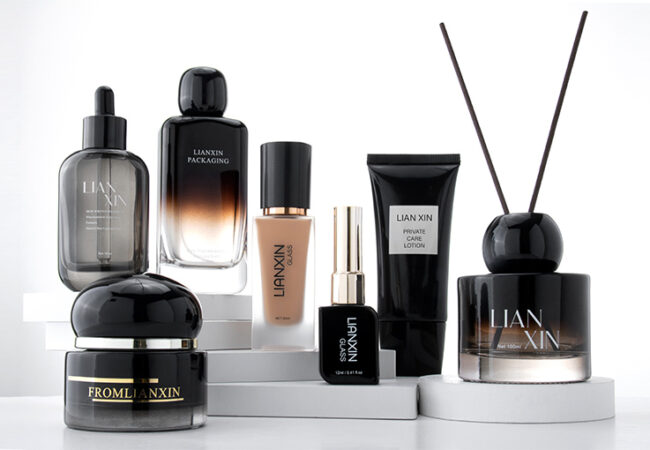
Beyond privacy and decoration, printed frosted glass offers unique branding opportunities. Businesses can reinforce their identity by integrating logos, slogans, or custom graphics directly onto glass surfaces. This approach is not limited to offices; retail stores, restaurants, and even residential spaces can benefit from personalized glass elements.
For more ideas on using glass creatively in interiors, check out our guide to creative uses of printed glass. If you’re considering glass for promotional or display purposes, our article on branding opportunities with printed glass provides further insights.
Maintenance and Longevity of Printed Frosted Glass
One of the advantages of frosted glass is its low maintenance requirements. The matte surface hides smudges and fingerprints better than clear glass, and most printed finishes are resistant to fading and scratching. Regular cleaning with a soft cloth and mild detergent will keep the glass looking its best. For high-traffic commercial spaces, it’s important to choose printing methods and inks that are specifically designed for durability.
Frequently Asked Questions
Can frosted glass printing be used outdoors?
Yes, many frosted glass printing applications are suitable for outdoor use, provided the correct inks and protective coatings are used. Always consult with your supplier to ensure weather resistance for exterior installations.
Is it possible to remove or change a printed frosted design?
Some methods, like vinyl overlays, can be removed or replaced. However, permanent techniques such as chemical etching or screen printing are not reversible. Plan your designs carefully to avoid costly changes later.
How does frosted glass printing compare to traditional etched glass?
While both offer a similar matte appearance, printed frosted glass allows for more detailed and colorful designs. Etched glass is typically more durable but is limited to single-color, texture-based effects.
Conclusion
Frosted glass printing continues to gain popularity for its blend of privacy, style, and versatility. Whether you’re updating your home or designing a modern office, this technology provides a practical and attractive solution for a wide range of needs. By understanding the available techniques and applications, you can make the most of this innovative approach to interior design. For those interested in the technical side, our article on smart device glass printing explores advanced coatings and precision methods for specialized uses.