The evolution of glass printing for consumer products has transformed how brands approach packaging, product design, and customer engagement. From beverage bottles and cosmetic jars to high-end electronics and home décor, printed glass surfaces now serve as both functional and expressive elements. Modern branding strategies increasingly rely on innovative glass decoration techniques to differentiate products, communicate brand values, and capture consumer attention in crowded markets.
This guide explores the latest methods, benefits, and trends in glass printing across consumer industries. Whether you’re a brand manager, designer, or manufacturer, understanding these techniques can help you make informed decisions about product presentation and market positioning. For those interested in avoiding pitfalls, our article on common mistakes in glass printing provides practical tips for achieving consistent, high-quality results.

Why Printed Glass Matters in Modern Branding
Printed glass offers more than just visual appeal. It enables brands to create a tactile and memorable product experience. Unlike labels or stickers, direct printing on glass is durable, resistant to moisture and abrasion, and seamlessly integrates with the product’s form. This permanence is especially valuable for items like perfume bottles, beverage containers, and luxury packaging, where the look and feel of the product are as important as its contents.
In addition, glass printing supports a wide range of creative options, from vibrant full-color graphics to subtle frosted effects and metallic finishes. These capabilities allow brands to reinforce their identity, convey product information, and even incorporate interactive or functional elements such as QR codes or anti-counterfeit marks.
Techniques Used in Glass Printing for Consumer Products
Several methods are commonly used to apply graphics and branding elements to glass surfaces. Each technique offers distinct advantages depending on the desired look, production scale, and budget.
- Screen Printing: This traditional process pushes ink through a mesh stencil onto the glass. It’s ideal for bold, opaque colors and is widely used for bottles, jars, and drinkware. Screen printing is cost-effective for medium to large runs and offers excellent durability.
- Digital UV Printing: Digital printers use UV-curable inks to apply detailed, full-color images directly onto glass. This method supports short runs, variable data, and complex designs. It’s increasingly popular for personalized products and limited editions.
- Pad Printing: A silicone pad transfers ink from an etched plate to the glass surface. Pad printing is suitable for small, irregular, or curved items like cosmetic caps and electronic device covers.
- Etching and Sandblasting: These processes create frosted or textured effects by removing a thin layer of glass. While not technically printing, they are often combined with printed graphics for added depth and sophistication.
- Decal Application: Ceramic or organic decals are printed on transfer paper and then fused to the glass in a kiln. This technique is common for intricate designs and multicolor graphics, especially on tableware.
For a deeper dive into the technical aspects and options available, see this comprehensive guide to glass printing techniques.

Applications of Glass Printing Across Industries
The versatility of glass printing for consumer products makes it a valuable tool in many sectors. Here are a few notable applications:
- Beverages: Printed glass bottles for wine, spirits, and craft beverages often feature intricate branding, limited-edition artwork, and tamper-evident markings.
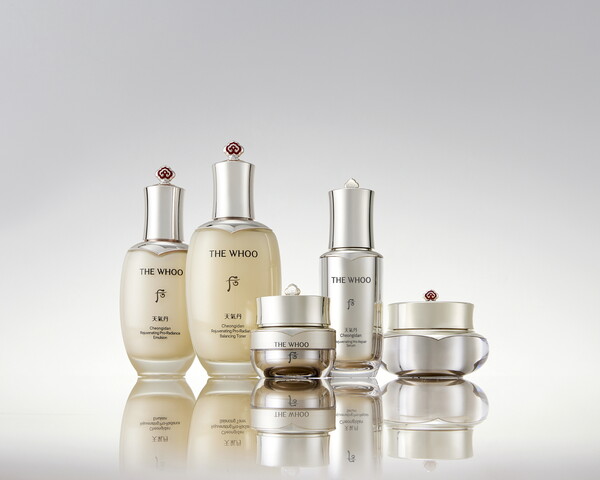
- Cosmetics & Personal Care: High-end jars and bottles use direct printing for a premium, label-free look that stands up to oils and moisture.
- Home Décor: Decorative vases, candle holders, and tableware leverage printed glass to add color, patterns, and personalization.
- Electronics: Device covers and smart home products use printed glass for logos, icons, and touch-sensitive controls. For more on this, explore our article on smart device glass printing.
- Luxury Packaging: Perfume bottles and giftware use advanced printing and etching to create a sense of exclusivity and craftsmanship.
Benefits of Direct Printing on Glass Products
Choosing direct printing over labels or sleeves delivers several advantages:
- Durability: Printed graphics are resistant to scratching, fading, and peeling, ensuring the product looks new throughout its lifecycle.
- Premium Appearance: Direct printing creates a seamless, high-end look that enhances perceived value and shelf appeal.
- Design Flexibility: Brands can experiment with colors, textures, and finishes to create unique visual effects.
- Sustainability: Eliminating adhesive labels reduces waste and supports recycling efforts, aligning with eco-conscious consumer trends.
- Functional Integration: Printed elements can include barcodes, batch numbers, or interactive features without disrupting the design.
Trends and Innovations in Glass Printing
The field of glass printing for consumer products continues to evolve as new technologies and market demands emerge. Some notable trends include:
- Personalization: Digital printing allows brands to offer custom graphics, names, or messages on individual products, catering to the growing demand for unique, personalized items.
- Smart Features: Printed glass can incorporate conductive inks or sensors, enabling touch controls or connectivity in smart devices and appliances.
- Sustainable Inks and Processes: Eco-friendly inks and energy-efficient curing methods are becoming standard as brands prioritize environmental responsibility.
- Interactive Branding: QR codes and augmented reality markers printed directly on glass create new opportunities for consumer engagement and product authentication.
For creative inspiration, see our article on creative uses of printed glass in interior design and branding.
Best Practices for High-Quality Glass Decoration
Achieving consistent, vibrant, and long-lasting results requires attention to detail at every stage. Here are some best practices:
- Surface Preparation: Clean, degrease, and dry glass thoroughly before printing to ensure ink adhesion and prevent defects.
- Ink Selection: Choose inks formulated for glass, considering factors like colorfastness, chemical resistance, and curing requirements.
- Process Control: Monitor temperature, humidity, and curing times closely to avoid inconsistencies or failures.
- Quality Assurance: Inspect printed products for color accuracy, registration, and durability before packaging.
- Regulatory Compliance: Ensure all materials and processes meet safety and environmental standards relevant to your industry and market.
For more insights into advanced applications, explore our guide on high end interior glass applications for luxury environments.
FAQ
What is the most durable method for printing on glass consumer products?
Screen printing and ceramic decal application are among the most durable methods. Both processes create graphics that can withstand washing, abrasion, and exposure to chemicals. For maximum longevity, especially on items like drinkware or bottles, ceramic inks fused at high temperatures are recommended.
Can glass printing be used for small production runs or personalized items?
Yes, digital UV printing is ideal for short runs and personalized products. It allows for quick setup, variable data, and high-resolution graphics without the need for screens or plates. This makes it cost-effective for custom gifts, limited editions, or promotional items.
Are printed glass products recyclable?
Most printed glass items remain recyclable, especially when using eco-friendly inks and avoiding heavy metal pigments. Direct printing eliminates the need for adhesive labels, which can interfere with recycling processes. Always check local recycling guidelines for specific requirements.
Conclusion
The use of glass printing for consumer products is a powerful way to elevate branding, enhance product value, and meet the expectations of today’s discerning consumers. By choosing the right techniques and following best practices, brands can create memorable, durable, and sustainable packaging and products that stand out on the shelf and in the hands of customers.
For those interested in maximizing the impact of printed glass in retail and display environments, our article on branding opportunities with printed glass offers additional strategies and inspiration.