
The packaging sector is experiencing a significant transformation, largely driven by advances in inkjet printing. As brands seek faster turnaround, greater customization, and more sustainable solutions, digital print methods are rapidly replacing traditional analog processes. Understanding how inkjet technology is changing packaging helps businesses adapt to new market demands and maintain a competitive edge.
This article explores the impact of inkjet innovation on packaging standards, from improved efficiency and design flexibility to environmental benefits. For those interested in related developments, you may also want to read about how to achieve high-quality graphics on recycled paper, which addresses another key trend in sustainable packaging.
Key Drivers Behind Inkjet’s Rise in Packaging
Several factors are fueling the adoption of digital inkjet methods in packaging production. The shift is not just about speed, but also about meeting evolving consumer and regulatory expectations. Here are the most influential drivers:
- Shorter print runs: Brands increasingly require limited-edition, seasonal, or personalized packaging. Inkjet excels at producing small batches cost-effectively.
- Customization: Digital workflows make it easy to vary graphics, text, or barcodes from one package to the next, enabling targeted marketing and regionalization.
- Faster time to market: Without the need for plates or lengthy setup, inkjet allows packaging to move from design to production in days rather than weeks.
- Sustainability: With less waste, lower energy use, and compatibility with recycled substrates, inkjet supports eco-friendly initiatives.
How Inkjet Printing Improves Efficiency and Flexibility
Traditional packaging print methods like flexography and offset are efficient for long runs but lack agility. Inkjet technology, by contrast, offers unmatched flexibility. Here’s how:
- On-demand production: Manufacturers can print exactly what is needed, reducing inventory and storage costs.
- Rapid prototyping: New designs can be tested and revised quickly, supporting innovation and faster product launches.
- Variable data printing: Each package can feature unique information, such as QR codes, serialization, or localized content, without slowing down the line.
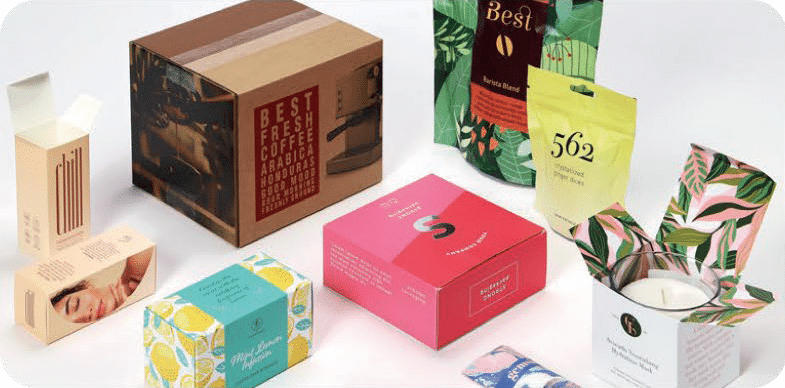
Design Possibilities Unlocked by Digital Printing
The creative potential of inkjet in packaging is vast. Designers are no longer limited by the constraints of analog print plates or color separations. Some of the most notable advances include:
- Full-color graphics: High-resolution imagery and vibrant colors are now possible on a wide range of substrates, including corrugated, folding cartons, and flexible films.
- Personalization at scale: Brands can offer unique artwork or messaging for different customer segments, events, or even individual recipients.
- Special effects: Advanced inkjet presses can apply spot varnishes, textures, and even tactile elements, enhancing shelf appeal and sensory engagement. For more on sensory packaging, see how to use haptic elements in packaging.
Environmental Benefits and Sustainability Trends
As sustainability becomes a central concern, inkjet printing offers several advantages over legacy processes:
- Reduced waste: Digital methods eliminate the need for plates and make-ready sheets, minimizing material usage.
- Lower energy consumption: Inkjet presses often require less energy than traditional machines, especially for short runs.
- Eco-friendly inks and substrates: Many inkjet systems are compatible with water-based inks and recycled materials, supporting circular economy goals.
These improvements align with the growing demand for greener packaging and help brands meet regulatory requirements and consumer expectations.

Impact on Packaging Supply Chains and Market Trends
The adoption of inkjet solutions is reshaping supply chains. With the ability to print closer to the point of packing or even on-demand, companies can reduce lead times and adapt more quickly to changes in demand.
- Decentralized production: Digital presses can be installed at multiple locations, supporting just-in-time manufacturing and reducing shipping costs.
- Inventory reduction: Brands can avoid overproduction and obsolete stock by printing only what is needed, when it is needed.
- Enhanced agility: Quick changes to artwork or regulatory information can be implemented without costly delays.
For a deeper look at how digital advancements are influencing corrugated packaging, see this overview of digital printing advancements in corrugated packaging.
Challenges and Considerations for Adopting Inkjet
While the benefits are substantial, there are also challenges to consider when integrating inkjet into packaging operations:
- Initial investment: High-quality digital presses require significant upfront costs, though these may be offset by long-term savings.
- Ink and substrate compatibility: Not all inks work with every material, so testing is essential to ensure print quality and durability.
- Workflow integration: Adapting existing processes and staff to digital workflows may require training and process adjustments.
Despite these hurdles, the long-term advantages of flexibility, speed, and sustainability are driving widespread adoption across the industry.
Looking Ahead: The Future of Digital Packaging
As inkjet technology continues to evolve, its influence on packaging standards will only grow. Expect further improvements in print speed, resolution, and ink chemistry, as well as greater integration with automation and data-driven production.
The convergence of digital print with smart packaging, e-commerce, and sustainability initiatives will shape the next era of packaging innovation. For more insights on related topics, explore the impact of e-commerce on packaging printing trends and how brands are adapting to new consumer behaviors.
Frequently Asked Questions
What types of packaging benefit most from inkjet printing?
Inkjet is especially beneficial for short-run, customized, or variable-data packaging. This includes folding cartons, corrugated boxes, flexible packaging, and labels for food, beverage, cosmetics, and promotional products.
How does inkjet printing support sustainability in packaging?
Digital methods reduce waste by eliminating plates and overruns, use less energy for short runs, and are compatible with recycled and eco-friendly substrates. Many systems also use water-based inks, further minimizing environmental impact.
Is inkjet printing cost-effective for large-scale packaging production?
While inkjet excels at short and medium runs, advances in press speed and ink efficiency are making it increasingly viable for longer runs. Cost-effectiveness depends on job size, design complexity, and the need for customization.
Can inkjet presses produce tactile or specialty effects?
Yes, many modern inkjet systems can apply spot varnishes, raised textures, and other special effects, enhancing the sensory and visual appeal of packaging.
What should brands consider before switching to digital packaging production?
Brands should evaluate their print volumes, customization needs, substrate compatibility, and the potential for workflow integration. Partnering with experienced digital print providers can help ensure a smooth transition.