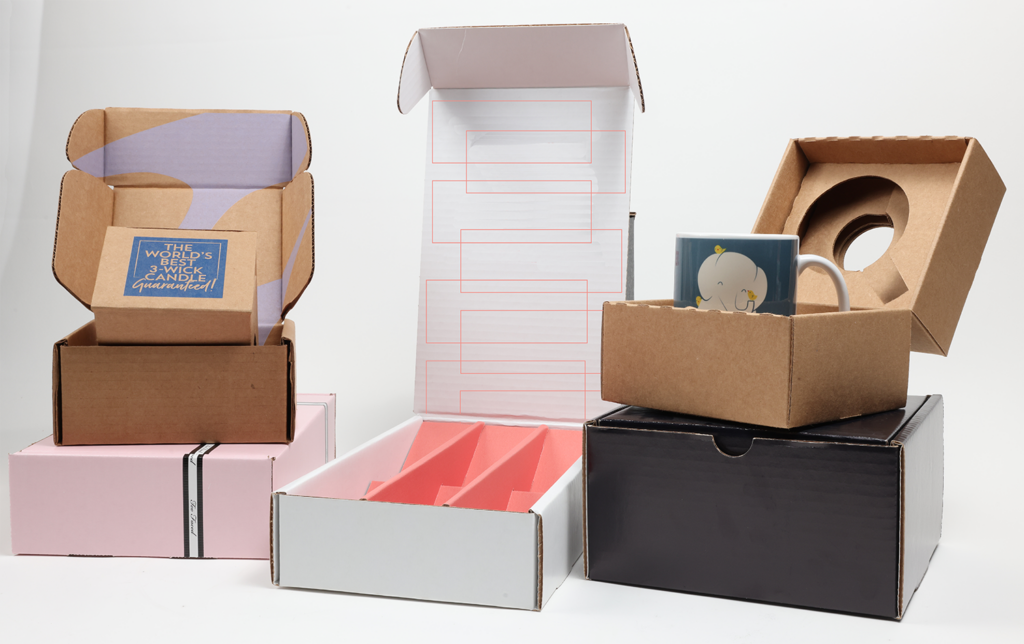

Print design is evolving rapidly, and tactile finishes are now central to how brands communicate quality and uniqueness. This guide to texture and embossing trends explores the latest techniques, materials, and creative applications that are shaping packaging, marketing collateral, and specialty print projects. Whether you’re a designer, marketer, or print buyer, understanding these advancements will help you make informed decisions and create memorable printed pieces.
From subtle raised patterns to bold, multi-sensory effects, the world of print finishing is more diverse than ever. As consumer expectations shift toward premium experiences, businesses are leveraging texture and embossing to stand out on shelves and in the hands of customers. Before diving into the main trends, it’s worth noting that digital innovations are making these effects more accessible and customizable, opening new creative possibilities.
For those interested in how digital processes are streamlining packaging development, see what is digital prototyping for packaging to learn how rapid prototyping is influencing print trends.
Why Tactile Finishes Matter in Modern Print
Physical touch is a powerful way to create memorable brand experiences. Textured surfaces and embossed details add a layer of engagement that digital media cannot replicate. When customers pick up a package or brochure with a unique feel, it instantly communicates value and attention to detail. This is especially important in sectors like luxury goods, food packaging, and cosmetics, where first impressions are critical.
Recent studies show that consumers are more likely to remember and trust brands that invest in high-quality print finishes. Tactile elements can also guide user interaction, highlight key information, and reinforce brand identity through sensory cues.
Key Texture and Embossing Techniques
There are several popular methods for adding dimension and feel to printed materials. Each has its own advantages and best-use scenarios:
- Embossing: This classic technique raises specific areas of the paper or board, creating a three-dimensional effect. It’s commonly used for logos, titles, or decorative patterns.
- Debossing: The opposite of embossing, debossing presses the design into the substrate, resulting in an indented effect. It’s often paired with foil stamping for added contrast.
- Textured Varnishes: Spot UV, soft-touch, and sandpaper varnishes can be applied to create smooth, matte, or gritty surfaces. These finishes are popular for business cards, book covers, and packaging.
- Raised UV Coating: This digital process applies thick, glossy layers in precise locations, producing a tactile, high-gloss effect that stands out visually and to the touch.
- Multi-Level Embossing: Advanced dies allow for varying depths within a single embossed area, resulting in intricate, sculpted designs.
Emerging Trends in Print Texture and Embossing
As technology advances, new trends are emerging in the world of tactile print finishes. Here are some of the most notable developments:
Personalization and Short Runs
Digital embossing and textured coatings now make it possible to produce customized, short-run projects with minimal setup costs. Brands can personalize packaging or promotional materials for specific campaigns, events, or customer segments, adding a bespoke touch that was once reserved for large orders.
Sustainable Materials and Processes
Eco-friendly substrates and water-based coatings are gaining traction as brands seek to balance luxury with environmental responsibility. Recycled papers, biodegradable films, and energy-efficient embossing methods are now widely available, allowing companies to create premium tactile effects without compromising sustainability goals.
Multi-Sensory Packaging
Combining texture with visual and even olfactory elements is becoming more common. For example, a package might feature a raised pattern, metallic foil, and a subtle scent, all working together to create a memorable unboxing experience. This approach is especially effective in food, beverage, and beauty packaging, where sensory engagement drives brand loyalty.
Applications Across Industries
Textured and embossed finishes are being adopted across a wide range of sectors. Here’s how different industries are leveraging these techniques:
- Luxury Packaging: High-end brands use multi-level embossing and soft-touch coatings to convey exclusivity and craftsmanship.
- Food and Beverage: Tactile finishes help products stand out on crowded shelves and communicate freshness or artisanal quality.
- Cosmetics: Embossed logos and textured boxes reinforce a sense of sophistication and attention to detail.
- Corporate Materials: Business cards, folders, and invitations with raised or indented elements make a lasting impression in professional settings.
For more on how packaging design is evolving for younger consumers, the article on how to design packaging for gen z consumers explores trends and values shaping the next generation of print.
How Digital Printing Is Shaping Tactile Trends
The shift toward digital print technology is making it easier to experiment with textures and embossing. Digital presses can apply raised coatings, simulate embossing, and produce short runs with variable data, all without the need for expensive dies or lengthy setup times. This flexibility allows for rapid prototyping, quick changes, and even on-demand production.
According to recent advancements in digital printing for corrugated packaging, brands are now able to combine high-impact graphics with tactile finishes at scale, opening new possibilities for both large and small businesses.

Best Practices for Designing with Texture and Embossing
To maximize the impact of tactile finishes, consider the following tips:
- Start with the End in Mind: Identify the purpose of the piece and the desired emotional response. This will guide your choice of materials and finishes.
- Balance Visual and Tactile Elements: Use texture to highlight important features, but avoid overloading the design. Subtlety often creates a more refined effect.
- Test and Prototype: Work closely with your print provider to create samples. This ensures that the final result matches your vision and works with the chosen substrate.
- Consider Accessibility: Raised elements can aid visually impaired users, but excessive embossing may hinder readability. Strive for a balance between aesthetics and function.
- Stay Informed: Keep up with new materials and technologies, such as what is holographic lamination and other specialty finishes, to expand your creative toolkit.
FAQ: Texture and Embossing in Print
What is the difference between embossing and debossing?
Embossing raises a design above the surface of the paper or board, creating a three-dimensional effect you can feel. Debossing, on the other hand, presses the design into the material, resulting in an indented look and feel. Both techniques add tactile interest, but the choice depends on the desired visual and sensory outcome.
Are textured and embossed finishes environmentally friendly?
Many modern print providers offer sustainable options, including recycled papers, water-based coatings, and energy-efficient processes. It’s important to discuss your sustainability goals with your printer to select the best combination of materials and finishes for your project.
Can digital printing achieve the same tactile effects as traditional methods?
Digital printing has advanced significantly, allowing for raised UV coatings, simulated embossing, and other textured effects without the need for custom dies. While some traditional techniques offer deeper relief, digital methods provide flexibility, cost savings, and fast turnaround for short runs and personalized projects.
Conclusion
Staying current with texture and embossing trends is essential for anyone involved in print design or packaging. By leveraging the latest techniques and materials, brands can create tactile experiences that resonate with customers and differentiate their products. As technology continues to evolve, expect even more innovative and sustainable options to emerge, making it easier than ever to add a premium touch to any printed piece.