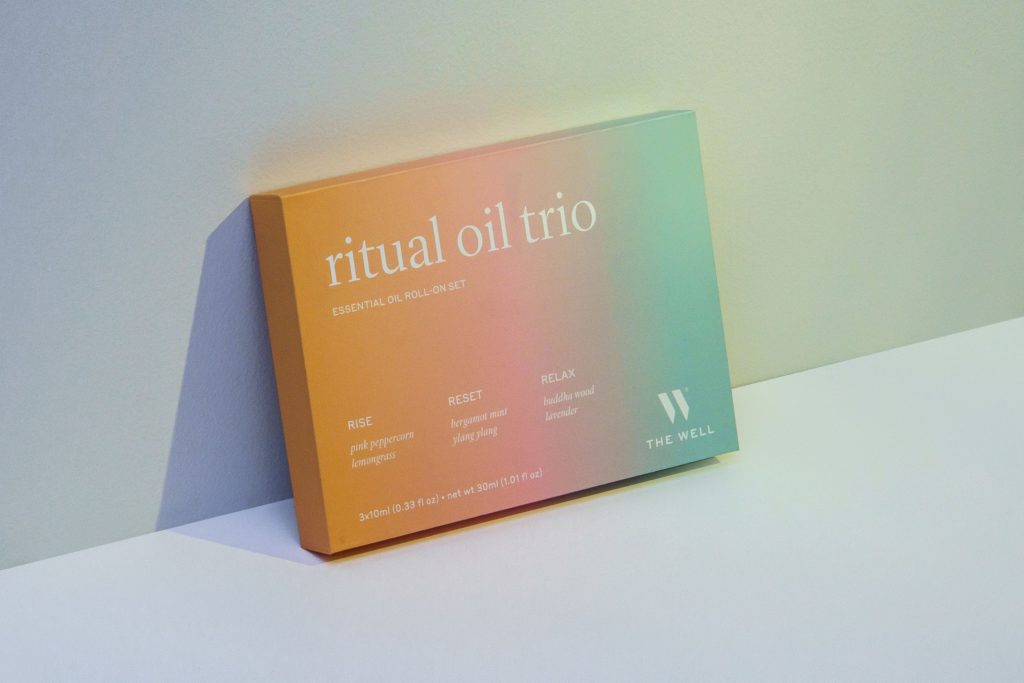

Achieving cross-channel brand consistency in print is essential for businesses that want to build trust and recognition across every touchpoint. With customers interacting with brands through packaging, brochures, direct mail, and more, ensuring a unified visual and messaging experience is no longer optional—it’s a necessity. This guide explores practical strategies for maintaining a cohesive identity across all printed materials, from color management to layout choices, and highlights why this matters for both customer perception and business growth.
Before diving into the core principles of how to design for cross-channel brand consistency, it’s important to recognize the role of prototyping and sustainable sourcing. For example, leveraging what is digital prototyping for packaging can help you test and refine your designs before committing to large print runs, while choosing sustainable materials supports both your brand values and customer expectations.
Why Consistency Matters in Print Branding
Consistent branding across printed materials is more than just matching colors and logos. It’s about creating a seamless experience that reassures customers they’re interacting with the same company, whether they’re unboxing a product, reading a flyer, or receiving a direct mail piece. Inconsistent design can confuse customers, dilute your message, and weaken brand loyalty.
Maintaining a unified look and feel also supports marketing efforts by making campaigns more recognizable and memorable. This is especially important when print is just one part of a larger omnichannel strategy that includes digital, retail, and experiential touchpoints.
Core Elements of Cross-Channel Print Design
To ensure your print assets reinforce your brand identity, focus on these foundational elements:
- Color Consistency: Use standardized color profiles and swatches. Employing cloud-based color management tools, as discussed in the benefits of cloud-based color management, helps maintain accuracy across different printers and substrates.
- Typography: Stick to a defined set of typefaces and font weights. Avoid substituting fonts, as even minor changes can affect brand perception.
- Logo Usage: Always use approved logo files at the correct size and placement. Maintain clear space around logos to prevent visual clutter.
- Imagery and Graphics: Select images and illustrations that align with your brand’s tone and style guidelines. Consistent use of filters, treatments, or iconography reinforces recognition.
- Messaging and Voice: Ensure that taglines, calls to action, and messaging are aligned in tone and content across all print pieces.
Designing Print Materials for Multiple Channels
When planning print assets for various channels—such as packaging, inserts, catalogs, and signage—consider how each piece fits into the broader brand ecosystem. Here are some steps to guide your process:
- Audit Existing Materials: Review all current print assets to identify inconsistencies in color, typography, or messaging.
- Create a Comprehensive Brand Guide: Document all visual and messaging standards, including print-specific guidelines for bleeds, margins, and finishes.
- Leverage Prototyping: Use digital prototyping to preview how designs will appear in print, minimizing costly errors and ensuring alignment across channels.
- Standardize Templates: Develop reusable templates for common print formats. This streamlines production and reduces the risk of off-brand variations.
- Collaborate with Print Partners: Share your brand guidelines with print vendors and request proofs to verify color and quality before full production.

Maintaining Visual Identity Across Print Channels
Keeping your visual identity intact across different print formats requires attention to detail and a proactive approach. Here’s how to ensure your brand remains unmistakable, regardless of the medium:
- Color Management: Use Pantone or CMYK values specified in your brand guide. Consider investing in digital color calibration tools to minimize discrepancies between digital proofs and final prints.
- Paper and Substrate Choices: Different materials can affect how colors and images appear. Refer to resources like the guide to eco-certified paper sources for printing to select substrates that align with both your brand and sustainability goals.
- Print Effects: Special finishes such as embossing, foil stamping, or spot UV can enhance brand perception but should be used consistently and in accordance with your guidelines. For creative effects, see tips on how to use gradients in digital packaging print effectively.

Adapting to Print Technology and Trends
Print technology is evolving rapidly, and staying updated can help you maintain consistency while embracing new opportunities. For instance, digital printing offers flexibility for short runs and personalization, but it requires careful calibration to match offset print standards. Explore insights into the future of digital print to understand how innovations can support your brand’s consistency goals.
Additionally, trends like custom tissue paper and branded inserts are becoming popular for e-commerce packaging. To stay ahead, review the latest trends in custom tissue paper and inserts and consider how these elements can reinforce your brand story.
Best Practices for Print Brand Alignment
To ensure your printed materials always reflect your brand accurately, follow these best practices:
- Centralize your brand assets in a digital library accessible to all team members and vendors.
- Schedule regular reviews of printed materials to catch inconsistencies early.
- Train staff and partners on your brand guidelines, emphasizing the importance of adherence.
- Request print proofs and conduct side-by-side comparisons with digital assets before approving production.
- Document lessons learned from each campaign to refine your process over time.
Frequently Asked Questions
What are the main challenges in achieving brand consistency across print channels?
The biggest challenges include color variation due to different printers and substrates, inconsistent use of logos or fonts, and lack of clear brand guidelines. Collaboration with vendors and regular audits can help address these issues.
How can digital prototyping help with print brand consistency?
Digital prototyping allows you to visualize and test print designs before full production. This helps catch errors, ensure colors and layouts match your standards, and reduces costly mistakes in large print runs.
Why is it important to use eco-certified paper sources for printed materials?
Eco-certified papers support sustainability goals and appeal to environmentally conscious consumers. They also ensure consistent print quality and align with modern brand values, as detailed in resources like the guide to eco-certified paper sources for printing.