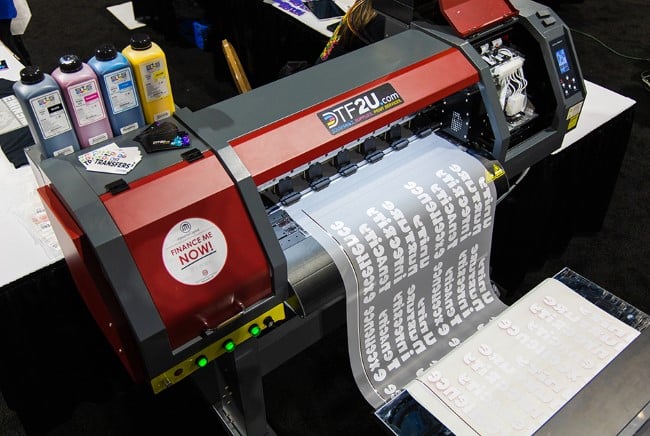

Choosing the right printing technology is crucial for businesses and individuals looking to balance print quality, durability, environmental impact, and cost. Two of the most popular options for wide-format and signage applications are eco solvent ink and latex printing. Each method offers unique benefits and potential drawbacks, making it important to understand how they compare in real-world scenarios.
This article provides a detailed look at the differences between these two technologies, including print quality, media compatibility, environmental considerations, and maintenance needs. If you’re dealing with issues like eco solvent ink clogging solutions or exploring greener printing alternatives, this guide will help you make an informed decision.
Understanding Eco Solvent Ink Technology
Eco solvent inks are formulated with mild, biodegradable solvents that emit fewer volatile organic compounds (VOCs) compared to traditional solvent inks. These inks are widely used for outdoor signage, vehicle wraps, and banners due to their durability and weather resistance. The term “eco” refers to the reduced environmental impact, not a completely green process, but a significant improvement over older solvent-based systems.
The printing process involves heating the ink so it penetrates the surface of compatible media, creating vivid, long-lasting images. Eco solvent printers are known for their ability to produce sharp details and vibrant colors, especially on vinyl and other coated substrates.
How Latex Printing Works
Latex printing uses water-based inks that contain latex polymers. When heated, these polymers form a flexible, durable film on the surface of the print media. This technology is recognized for its low odor, fast drying times, and the ability to print on a wide range of materials, including paper, textiles, and uncoated substrates.
Latex printers are often chosen for applications where environmental safety and indoor air quality are priorities, such as in schools, hospitals, and retail environments. The prints are typically ready to use immediately after printing, without the need for additional curing or off-gassing.
Print Quality and Color Performance
Both eco solvent and latex printers deliver high-quality results, but there are subtle differences worth considering:
- Eco solvent inks tend to produce slightly richer colors and deeper blacks, making them a favorite for outdoor graphics where vibrancy and contrast are important.
- Latex printing offers excellent color accuracy and consistency, particularly on a broader range of media, including fabrics and wallpapers.
- Fine details and gradients are achievable with both technologies, but some users report that eco solvent prints have a smoother finish on vinyl.
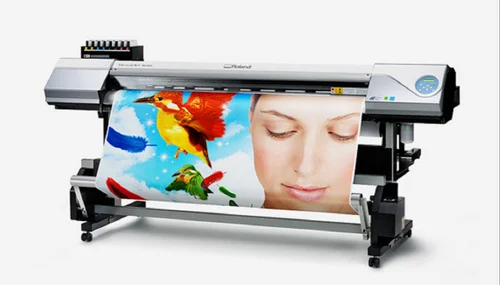
Media Compatibility and Application Flexibility
One of the main differences between these two printing methods is the range of materials they can handle:
- Eco solvent printers work best with coated media, such as vinyl, banners, and specialty films. They are ideal for outdoor signage, vehicle graphics, and applications requiring weather resistance.
- Latex printers are more versatile, supporting both coated and uncoated substrates. This makes them suitable for indoor décor, canvas prints, textiles, and wall coverings.
- For businesses needing to print on a variety of surfaces, latex technology may offer greater flexibility.
Environmental Impact and Safety Considerations
Environmental concerns are increasingly important in the printing industry. Here’s how the two technologies compare:
- Eco solvent inks emit lower VOCs than traditional solvents, but still require proper ventilation during use. They are less hazardous, but not completely free of environmental impact.
- Latex inks are water-based and virtually odorless, producing minimal emissions. They are often certified for use in sensitive environments and are considered safer for operators and end-users.
- For organizations prioritizing green printing, latex may be the preferred choice, though eco solvent technology is a significant step up from older solvent systems.
For more on the environmental benefits of eco solvent processes, see eco solvent ink green printing.
Durability and Outdoor Performance
When it comes to longevity and resistance to the elements, both options perform well, but with some distinctions:
- Eco solvent prints are highly durable outdoors, with excellent resistance to UV light, water, and abrasion. They are often chosen for vehicle wraps and outdoor banners.
- Latex prints are also durable, but may require lamination for extended outdoor use, especially in harsh conditions.
- For short-term indoor displays, latex prints are typically ready to use immediately, while eco solvent prints may need a short curing period.
Maintenance and Operational Considerations
Maintenance requirements can influence the total cost of ownership and day-to-day workflow:
- Eco solvent printers may require more frequent cleaning to prevent nozzle clogging and ink buildup. For troubleshooting, resources like eco solvent ink banding problem and eco solvent ink smudging problem can be helpful.
- Latex printers generally have automated maintenance routines and are less prone to ink drying in the printhead, reducing downtime.
- Both systems benefit from regular use and adherence to manufacturer guidelines.

Cost Factors and Long-Term Value
Budget considerations often play a major role in technology selection:
- Eco solvent printers typically have a lower initial purchase price and ink costs, making them attractive for small businesses and startups.
- Latex printers may require a higher upfront investment, but can offer savings in maintenance and media flexibility over time.
- Consider the total cost of ownership, including energy consumption, ink usage, and maintenance supplies.
When to Choose Each Printing Method
The decision between these two printing technologies depends on your specific needs:
- Choose eco solvent for outdoor durability, vibrant colors, and lower equipment costs.
- Opt for latex printing if you need versatility, environmental certifications, and fast turnaround for indoor applications.
- Evaluate your primary print jobs, workspace ventilation, and long-term business goals before making a choice.
For a deeper dive into eco solvent ink chemistry and its digital printing applications, see this comprehensive guide to eco solvent digital ink.
Frequently Asked Questions
What are the main environmental differences between eco solvent and latex printing?
Eco solvent inks emit fewer VOCs than traditional solvents but still require some ventilation. Latex inks are water-based, produce minimal emissions, and are often certified for indoor use, making them a greener option for sensitive environments.
Which printing method offers better outdoor durability?
Eco solvent prints are generally more resistant to UV, water, and abrasion, making them ideal for long-term outdoor use. Latex prints are durable but may need lamination for extended exposure to harsh weather.
Can I use both eco solvent and latex printers for the same types of media?
Latex printers are more versatile, supporting a wider range of media including uncoated papers and textiles. Eco solvent printers perform best with coated substrates like vinyl and banners.
How do maintenance requirements compare?
Eco solvent printers may need more frequent manual cleaning to prevent clogs, while latex printers often feature automated maintenance and are less prone to ink drying issues.
Are there resources for troubleshooting common eco solvent ink issues?
Yes, you can find guides for eco solvent ink cracking and other common problems to help maintain print quality and equipment longevity.