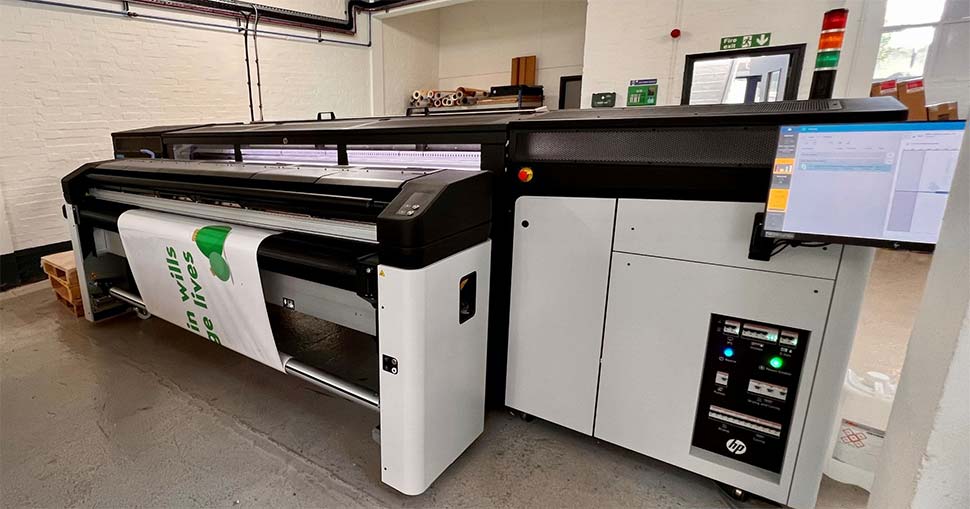

Businesses and organizations seeking vibrant, durable, and eco-friendly signage solutions are increasingly turning to latex printing for signage. This innovative technology delivers exceptional image quality and versatility for both indoor and outdoor applications. Whether you need eye-catching retail displays, long-lasting banners, or weather-resistant outdoor signs, latex-based print methods offer a compelling mix of performance and sustainability.
In this article, we’ll explore how latex print technology works, its key benefits, and why it’s become a preferred choice for modern signage. If you’re interested in related advancements in print and packaging, you might also want to read about what is digital prototyping for packaging and how it can speed up production.
Understanding the Technology Behind Latex Printing
At its core, latex printing uses water-based inks that contain latex polymers. These inks are jetted onto the substrate and then cured using heat, forming a flexible, resilient layer. Unlike solvent-based methods, latex inks emit minimal volatile organic compounds (VOCs), making them safer for operators and the environment.
The process is compatible with a wide range of materials, including vinyl, textiles, paper, film, and even some specialty substrates. This flexibility allows print providers to produce everything from soft signage and wall graphics to vehicle wraps and billboards.
Key Advantages of Latex Printing for Signage Projects
Choosing latex printing for signage brings several notable benefits that set it apart from other large-format print technologies:
- Outstanding Image Quality: Latex printers deliver sharp details, smooth gradients, and vibrant colors, making graphics stand out in any setting.
- Durability and Weather Resistance: Prints are scratch-resistant and can withstand exposure to sunlight, rain, and temperature changes, making them ideal for outdoor use.
- Quick Turnaround: Prints come out dry and ready to use, so there’s no need for off-gassing or extended curing times.
- Eco-Friendly Credentials: Water-based latex inks are low-odor and non-flammable, supporting safer workplaces and easier compliance with environmental regulations.
- Versatility: Suitable for both rigid and flexible media, latex technology supports a broad range of signage needs from floor graphics to exhibition panels.

Comparing Latex Printing to Other Signage Methods
When evaluating print technologies for signage, it’s helpful to compare latex with alternatives like solvent, UV-curable, and eco-solvent printing:
| Feature | Latex | Solvent | UV-Curable |
|---|---|---|---|
| Ink Type | Water-based latex | Solvent-based | UV-curable |
| Dry Time | Instant | Requires off-gassing | Instant |
| Odor/VOCs | Low | High | Low |
| Outdoor Durability | Excellent | Very good | Excellent |
| Media Compatibility | Broad | Limited | Broad |
As the table shows, latex-based solutions offer a strong balance of speed, safety, and versatility. They are especially well-suited for environments where odor and environmental impact are concerns, such as schools, hospitals, and retail spaces.
Popular Applications for Latex-Printed Signage
The adaptability of latex printing for signage makes it a top choice for a wide variety of uses. Some common applications include:
- Retail Graphics: Window displays, point-of-purchase signs, and promotional banners.
- Outdoor Advertising: Billboards, event banners, and building wraps that withstand weather and UV exposure.
- Interior Decor: Wall murals, floor graphics, and custom wallpaper.
- Vehicle Wraps: Durable, flexible prints for cars, vans, and buses.
- Exhibition and Trade Show Displays: Portable graphics that are easy to transport and install.
For brands seeking to maintain color consistency across global campaigns, integrating cloud-based color management with latex workflows can further enhance results.
Environmental Impact and Safety Considerations
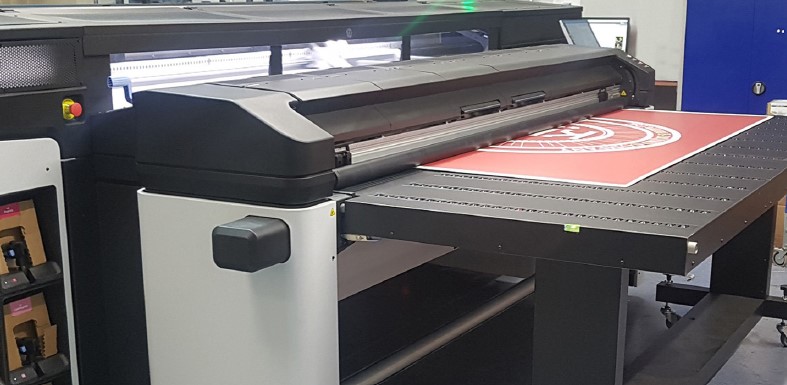
One of the main reasons many organizations choose latex-based printing is its positive environmental profile. The water-based formulation means fewer hazardous emissions compared to traditional solvent inks. Prints are odorless and safe for sensitive environments, and many latex printers are ENERGY STAR® certified for reduced energy consumption.
For a deeper look at the environmental pros and cons, you can review this comprehensive analysis of latex printing’s advantages and disadvantages.
Tips for Achieving the Best Results with Latex Signage
To maximize the quality and longevity of your signage, consider these practical tips:
- Calibrate Your Monitor: Use a reliable monitor calibrator to ensure accurate color matching between your design and the final print.
- Select the Right Media: Choose substrates specifically rated for latex inks to achieve optimal adhesion and finish.
- Maintain Your Printer: Regularly clean printheads and follow manufacturer maintenance schedules for consistent output.
- Use High-Quality Inks: Genuine latex ink cartridges provide the best performance and longevity.
- Test Before Large Runs: Print small samples to verify color, resolution, and durability before committing to full production.
If you’re exploring advanced finishing techniques, such as holographic lamination, you may also find value in learning about what is holographic lamination for eye-catching print effects.
FAQ: Latex Printing for Signage
Is latex printing suitable for both indoor and outdoor signage?
Yes, latex-printed graphics are highly versatile and perform well in both indoor and outdoor environments. The prints are resistant to fading, moisture, and abrasion, making them ideal for everything from retail displays to outdoor banners.
How does latex printing compare to eco-solvent printing?
While both methods offer good durability, latex uses water-based inks with lower VOC emissions, resulting in safer and more sustainable production. Latex prints also dry instantly, reducing turnaround times compared to eco-solvent processes.
What types of materials can be used with latex printers?
Latex printers are compatible with a broad range of substrates, including vinyl, fabric, paper, canvas, mesh, and specialty films. Always check the media manufacturer’s recommendations for best results.
Are latex inks environmentally friendly?
Yes, latex inks are water-based and emit very low levels of VOCs. They are non-flammable, odorless, and often meet strict environmental certifications, making them a responsible choice for sustainable signage.
Conclusion
For businesses and print professionals seeking a balance of quality, durability, and environmental responsibility, latex printing for signage stands out as a leading solution. Its ability to produce vivid, long-lasting graphics on a wide variety of materials makes it a smart investment for any signage project. By understanding the technology and following best practices, you can achieve outstanding results that meet the demands of modern branding and communication.
Interested in more print innovations? Discover how electron beam curing in printing is transforming the industry, or explore how to design packaging for Gen Z consumers to stay ahead of emerging trends.