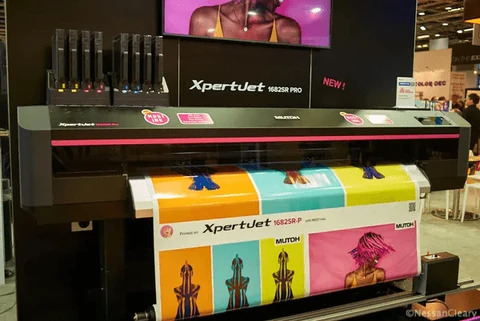

When considering eco solvent printing for banners, decals, or signage, one of the most common concerns is whether the resulting prints will withstand exposure to water. The question of is eco solvent ink waterproof is crucial for anyone producing graphics meant for outdoor or high-moisture environments. Understanding the water resistance of these inks, how they interact with different media, and what factors influence their durability can help you make informed decisions for your printing projects.
In this article, we’ll look at how eco solvent inks perform after printing, what makes them different from other ink types, and what you need to know to ensure your prints last as long as possible—even when exposed to the elements. If you’re interested in technical aspects or want to optimize your workflow, you might also find the eco solvent ink large format printing guide helpful for a deeper dive into print processes and best practices.
Understanding Eco Solvent Ink and Its Water Resistance
Eco solvent inks are formulated using mild, biodegradable solvents that carry the pigment or dye onto the print surface. Unlike traditional solvent inks, they emit fewer volatile organic compounds (VOCs), making them more environmentally friendly and suitable for indoor and outdoor use. One of the main advantages of these inks is their ability to bond strongly to coated and uncoated media, which directly impacts their resistance to water.
After printing, eco solvent inks undergo a curing process where the solvent evaporates, leaving the pigment embedded in or on the surface of the substrate. This process creates a durable, often water-resistant print. However, the actual level of water resistance depends on several factors, including the type of media, the curing time, and whether any protective coatings are applied.
How Waterproof Are Eco Solvent Prints?
The term “waterproof” can be misleading. While eco solvent prints are highly water-resistant, especially when fully cured, they are not entirely impervious to water under all conditions. For most practical applications—such as outdoor banners, vehicle wraps, and window graphics—these prints will withstand rain, splashes, and even washing without significant fading or smudging.
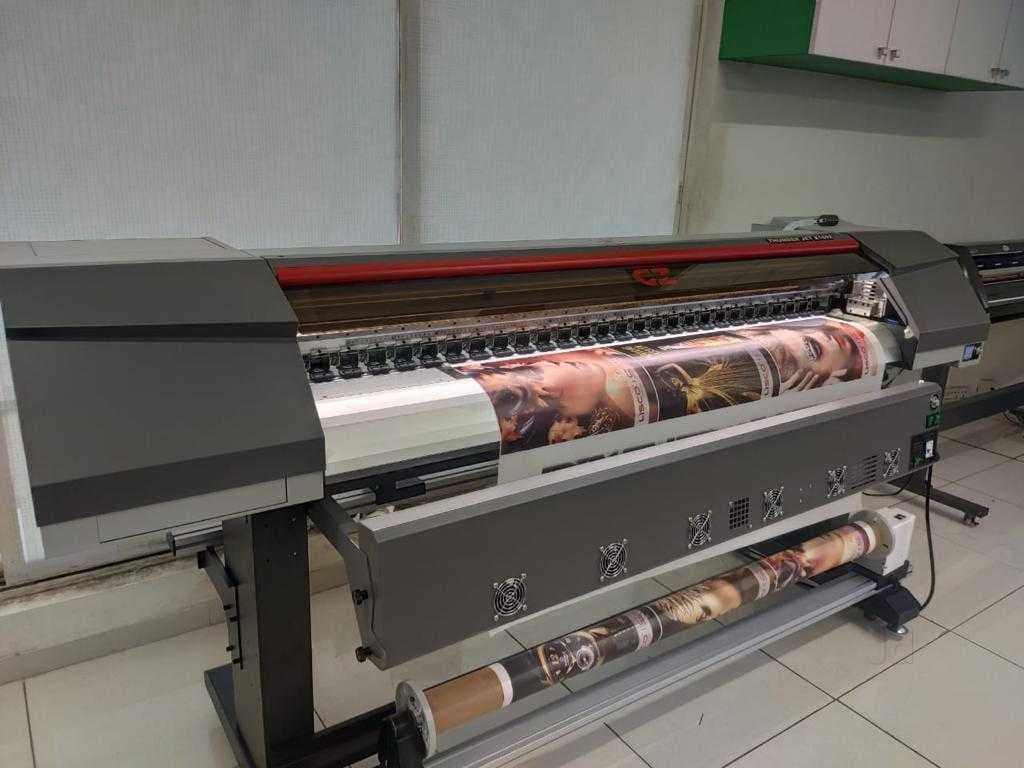
However, prolonged soaking, high-pressure washing, or exposure to harsh chemicals can eventually degrade the print. For applications where prints will be submerged or subject to extreme conditions, additional protective measures—such as overlaminates or clear coatings—are recommended.
Factors That Influence Water Resistance of Eco Solvent Inks
- Media Type: The substrate plays a significant role. Vinyl, banner materials, and coated papers designed for eco solvent printing offer the best water resistance. Uncoated or absorbent materials may not hold up as well.
- Curing Time: Prints need adequate time to cure. Most manufacturers recommend waiting at least 24 hours before exposing prints to moisture. This allows the ink to fully bond and the solvents to evaporate.
- Protective Coatings: Applying a laminate or clear coat can greatly enhance water resistance and protect against abrasion, UV light, and chemicals.
- Printer and Ink Quality: Using genuine, high-quality inks and maintaining your printer ensures optimal adhesion and durability.
Comparing Eco Solvent Ink to Other Ink Types
When evaluating is eco solvent ink waterproof compared to other ink technologies, it’s helpful to look at how it stacks up:
- Aqueous Inks: Water-based inks are generally not water-resistant unless used with special coated papers or overlaminated.
- Traditional Solvent Inks: These are highly durable and waterproof but have higher environmental and health risks due to strong solvents.
- UV-Curable Inks: Instantly cured by UV light, these inks are waterproof and scratch-resistant but require specialized equipment.
- Latex Inks: Offer good water resistance and flexibility, similar to eco solvent, but with different curing and application requirements.
For most signage and graphics, eco solvent prints offer an excellent balance of water resistance, environmental safety, and versatility.
Best Practices for Maximizing Water Resistance
To get the most out of your eco solvent prints, consider these practical tips:
- Always use media that is compatible with eco solvent inks. Check manufacturer recommendations for outdoor or waterproof applications.
- Allow prints to cure for the full recommended time before handling or exposing to moisture.
- For high-traffic or outdoor installations, apply a protective laminate or clear spray to extend print life and enhance water resistance.
- Store and transport prints carefully to avoid scratches or damage to the ink layer.
For more technical guidance on optimizing your print process, the eco solvent ink print calibration resource provides step-by-step advice on achieving the best results.
Applications Where Water Resistance Matters Most
The robust water resistance of eco solvent prints makes them a popular choice for:
- Outdoor banners and billboards
- Vehicle wraps and decals
- Window graphics and storefront signage
- Floor graphics in high-traffic areas
- Labels and stickers for products exposed to moisture
In industries where durability is critical, such as commercial and industrial printing, eco solvent technology offers a reliable solution. For a closer look at industrial uses, see the eco solvent ink industrial applications guide.
Expert Insights and Further Reading
For a comprehensive overview of how eco solvent printing works and its benefits, you can check out this in-depth article on eco solvent printing technology. It covers the chemistry behind the inks, application techniques, and tips for maximizing print longevity.
If you’re managing commercial print operations or want to streamline your workflow, the eco solvent ink commercial printing guide offers practical advice for business owners and print professionals.
Frequently Asked Questions
How long does it take for eco solvent ink to become water-resistant?
Most eco solvent prints achieve optimal water resistance after a full curing period, typically 24 hours. This allows the solvents to evaporate completely and the pigments to bond securely to the substrate. Handling or exposing prints to moisture before this period can compromise durability.
Do I need to laminate eco solvent prints for outdoor use?
While eco solvent prints are naturally water-resistant, lamination is recommended for outdoor applications or environments with heavy wear and tear. Laminates provide extra protection against UV light, abrasion, and harsh weather, extending the lifespan of your graphics.
Can eco solvent prints be used for items that will be washed or submerged?
For items that will be regularly washed or submerged, additional protective coatings or specialized substrates may be necessary. While eco solvent prints handle rain and splashes well, constant exposure to water or cleaning agents can eventually cause fading or delamination.
What substrates are best for waterproof eco solvent printing?
Vinyl, banner materials, and specially coated papers designed for eco solvent inks provide the best results for water resistance. Always verify media compatibility with your ink manufacturer to ensure optimal performance.
Conclusion
Eco solvent inks offer a strong level of water resistance after proper curing, making them suitable for a wide range of indoor and outdoor applications. While not completely waterproof in every scenario, they provide reliable durability for most signage, graphics, and commercial uses. By selecting the right media, allowing sufficient curing time, and applying protective finishes when needed, you can maximize the lifespan and performance of your prints.
For those looking to refine their print production process, the eco solvent ink rip workflow guide is a valuable resource for optimizing color accuracy and efficiency.