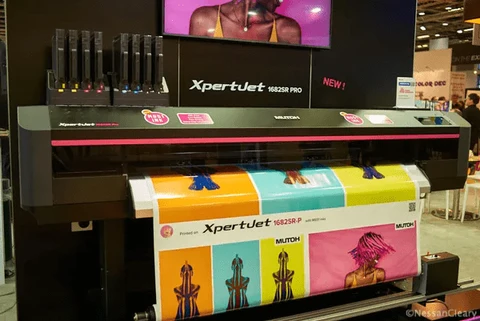

The printing industry has seen a significant shift toward more sustainable practices in recent years. Among the innovations gaining attention is eco solvent ink, often promoted as a greener alternative to traditional solvent-based inks. But how environmentally responsible is this technology in reality? This article explores the facts, benefits, and limitations of eco solvent ink, helping you make informed choices for your printing needs.
As businesses and individuals look for ways to reduce their environmental footprint, understanding the true impact of different printing materials becomes essential. We’ll examine what sets eco solvent ink apart, how it compares to other options, and what to consider if you’re aiming for more sustainable print production.
For those interested in related advances in the printing world, you might also find value in learning about what is digital prototyping for packaging, which can further streamline and green your workflow.
Understanding Eco Solvent Ink and Its Environmental Claims
Eco solvent ink is a type of ink used primarily in wide-format printing, signage, and graphics. Unlike traditional solvent inks, which contain harsh chemicals and high levels of volatile organic compounds (VOCs), eco solvent formulations use milder, biodegradable solvents. The term “eco” refers to these reduced environmental hazards, but it’s important to look closer at what this really means.
The main difference lies in the composition. Eco solvent inks are typically made with glycol esters or other organic compounds that are less toxic and produce fewer harmful emissions during printing. This makes them safer for both operators and the environment, especially in indoor settings.
Comparing Eco Solvent Inks to Traditional Solvent and Other Inks
To assess whether eco solvent ink is truly environmentally friendly, it helps to compare it with other common ink types:
- Traditional Solvent Inks: These contain aggressive chemicals and high VOCs, which can be hazardous to health and require special ventilation. They are durable but pose significant environmental risks.
- Eco Solvent Inks: These use gentler solvents, resulting in lower VOC emissions and less odor. They are suitable for indoor and outdoor use and are generally considered safer for both people and the planet.
- Water-Based Inks: These are the most environmentally benign, using water as the primary solvent. However, they may not be as durable or versatile for certain applications.
- UV-Curable Inks: These cure instantly under UV light, producing minimal VOCs. Their environmental impact depends on the chemistry and disposal practices.
While eco solvent inks are not as green as water-based alternatives, they represent a significant improvement over traditional solvent inks, especially in terms of air quality and operator safety.
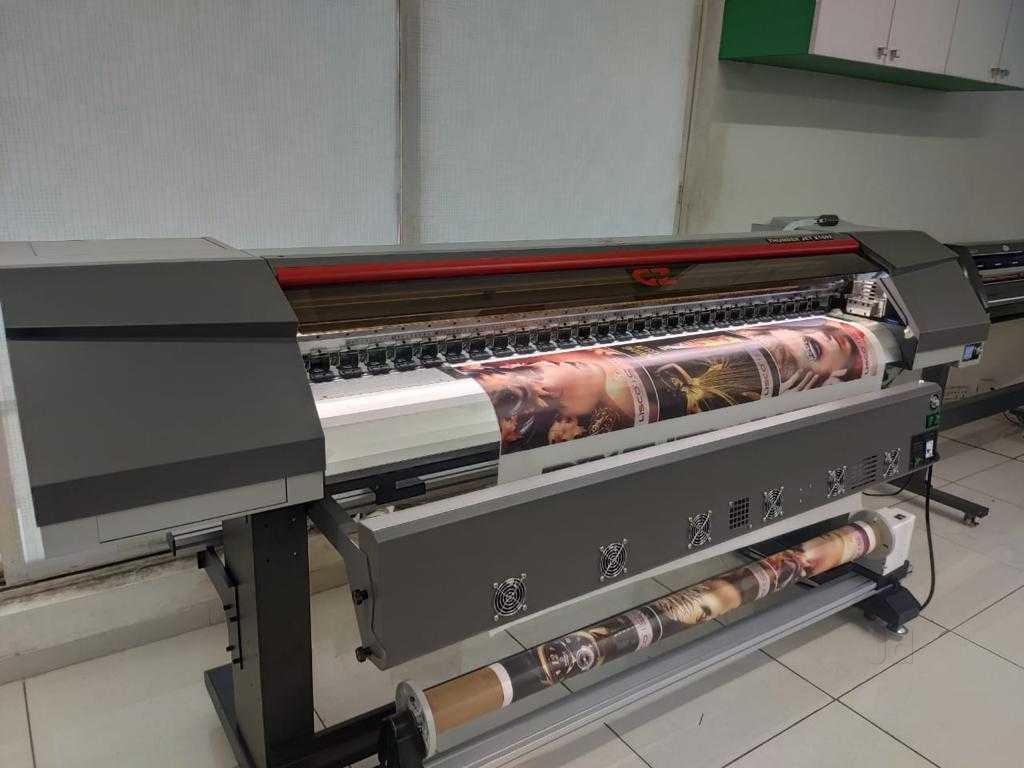
Key Environmental Benefits of Eco Solvent Printing
There are several reasons why eco solvent ink is often promoted as a more sustainable choice:
- Lower VOC Emissions: The reduced volatile organic compounds mean less air pollution and a safer workspace.
- Biodegradable Solvents: Many of the solvents used break down more easily in the environment, reducing long-term impact.
- Less Hazardous Waste: With fewer toxic chemicals, disposal of waste ink and cartridges is less problematic.
- Indoor and Outdoor Versatility: The low odor and safety profile make these inks suitable for a wider range of applications, including indoor graphics.
For a deeper dive into how eco solvent printing works and its specific advantages, you can refer to this comprehensive guide to eco solvent printing.
Limitations and Considerations for Sustainability
While eco solvent inks are a step forward, they are not a perfect solution. Here are some factors to keep in mind:
- Not Completely Non-Toxic: Although safer, eco solvent inks still contain chemicals that require responsible handling and disposal.
- Material Compatibility: These inks are designed for use on specific substrates (like vinyl and banners), which may themselves not be recyclable or biodegradable.
- End-of-Life Impact: The environmental friendliness of a print job depends on both the ink and the substrate. If prints are made on PVC or other plastics, the overall sustainability is limited.
- Energy Use: Printing equipment and curing processes still consume energy, which can offset some environmental gains.
To maximize environmental benefits, consider the entire lifecycle of your print products—from ink and substrate selection to disposal or recycling.
How to Choose the Most Eco-Friendly Printing Solution
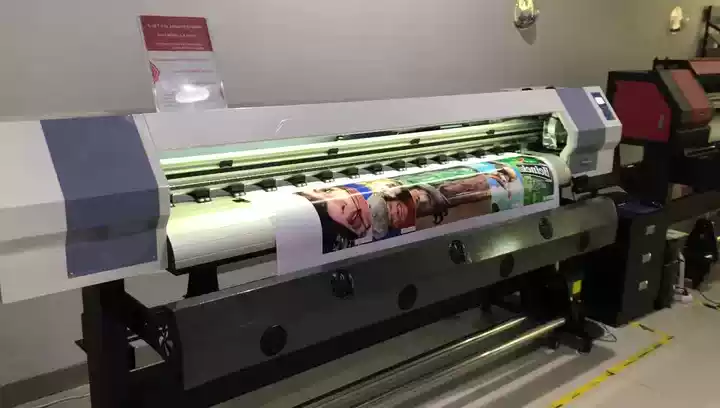
If your goal is to reduce environmental impact, consider these tips when selecting inks and printing methods:
- Assess the Entire Printing System: Look at both the ink and the media. Pair eco solvent inks with recyclable or biodegradable substrates for best results.
- Prioritize Low-VOC and Biodegradable Options: Always check the manufacturer’s data sheets for environmental certifications.
- Consider Water-Based or UV-Curable Inks: For some applications, these may offer even lower environmental impact.
- Implement Responsible Disposal: Ensure that waste ink and cartridges are disposed of according to local regulations.
- Stay Informed: The printing industry is evolving. Stay updated on new technologies and materials that further reduce environmental harm.
For more insights into sustainable printing technologies, you might also be interested in learning about what is electron beam curing in printing and its benefits.
FAQs About Eco Solvent Ink and Sustainability
What makes eco solvent ink different from regular solvent ink?
Eco solvent ink uses milder, biodegradable solvents that emit fewer VOCs and are less hazardous to health and the environment. Traditional solvent inks, on the other hand, contain stronger chemicals and produce more air pollution.
Can eco solvent inks be used on all printing materials?
These inks are primarily designed for use on vinyl, banners, and certain coated papers. While they offer good versatility, not all substrates are compatible, and some may not be recyclable or biodegradable.
Are eco solvent inks completely safe for the environment?
While they are a safer and greener alternative to traditional solvent inks, eco solvent inks are not entirely free of chemicals. Responsible use, proper disposal, and pairing with sustainable substrates are important for minimizing environmental impact.
Conclusion: Weighing the Environmental Impact of Eco Solvent Printing
Eco solvent ink represents a meaningful step toward more sustainable printing, offering lower emissions and improved safety compared to older solvent-based options. However, true eco-friendliness depends on the full lifecycle of your print products, including the choice of substrates and disposal methods. By staying informed and making conscious choices, you can help reduce the environmental footprint of your printing projects.
For those looking to further optimize their print processes, exploring topics like benefits of cloud-based color management or what is holographic lamination can provide additional strategies for efficiency and sustainability.