
Minimalism has become a defining trend in the beauty industry, especially when it comes to product packaging and label design. Clean, uncluttered labels not only appeal to modern consumers but also help brands communicate trust, quality, and sophistication. If you’re looking to understand how to design minimalist labels for cosmetics, this guide will walk you through the essential principles, practical steps, and best practices for creating effective, elegant labels that stand out on the shelf.
As consumer preferences shift toward simplicity and transparency, brands are rethinking their packaging strategies. Minimalist labels can enhance shelf appeal, support sustainability, and make regulatory information easier to read. Before diving into the design process, it’s important to familiarize yourself with the latest techniques and technologies in packaging. For example, exploring what is digital prototyping for packaging can help speed up your production workflow and enable rapid design iterations.
Why Choose Minimalist Label Design for Beauty Products?
Minimalist packaging is more than just an aesthetic choice. For skincare and cosmetics, it offers several tangible benefits:
- Enhanced Brand Perception: Simple, clean designs signal quality and professionalism, helping brands build trust with consumers.
- Improved Readability: Fewer design elements mean that essential product information, such as ingredients and usage instructions, is easier to locate and read.
- Sustainability: Minimalist labels often use less ink and fewer materials, supporting eco-friendly initiatives.
- Versatility: A pared-down look works well across different product lines and packaging types, from bottles to jars and tubes.
Adopting a minimalist approach can also streamline your compliance process, as regulatory text and symbols are less likely to get lost in a busy design.
Core Principles of Minimalist Cosmetic Label Design
To master how to design minimalist labels for cosmetics, it’s important to understand the fundamental principles that define this style:
- Whitespace: Generous spacing around text and graphics creates a sense of calm and order, making the label feel less crowded.
- Limited Color Palette: Stick to one or two main colors, often neutrals or pastels, to maintain a clean look. Accents can be used sparingly for emphasis.
- Simple Typography: Choose clear, legible fonts. Sans-serif typefaces are popular for their modern, uncluttered appearance.
- Essential Information Only: Include only what’s necessary—brand name, product name, key benefits, and required legal information. Avoid unnecessary graphics or decorative elements.
- Consistent Alignment: Align text and elements in a logical, grid-based layout for visual harmony.
By focusing on these principles, you can create labels that are both visually appealing and highly functional.
Step-by-Step Process for Creating Clean Cosmetic Labels
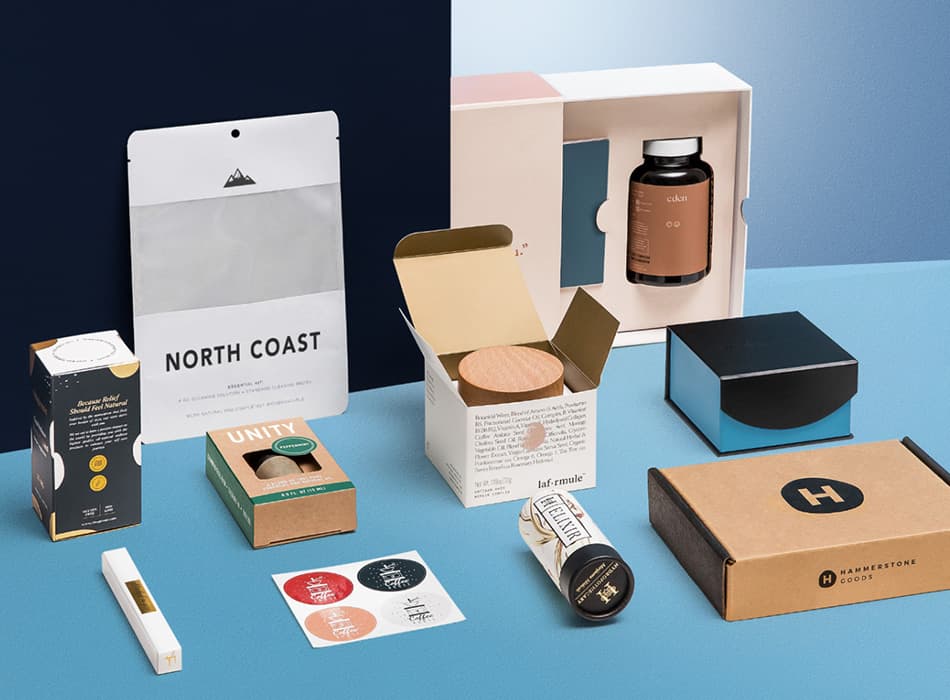
Designing a minimalist label involves a thoughtful, strategic approach. Here’s a step-by-step process to guide you:
1. Define Your Brand Identity
Start by clarifying your brand’s values, target audience, and unique selling points. Minimalist labels should reflect your brand’s personality, whether it’s clinical, luxurious, or eco-conscious. Consistency across all product lines reinforces brand recognition.
2. Gather Regulatory and Product Information
Compile all mandatory information, such as ingredient lists, usage instructions, batch numbers, and legal disclaimers. Minimalist design doesn’t mean omitting required details; it means presenting them in a clear, unobtrusive way.
3. Choose Your Color Scheme and Fonts
Select a restrained color palette that aligns with your brand. Soft neutrals, black and white, or muted pastels are common choices. For typography, opt for one or two fonts—typically a primary font for headings and a secondary for body text. Prioritize readability above all.
4. Create a Balanced Layout
Use a grid system to align elements and create visual order. Group related information together and use whitespace to separate sections. Avoid overcrowding; every element should have a clear purpose.
5. Incorporate Subtle Branding Elements
Minimalist labels can still be distinctive. Consider using a small logo, a signature color, or a unique label shape to reinforce your brand identity without overwhelming the design.
6. Prototype and Test
Before finalizing your design, create prototypes and review them in real-world conditions. Digital prototyping tools can help you visualize how the label will look on different packaging types. For more on this, see our resource on digital prototyping for packaging.
Tips for Printing and Production
Once your design is ready, the next step is production. Here are some practical tips to ensure your minimalist labels look as good in print as they do on screen:
- Use High-Quality Materials: Choose label stocks and finishes that complement your design. Matte and uncoated papers often enhance the minimalist look.
- Limit Special Effects: Foil, embossing, and spot gloss can add sophistication, but use them sparingly to maintain simplicity.
- Test Ink Coverage: Minimalist designs typically use less ink, but it’s important to test for legibility and color accuracy, especially on colored or textured substrates.
- Consider Digital Printing: Digital techniques offer flexibility for short runs and rapid prototyping. Learn more about the future of digital print in packaging for insights on cost-effective, high-quality production.
By planning ahead and working closely with your printer, you can avoid common pitfalls and achieve a professional result.
Common Mistakes to Avoid in Minimalist Label Design
Even simple designs can go wrong if not executed thoughtfully. Here are a few pitfalls to watch out for:
- Over-Simplification: Removing too much information can confuse customers or lead to compliance issues. Always include all required details.
- Poor Contrast: Ensure there’s enough contrast between text and background for readability, especially for small fonts.
- Ignoring Brand Personality: Minimalism should enhance, not erase, your brand’s unique identity. Subtle branding cues are essential.
- Inconsistent Layouts: Maintain alignment and spacing across all product labels to create a cohesive brand look.
Frequently Asked Questions
What are the key elements of a minimalist cosmetic label?
The most important elements are clear typography, a limited color palette, generous whitespace, and only essential product information. Subtle branding, such as a small logo or signature color, can help reinforce brand identity without cluttering the design.
How can I make my minimalist label stand out?
Focus on high-quality materials and finishes, such as textured paper or subtle embossing. Unique label shapes, carefully chosen colors, and precise alignment can also help your product catch the eye while staying true to minimalist principles.
Are minimalist labels suitable for all types of skincare and cosmetics?
Minimalist labels work well for most beauty products, especially those targeting health-conscious or luxury markets. However, brands that rely on bold, playful imagery may need to adapt the approach to retain their personality while simplifying the design.
Conclusion
Designing minimalist labels for cosmetics and skincare products is about more than removing clutter—it’s a strategic way to communicate quality, transparency, and modernity. By following the principles and steps outlined above, you can create labels that are both beautiful and functional, helping your products stand out in a crowded market. For further insights into packaging trends and production techniques, consider exploring topics like benefits of cloud-based color management or packaging design for Gen Z consumers. Minimalist design, when done right, can elevate your brand and foster lasting connections with your audience.