The packaging world is evolving rapidly, and brands are always searching for ways to stand out on crowded shelves. One technology making a significant impact is direct-to-shape printing. This innovative process allows graphics, branding, and information to be printed directly onto containers of virtually any shape or material, eliminating the need for traditional labels or shrink sleeves. For businesses looking to create distinctive packaging, understanding the benefits of direct-to-shape printing is essential.
Direct-to-shape methods are transforming how products are presented and perceived. Whether for bottles, jars, cans, or custom-shaped packaging, this approach offers unmatched flexibility and creative freedom. Before diving into the main advantages, it’s helpful to explore how this technology fits into the broader context of packaging innovation. For example, if you’re interested in how digital tools are speeding up packaging development, check out what is digital prototyping for packaging for more insights.
Understanding Direct-to-Shape Printing Technology
Unlike traditional packaging decoration, which relies on pre-printed labels or sleeves, direct-to-shape (DTS) printing applies ink or coatings straight onto the surface of the container. This can be achieved using inkjet, UV, or other advanced printing technologies that adapt to curves, angles, and irregular forms. The result is a seamless, high-quality finish that follows the unique contours of each package.
This method is particularly valuable for brands that use unconventional or custom-shaped packaging, as it removes the limitations imposed by flat labels. It also opens up new possibilities for creative design, tactile effects, and even variable data printing for personalized products.
Major Advantages for Unique Packaging
Let’s explore the core benefits of direct-to-shape printing for businesses and brands seeking to differentiate their products.
1. Enhanced Design Flexibility and Creativity
One of the most significant advantages is the freedom it gives designers. With DTS, graphics can wrap around curves, reach into recesses, and cover the entire surface of a container. This allows for 360-degree branding and the use of bold, uninterrupted visuals that are impossible with conventional labels.
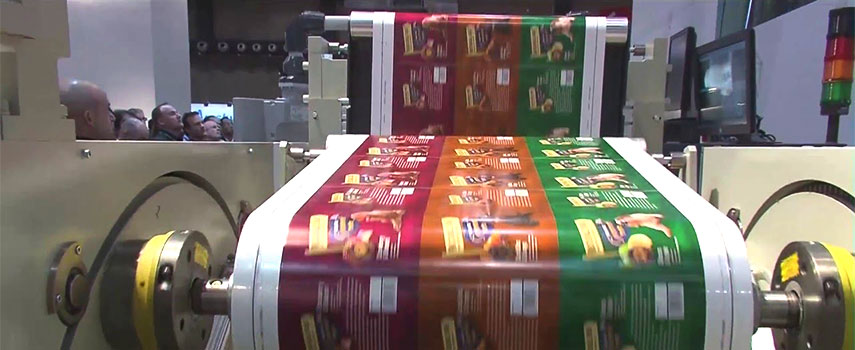
This level of flexibility is especially important for brands that want to create a memorable shelf presence or use packaging as a storytelling tool. It’s also ideal for limited editions, seasonal promotions, or products targeting specific demographics.
2. Improved Durability and Product Protection
Printing directly onto the container means there’s no label to peel, tear, or fade. The graphics become an integral part of the package, offering greater resistance to moisture, abrasion, and chemicals. This is crucial for products that will be handled frequently, exposed to challenging environments, or require a premium look throughout their lifecycle.
For industries such as beverages, cosmetics, and household goods, this durability can reduce returns and complaints related to damaged packaging. It also ensures that branding remains visible and attractive from the first use to the last.
3. Streamlined Production and Sustainability Benefits
By eliminating the need for separate labels, sleeves, or adhesives, direct-to-shape printing can simplify the packaging supply chain. Fewer materials mean less waste, and the process can often be integrated directly into filling or assembly lines, reducing handling and storage requirements.
This approach aligns with growing demands for sustainable packaging. Using fewer components and minimizing waste helps brands meet environmental goals and appeal to eco-conscious consumers. For more on sustainable print trends, see this overview of eco-friendly production and packaging trends.
4. Personalization and Variable Data Capabilities
Modern DTS systems can print unique graphics, text, or codes on each container, enabling mass customization and personalization. This is perfect for promotional campaigns, serialized tracking, or products that benefit from individualized messaging.
Brands can use this capability to create one-of-a-kind packaging experiences, run contests, or include QR codes that connect consumers to digital content. Variable data printing also supports traceability and anti-counterfeiting measures.
How Direct-to-Shape Printing Supports Brand Differentiation
Standing out in a competitive market is a constant challenge. DTS printing gives brands the tools to create packaging that is instantly recognizable and difficult to replicate. With the ability to print vibrant colors, metallics, tactile finishes, and even holographic effects, the technology supports a wide range of creative strategies.
For brands targeting younger consumers or looking to tap into new trends, packaging can be a powerful differentiator. If you’re interested in how packaging design can appeal to emerging demographics, explore how to design packaging for Gen Z consumers for actionable ideas.
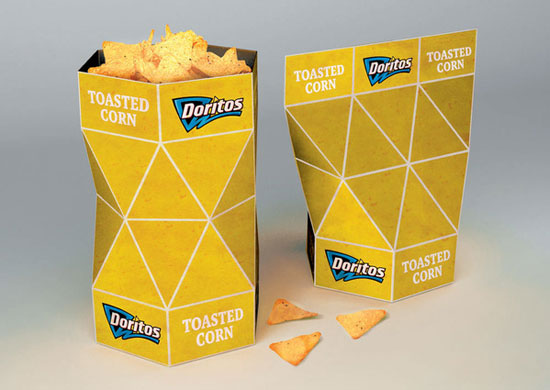
Comparing Direct-to-Shape with Traditional Packaging Decoration
While conventional methods like pressure-sensitive labels, shrink sleeves, and offset printing have served the industry well, they come with limitations. Labels can wrinkle or misalign, sleeves may not fit complex shapes, and both add extra steps and materials to the process. Direct-to-shape printing addresses these challenges by offering:
- Seamless graphics that follow the package’s contours
- Reduced material use and less environmental impact
- Faster turnaround for new designs and product launches
- Lower inventory of pre-printed labels or sleeves
For companies exploring new packaging technologies, it’s worth considering how DTS can streamline operations and unlock new creative options.
Challenges and Considerations
While the advantages are compelling, it’s important to be aware of potential challenges. Not all materials or shapes are equally suited to every DTS technology. Surface preparation, ink adhesion, and curing processes must be carefully matched to the container’s substrate. Additionally, initial equipment investment can be higher than for label-based systems, though operational savings and design flexibility often offset these costs over time.
Brands should work closely with experienced print partners to test and optimize their packaging before full-scale production. For those interested in advanced print finishing, learning about what is holographic lamination can provide further inspiration for eye-catching effects.
Frequently Asked Questions
What types of containers are suitable for direct-to-shape printing?
DTS printing works on a wide range of materials, including glass, plastics, metals, and ceramics. It is especially effective for bottles, jars, cans, tubes, and custom-molded packaging where traditional labels may not adhere well or look seamless.
Is direct-to-shape printing environmentally friendly?
Yes, this method can reduce waste by eliminating labels, adhesives, and extra materials. Many systems use UV-curable inks that minimize emissions and energy use. Brands seeking to improve sustainability often choose DTS as part of their eco-friendly packaging strategy.
Can direct-to-shape printing handle short runs or personalized packaging?
Absolutely. Modern DTS systems excel at short production runs and variable data printing, making them ideal for limited editions, personalized products, or targeted marketing campaigns.
Conclusion
Direct-to-shape printing is reshaping the packaging landscape by offering brands new ways to express creativity, improve durability, and streamline production. Its ability to deliver vibrant, seamless graphics on unique containers gives businesses a competitive edge in today’s market. As consumer expectations evolve and sustainability becomes more important, adopting this technology can help brands stay ahead of the curve.
For further reading on color management and print technology trends, consider exploring the benefits of cloud-based color management for global brands or learn about what is electron beam curing in printing for advanced finishing options.