The printing industry has seen rapid advancements in recent years, with HP latex printer technology overview standing out as a transformative development for both commercial and industrial applications. This innovation offers a unique blend of versatility, environmental responsibility, and high-quality output, making it a preferred choice for businesses seeking to stay competitive and sustainable. In this article, we’ll explore how this technology works, its practical advantages, and why it continues to gain traction across various print sectors.
For those interested in how digital advancements are shaping packaging and production, you may also want to read about what is digital prototyping for packaging and how it can speed up your workflow.
Understanding the Core of HP Latex Printing
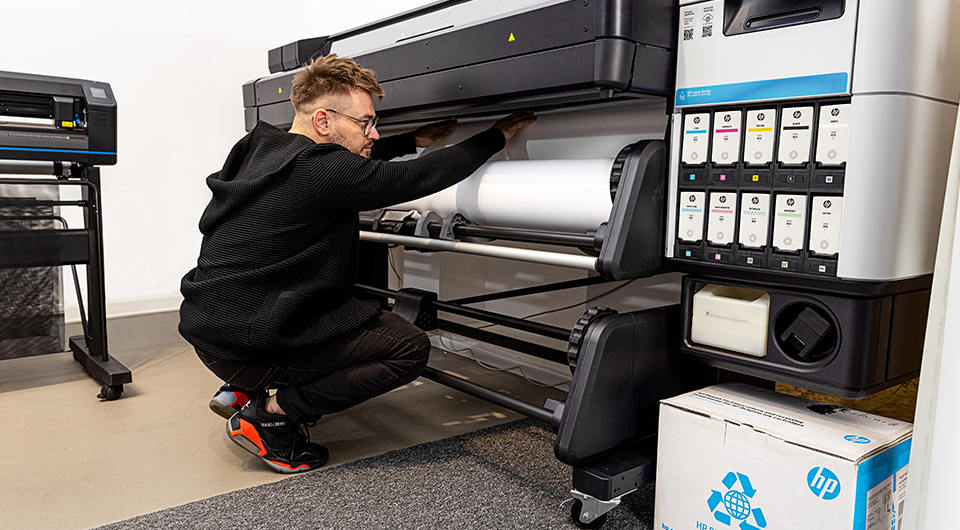
At its foundation, HP latex printer technology overview refers to a water-based ink system that uses latex as a key component. Unlike traditional solvent or UV-curable inks, latex inks are designed to be both flexible and durable, making them suitable for a wide range of substrates. The process involves heating the ink to cure it onto the material, resulting in prints that are instantly dry and ready for immediate finishing or installation.
This approach not only delivers vibrant colors and sharp details but also minimizes the emission of volatile organic compounds (VOCs), aligning with stricter environmental standards. As a result, HP latex printers are often chosen for indoor graphics, outdoor signage, vehicle wraps, and even textiles, thanks to their ability to produce odorless and safe prints.
Key Advantages of Latex Ink Systems
Businesses considering a shift to latex printing often cite several compelling benefits. Here are some of the most notable:
- Eco-Friendly Operation: Water-based latex inks emit significantly fewer VOCs compared to solvent-based alternatives, supporting healthier work environments and easier regulatory compliance.
- Wide Media Compatibility: From vinyl and canvas to paper and textiles, HP latex systems can handle a diverse array of materials without the need for special coatings.
- Instant Drying: Prints come out of the machine dry and ready to use, which speeds up production and reduces turnaround times.
- Durability: The cured latex layer is resistant to scratches, fading, and water, making it ideal for both indoor and outdoor applications.
- Vivid Color Reproduction: Advanced ink formulations ensure bright, consistent colors and fine image detail.
Comparing Latex Printing with Other Technologies
When evaluating print solutions, it’s important to understand how latex stacks up against other common technologies like solvent, eco-solvent, and UV-curable printing. Each method has its strengths, but latex stands out for its balance of performance and sustainability.
- Solvent Printing: Known for durability but produces strong odors and higher VOCs, requiring more ventilation and post-processing time.
- Eco-Solvent Printing: Offers improved environmental performance over traditional solvents but still falls short of latex in terms of safety and instant drying.
- UV-Curable Printing: Delivers high durability and can print on rigid materials, but may involve more complex curing equipment and higher energy consumption.
For a deeper dive into the differences between latex and digital printing, see this comprehensive comparison of latex and digital printing methods.
Applications and Versatility in the Print Market
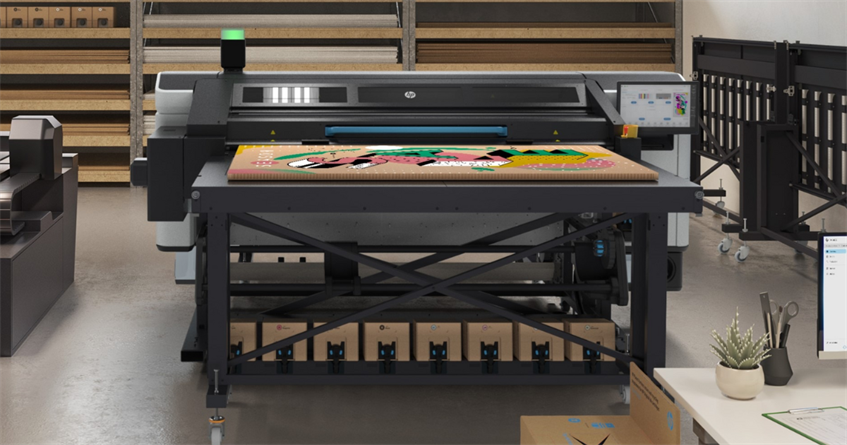
One of the most attractive features of HP latex printer technology overview is its adaptability. Print service providers can use these printers for a broad spectrum of projects, including:
- Indoor and outdoor banners
- Wall coverings and murals
- Vehicle graphics and wraps
- Retail displays and point-of-sale materials
- Textile printing for soft signage or décor
- Window graphics and backlit displays
This flexibility allows businesses to expand their offerings without investing in multiple specialized machines, making latex printing a cost-effective solution for growing operations.
Maintenance, Cost, and Operational Considerations
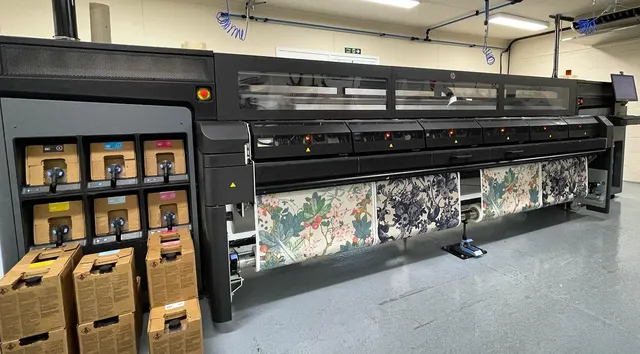
While the initial investment in latex printing equipment may be higher than some entry-level alternatives, the long-term operational savings and reduced environmental impact often offset these costs. Maintenance routines are generally straightforward, with automated cleaning cycles and user-friendly interfaces minimizing downtime.
Ink cartridges are designed for easy replacement, and the absence of hazardous chemicals simplifies waste disposal. Additionally, the ability to print on a wide variety of substrates means fewer limitations and more opportunities to serve diverse client needs.
Integrating Color Management and Workflow Solutions
Achieving consistent color output is crucial for any print operation. Modern latex printers support advanced color management workflows, including cloud-based solutions. For brands operating globally or managing multiple print locations, leveraging benefits of cloud-based color management can ensure color accuracy and streamline production.
Proper calibration tools, such as monitor calibrators, also play a vital role in maintaining color fidelity from design to print. This is especially important when working with demanding clients or high-value projects.
Future Trends and Industry Outlook
As sustainability and versatility continue to drive purchasing decisions, latex printing is poised for further growth. Ongoing research and development are leading to even more efficient ink formulations, faster print speeds, and expanded media compatibility. The technology is also being integrated with automation and workflow software, making it easier for print shops to scale their operations and meet evolving customer demands.
For those interested in exploring other innovative print technologies, you might want to learn about what is electron beam curing in printing and its unique benefits for specialized applications.
Frequently Asked Questions
What makes latex printing more environmentally friendly than solvent-based printing?
Latex inks are water-based and emit far fewer volatile organic compounds (VOCs) than solvent-based inks. This reduces air pollution, improves workplace safety, and often eliminates the need for special ventilation or hazardous waste handling.
Can HP latex printers handle both indoor and outdoor applications?
Yes, the cured latex ink layer is highly durable, making it suitable for a wide range of uses, from indoor displays to outdoor signage and vehicle wraps. The prints are resistant to scratches, fading, and water.
How does latex printing compare to UV-curable and eco-solvent printing?
Latex printing offers instant drying, broad media compatibility, and lower environmental impact compared to eco-solvent and UV-curable methods. While UV-curable printing is ideal for rigid materials, latex excels in flexibility and safety, especially for indoor graphics.
Is special training required to operate HP latex printers?
Most modern latex printers are designed with user-friendly interfaces and automated maintenance features. Basic training is typically sufficient, and manufacturers provide comprehensive support and resources.
Conclusion
The evolution of HP latex printer technology overview has set new standards for quality, sustainability, and versatility in the print industry. By offering eco-friendly operation, instant drying, and compatibility with a wide range of materials, latex printing empowers businesses to expand their services and meet the demands of modern clients. As technology continues to advance, those who invest in these solutions are well-positioned to thrive in a competitive marketplace.
For more on innovative finishing techniques, consider reading about what is holographic lamination and how it can create eye-catching print effects.