
When it comes to creating exquisite printed materials, two techniques often stand out: letterpress printing and engraving. Each method offers unique visual and tactile qualities that can significantly impact the final product, making the choice between them crucial for anyone involved in commercial printing, such as wedding invitations or business stationery. This comparison will delve into the nuances of each technique, helping you decide which is best suited for your needs. For those interested in exploring the various letterpress printing styles, we have a dedicated guide available.

Quick Comparison
| Feature | Letterpress Printing | Engraving |
|---|---|---|
| Visual Effect | Deep impression with a vintage look | Raised impression with a polished finish |
| Tactile Feel | Textured and tactile | Smooth and raised |
| Cost | Generally more affordable | Premium pricing |
| Best For | Rustic and artistic projects | Luxury and formal stationery |
| Durability | Good for short runs | Excellent for long-lasting impressions |
For a deeper dive into how these techniques stack up against other printing methods, you might find our article on letterpress vs lithography insightful.
Letterpress Printing
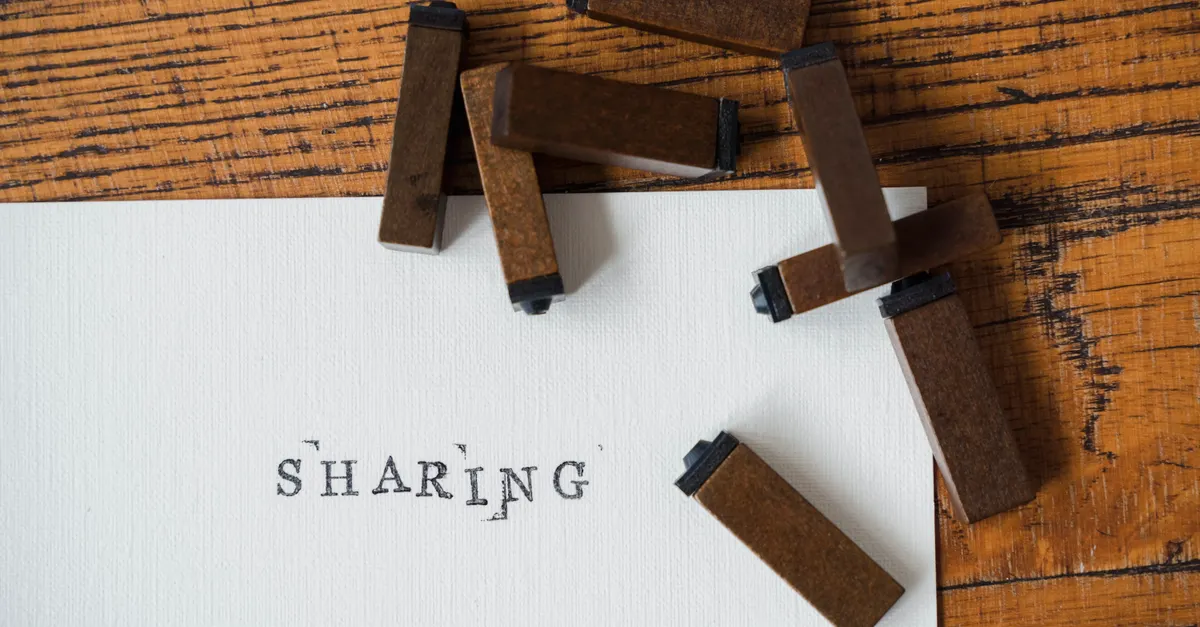
Letterpress printing is a traditional technique that involves pressing an inked, raised surface onto paper. This method is known for its ability to create a deep impression, giving printed materials a distinct tactile quality. It’s a favorite for those seeking a vintage or artistic aesthetic.
Pros
- Creates a unique, textured finish that is visually appealing.
- Offers a wide range of customization options.
- Generally more cost-effective for smaller print runs.
Cons
- Not ideal for very fine details or large solid areas of color.
- Can be less durable than engraving for high-volume use.
Engraving
Engraving is a printing process that involves etching a design onto a metal plate, which is then used to create a raised impression on paper. This technique is synonymous with luxury and is often used for high-end stationery and formal invitations.
Pros
- Produces a crisp, raised impression that exudes elegance.
- Highly durable, making it suitable for long-lasting prints.
- Ideal for intricate designs and fine details.
Cons
- Typically more expensive due to the complex process.
- Longer production times compared to other methods.
Head-to-Head Comparison
When comparing letterpress printing and engraving, several factors come into play. In terms of performance, engraving offers a more refined and durable finish, making it ideal for luxury applications. Letterpress, on the other hand, is perfect for projects that benefit from a more artistic touch. The features of each method also differ significantly; letterpress provides a deep, tactile impression, while engraving results in a smooth, raised effect.
Regarding build quality, engraving is superior due to its use of metal plates, which allow for precise and detailed designs. However, this also contributes to its premium pricing. Letterpress is more affordable, especially for smaller runs, making it a good value for money for artistic projects. In terms of durability, engraving is the clear winner, offering long-lasting results suitable for high-end stationery.
Ultimately, the best choice depends on the user type. If you’re a business looking to create luxury invitations or formal stationery, engraving is the way to go. For those who appreciate a more rustic or artistic aesthetic, letterpress is an excellent choice.
Which One Should You Choose?
Choosing between letterpress printing and engraving depends largely on your specific needs and budget. If you’re aiming for a luxurious and formal look, particularly for business stationery or high-end invitations, engraving is the superior choice. Its ability to produce fine details and durable prints makes it ideal for such applications.
On the other hand, if you’re working on a project that benefits from a more artistic and textured appearance, letterpress printing is the way to go. It’s more cost-effective for smaller runs and offers a unique tactile experience that can enhance the visual appeal of your materials.
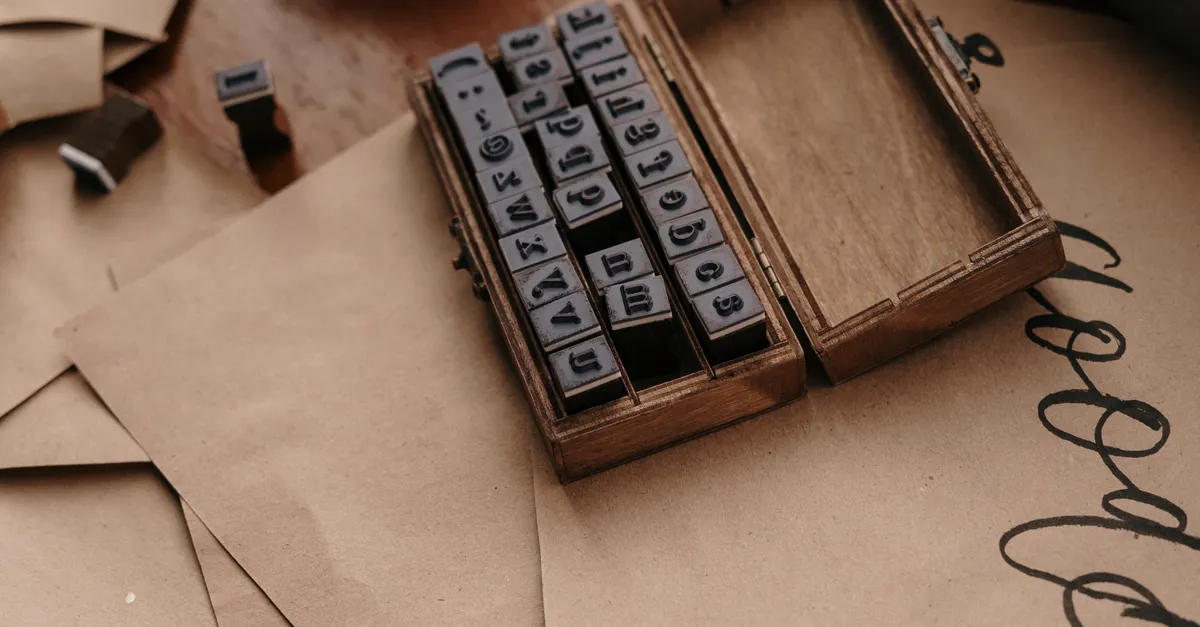
For those interested in the historical evolution of these printing techniques, letterpress printing dates back to the 15th century with Johannes Gutenberg’s invention of the movable type printing press. This method revolutionized the way information was disseminated, making printed materials more accessible. Over time, letterpress evolved with advancements in technology, allowing for greater precision and artistic expression.
Engraving, on the other hand, has roots in the 15th century as well, initially used for creating detailed images on metal plates for artistic and currency purposes. Its application in printing emerged later, becoming synonymous with luxury due to its ability to produce highly detailed and elegant designs. The technique has maintained its prestige, often reserved for high-end stationery and formal documents.
Understanding the historical context of these methods not only highlights their enduring appeal but also underscores their suitability for specific applications today. Whether you’re drawn to the vintage charm of letterpress or the refined elegance of engraving, both techniques offer timeless quality that continues to captivate audiences in the modern era.
Frequently Asked Questions
What are the main differences between letterpress printing and engraving?
The primary differences lie in the visual and tactile effects. Letterpress creates a deep, textured impression, while engraving results in a smooth, raised finish.
How do the costs of letterpress printing and engraving compare?
Generally, letterpress printing is more affordable, especially for smaller runs, whereas engraving tends to be more expensive due to its intricate process and use of metal plates.
In what scenarios is one method preferred over the other?
Engraving is preferred for luxury and formal stationery, while letterpress is ideal for artistic projects that benefit from a textured, vintage look.
Conclusion
Both letterpress printing and engraving offer unique advantages that cater to different needs. Engraving is best for those seeking a high-end, durable finish, while letterpress is perfect for projects that require a more artistic touch. By understanding the strengths and limitations of each method, you can make an informed decision that aligns with your aesthetic and budgetary requirements.