
In the world of printing, two methods stand out for their historical significance and unique characteristics: letterpress and lithography. Both have played pivotal roles in the evolution of printing, offering distinct advantages and applications. This comparison is essential for businesses and individuals looking to choose the right method for their projects. Whether you’re a designer, a print enthusiast, or a business owner, understanding the nuances between these methods can help you make informed decisions. For those interested in exploring more about printing techniques, you might find our article on electronics glass printing methods insightful.
Quick Comparison
| Feature | Letterpress | Lithography |
|---|---|---|
| Key Features | Impression-based, tactile feel, ideal for small runs | Flat printing, high volume, versatile |
| Pros | Unique texture, high-quality finish, traditional appeal | Cost-effective for large runs, high-quality color reproduction, versatile materials |
| Cons | Costly for large volumes, slower process, limited color options | Less tactile, setup can be complex, requires more space |
| Ideal Use-Case | Wedding invitations, business cards, artisanal prints | Magazines, posters, packaging |
For those looking to delve deeper into the nuances of printing methods, our comprehensive guide on types of glass printing methods provides further insights.
Letterpress Printing
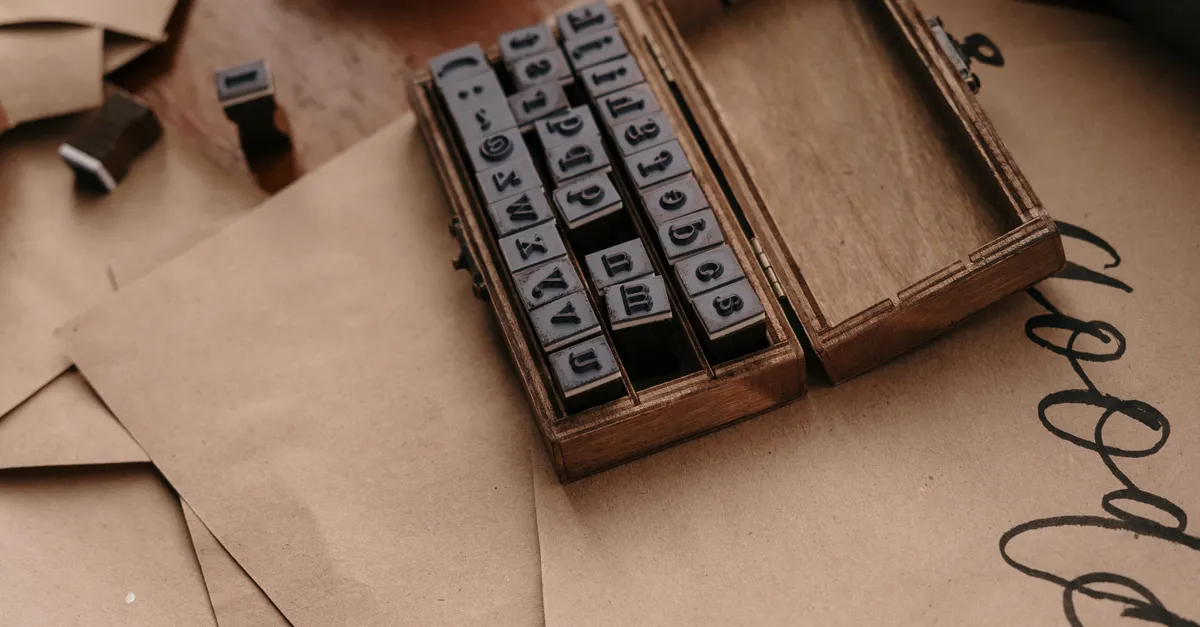
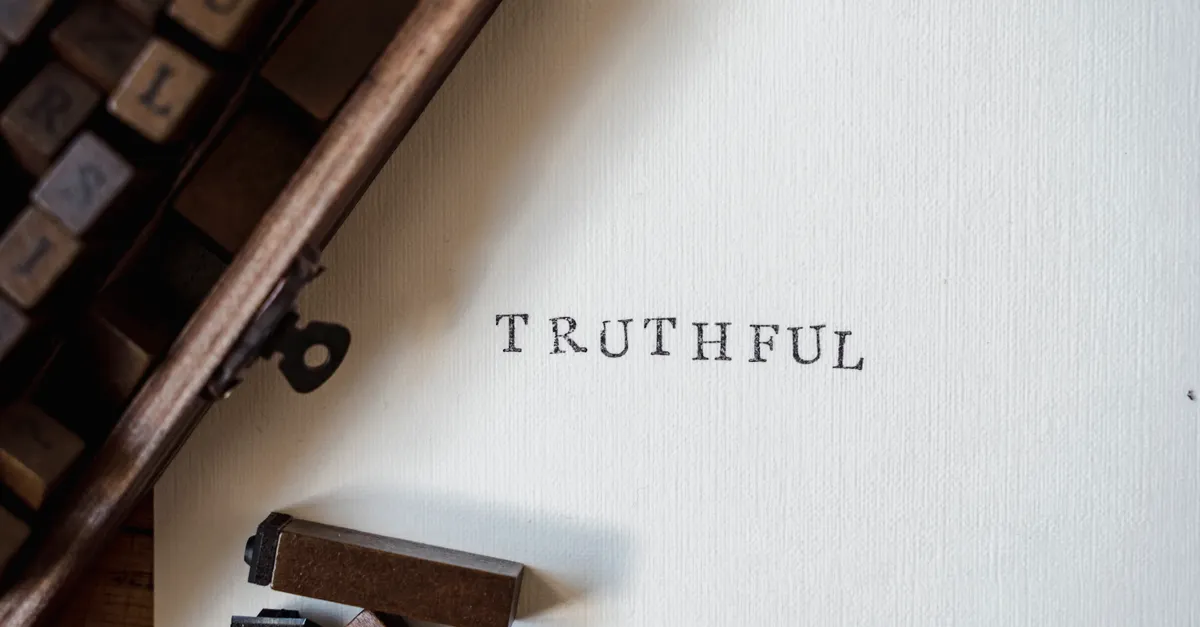
Letterpress printing is one of the oldest printing techniques, dating back to the invention of the Gutenberg Press. It involves pressing an inked, raised surface onto paper, creating a distinctive impression. This method is cherished for its ability to produce a tactile, embossed effect that adds a unique character to printed materials.
Pros
- Produces a unique, tactile texture that is highly valued in luxury printing.
- Offers a high-quality, artisanal finish that is ideal for special occasions.
- Has a traditional appeal that resonates with those who appreciate craftsmanship.
Cons
- Can be costly and time-consuming for large volume projects.
- Limited in color options compared to modern printing techniques.
- Requires skilled labor and specialized equipment.
Lithography Printing
Lithography, often referred to as offset lithography, is a more modern printing technique that uses flat plates to transfer ink onto a rubber blanket, which then presses the image onto paper. This method is highly efficient for large-scale printing and is known for its ability to produce high-quality color images.
Pros
- Highly cost-effective for large print runs, making it ideal for commercial use.
- Capable of producing high-quality color reproduction with great detail.
- Versatile in terms of materials and applications.
Cons
- Does not provide the tactile feel that letterpress offers.
- Initial setup can be complex and requires precise calibration.
- Requires more space and equipment compared to letterpress.
Head-to-Head Comparison
When comparing letterpress and lithography, several factors come into play. In terms of performance, lithography excels in speed and efficiency, especially for high-volume projects. Letterpress, while slower, offers a unique tactile quality that lithography cannot match. Features of lithography include its ability to handle a wide range of colors and materials, whereas letterpress is more limited but excels in creating a distinct, embossed effect.
Regarding build quality, both methods produce high-quality results, but the choice depends on the desired finish. Lithography is often preferred for its crisp, clean images, while letterpress is chosen for its artisanal touch. In terms of pricing, lithography is generally more affordable for large runs, whereas letterpress can be more expensive due to its labor-intensive nature.
In terms of durability, both methods produce long-lasting prints, but the choice of paper and ink can affect the longevity of the final product. Ultimately, the best choice depends on the user type: lithography is ideal for businesses needing high-volume, cost-effective printing, while letterpress is perfect for those seeking a unique, high-end finish for special projects.
Which One Should You Choose?
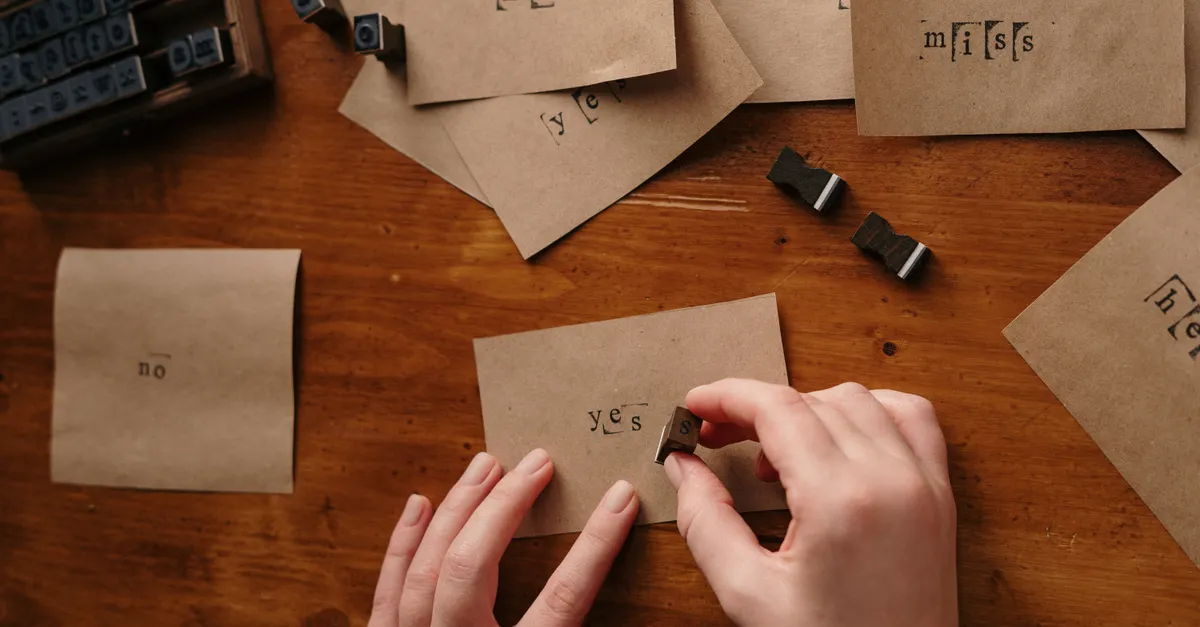
Choosing between letterpress and lithography depends largely on your specific needs and preferences. If you’re looking for a method that offers a unique, tactile experience and are working on a project where quality and craftsmanship are paramount, letterpress is the way to go. It’s perfect for wedding invitations, business cards, and other special occasion prints where the feel and look of the paper matter as much as the content.
On the other hand, if your project requires high-volume printing with excellent color reproduction and cost-effectiveness, lithography is the better choice. It’s ideal for magazines, posters, and packaging where efficiency and quality are key. Consider your project’s requirements, budget, and desired outcome to make the best decision.
Frequently Asked Questions
What are the main differences between letterpress and lithography?
The main differences lie in the printing process and the final output. Letterpress uses a raised surface to create an impression on the paper, resulting in a tactile feel, while lithography uses flat plates to transfer ink, producing smooth, high-quality images.
What types of projects are best suited for letterpress?
Letterpress is best suited for projects that require a high-end, artisanal finish, such as wedding invitations, business cards, and limited edition prints where the tactile quality of the paper is important.
How do the costs of letterpress and lithography compare?
Generally, lithography is more cost-effective for large print runs due to its efficiency and speed, while letterpress can be more expensive because of its labor-intensive process and the unique quality it offers.
What is the historical significance of these printing methods?
Letterpress has a rich history dating back to the Gutenberg Press, marking the beginning of mass book production. Lithography, developed later, revolutionized printing by allowing for more detailed and colorful images, significantly impacting commercial printing.
Can both methods be used for eco-friendly printing?
Yes, both methods can incorporate eco-friendly practices. Using sustainable inks and recycled paper can make both letterpress and lithography more environmentally friendly. For more on sustainable printing, explore our article on eco friendly glass printing methods.