
Printing on glass has become an essential process across industries, from packaging and decor to electronics and art. With so many types of glass printing methods available, choosing the right one depends on your project’s requirements, durability needs, and design complexity. This article explores the most popular techniques, their advantages, and how to decide which is best for your specific use case.
Whether you’re customizing bottles, creating signage, or producing high-tech displays, understanding the strengths and limitations of each approach is crucial. If you’re new to this field, it’s also helpful to learn about common mistakes in glass printing to ensure your results are professional and long-lasting.
Overview of Glass Printing Techniques
There are several established and emerging ways to print on glass. Each has unique features, costs, and ideal applications. The most common methods include:
- Screen printing
- Digital UV printing
- Pad printing
- Decal transfer
- Etching and sandblasting
- Laser printing
Let’s break down how these processes work, their pros and cons, and where they’re most effective.
Screen Printing on Glass
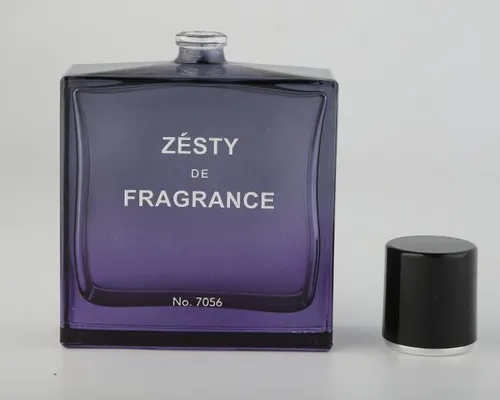
Screen printing remains one of the most widely used glass decoration techniques. It involves pushing ink through a mesh stencil onto the glass surface. This method is especially popular for bottles, jars, and glassware in the beverage and cosmetics industries.
Advantages:
- Cost-effective for large runs
- Vibrant, opaque colors
- Excellent durability after curing
Drawbacks:
- Not ideal for small batches or highly detailed images
- Setup requires time and custom screens for each design
Screen printing is a solid choice when you need bold, single- or multi-color graphics on many identical items. For more on its industrial applications, see our guide to industrial glass printing uses.
Digital UV Printing: Modern Versatility
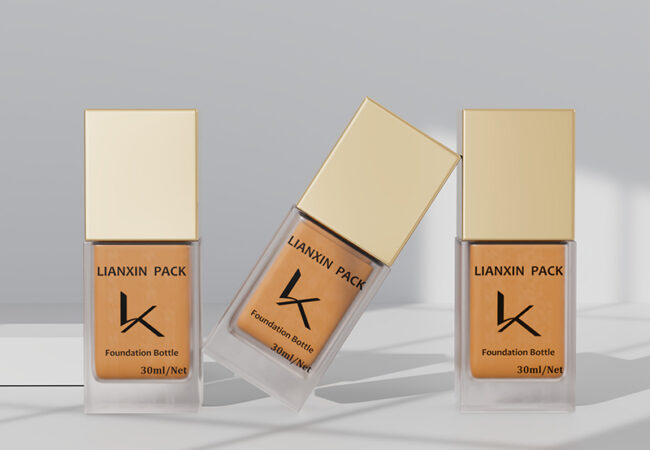
Digital UV printing is a relatively new approach that uses ultraviolet light to cure specially formulated inks directly onto the glass. This method allows for full-color, high-resolution images and gradients, making it ideal for custom projects and short runs.
Advantages:
- Photo-quality, full-color prints
- No setup for new designs—just upload your file
- Works on flat and some curved surfaces
Drawbacks:
- Higher cost per item for large volumes
- Some inks may be less durable than fired enamels
Digital UV printing is perfect for personalized gifts, prototypes, and projects where design flexibility is key. For more on advanced coatings and smart applications, check out our article on smart device glass printing.
Other Popular Glass Decoration Methods
Pad Printing
Pad printing uses a silicone pad to transfer ink from an etched plate onto the glass. It’s commonly used for small, detailed logos or text on items like perfume bottles and electronics.
- Great for printing on irregular or curved surfaces
- Limited to smaller print areas and fewer colors
Decal Transfer
Decal transfer involves printing designs onto a special paper, which is then applied to the glass and fired in a kiln. This process is often used for intricate, multi-color images on decorative glassware and collectibles.
- Allows complex, multi-color designs
- Requires firing for durability
Etching and Sandblasting
Etching uses chemicals or abrasive blasting to create frosted or textured designs on the glass surface. While not technically printing, it’s a popular way to add logos, patterns, or personalization.
- Permanent, elegant finish
- Limited to single-color, non-glossy effects
For a hands-on approach, products like Armour Etch Cream make it easy to try glass etching at home.
Laser Marking
Laser technology can engrave or mark glass with high precision. It’s used for barcodes, serial numbers, and fine details, especially in industrial and tech applications.
- Extremely precise and permanent
- Limited to monochrome, etched designs
Comparing Glass Printing Approaches
Choosing the right process depends on your priorities. Here’s a quick comparison of the most common glass printing techniques:
| Method | Best For | Durability | Setup Cost | Color Range |
|---|---|---|---|---|
| Screen Printing | Large runs, bold graphics | High (after curing) | Medium | Limited (per color) |
| Digital UV Printing | Short runs, full-color images | Medium to High | Low | Unlimited |
| Pad Printing | Small logos, curved surfaces | Medium | Medium | Limited |
| Decal Transfer | Complex, multi-color art | High (after firing) | High | Unlimited |
| Etching/Sandblasting | Permanent, frosted effects | Very High | Low to Medium | Single color |
| Laser Marking | Serials, fine detail | Very High | High | Monochrome |
Factors to Consider When Selecting a Method
To determine the best types of glass printing methods for your needs, consider these factors:
- Quantity: Large production runs favor screen printing; small batches may suit digital or pad printing.
- Design complexity: Full-color photos or gradients require digital or decal transfer methods.
- Durability: For items exposed to washing, abrasion, or chemicals, fired enamels or etched designs last longest.
- Surface shape: Curved or irregular items may need pad printing or decals.
- Budget: Weigh setup costs against per-unit pricing for your order size.
- Environmental impact: Some inks and processes are more eco-friendly than others.
For a deeper dive into process details, see this comprehensive guide to glass printing techniques.
Creative and Specialized Applications
Beyond packaging and branding, glass printing is used for art, signage, architecture, and even memorial products. If you’re interested in unique decor, explore our inspiration for glass wall art ideas. For commemorative items, see how printed glass memorial products can create lasting tributes.
FAQs About Glass Printing Techniques
Which glass printing method is most durable?
Etching, sandblasting, and kiln-fired decal transfers produce the most permanent results. Screen printing with properly cured inks is also highly durable, especially for items that will be handled or washed frequently.
Can I print full-color images on glass?
Yes, digital UV printing and decal transfers allow for photo-quality, full-color images. Screen and pad printing are better for solid colors and simpler graphics.
What’s the best method for small batches or prototypes?
Digital UV printing is ideal for short runs, prototypes, or personalized items since it requires no setup and supports complex designs. Pad printing is also suitable for small logos or text on irregular shapes.
Conclusion: Choosing the Right Glass Printing Solution
The ideal glass printing method depends on your project’s scale, design, and durability requirements. Screen printing is best for high-volume, bold graphics, while digital UV printing offers flexibility for custom and colorful designs. For permanent, elegant effects, etching and sandblasting are excellent choices. Always consider your budget, timeline, and the end-use of your printed glass to make the most informed decision.