

The evolution of industrial glass printing uses has transformed how manufacturers and technology companies approach product design, branding, and functionality. From automotive windshields to architectural panels and consumer packaging, glass printing is now central to both aesthetics and performance. This article explores the diverse roles of glass printing in modern industry, the techniques driving innovation, and the practical benefits for manufacturers and end-users alike.
Glass, once considered a purely functional material, is now a canvas for intricate graphics, branding, and technical features. As demand for customized and high-performance glass products grows, understanding the full spectrum of printing applications is essential. For those interested in privacy solutions, exploring opaque glass printing techniques can provide additional insights into specialized applications.
Key Applications of Glass Printing in Industry
The range of industrial glass printing uses is broad, impacting sectors from construction to electronics. Below are some of the most significant areas where printed glass is making a difference:
- Architectural and Interior Design: Custom-printed glass panels are used for decorative walls, partitions, facades, and privacy screens. Patterns, gradients, and even photographic images can be applied to glass, enhancing both aesthetics and privacy.
- Automotive Manufacturing: Vehicle glass often features printed elements such as defrosting grids, sunshades, branding, and safety markings. These features are not only functional but also contribute to the vehicle’s visual identity.
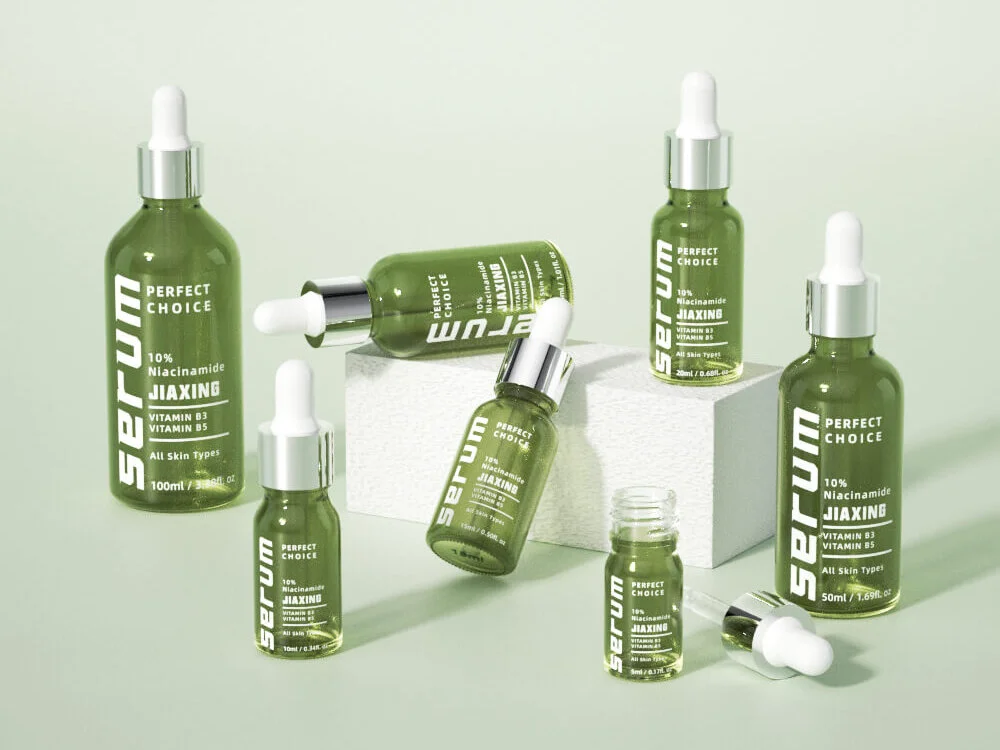
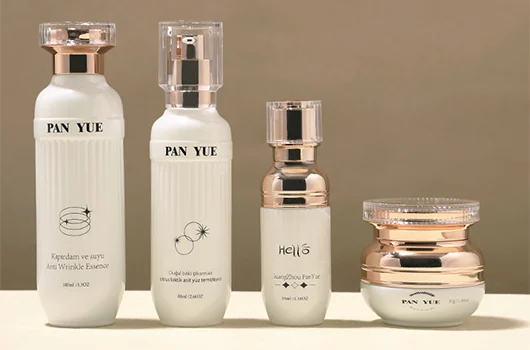
- Consumer Packaging: Bottles and jars for cosmetics, beverages, and pharmaceuticals frequently use glass printing for branding, product information, and tamper-evident features.
- Electronics and Displays: Touchscreens, control panels, and display covers rely on precise glass printing for circuit traces, icons, and functional coatings.
- Solar and Energy: Printed glass is used in photovoltaic panels and smart windows, where conductive inks and patterns are essential for energy generation and control.
These applications highlight the versatility and growing importance of glass printing in modern manufacturing.
Techniques and Technologies in Glass Printing
Several methods are employed depending on the end-use, production scale, and required durability. The two most prevalent techniques are screen printing and digital printing, each offering unique advantages.
Screen Printing for Glass
Screen printing remains a staple for high-volume and durable applications. It uses a mesh stencil to transfer ink onto the glass surface, allowing for thick, opaque layers and vibrant colors. This method is ideal for automotive glass, architectural panels, and packaging where consistency and resistance to abrasion are critical.
For those interested in a deeper comparison of printing methods, see this detailed overview of digital and screen printing options for glass.
Digital Printing Innovations
Digital glass printing has gained traction for its flexibility and ability to produce high-resolution, full-color images directly onto glass. This process uses specialized inks cured by UV light, making it suitable for short runs, prototyping, and complex designs. Digital methods are especially valuable for architectural features and custom branding, where each piece may require unique artwork.
Other Specialized Methods
In addition to screen and digital printing, other techniques such as ceramic frit printing, etching, and laser marking are used for specific industrial requirements. Ceramic frit printing involves fusing colored glass powders into the surface during tempering, resulting in permanent, weather-resistant graphics. Chemical etching and laser marking are preferred for fine details, frosted effects, and anti-counterfeiting features.
Benefits of Glass Printing for Manufacturers
The adoption of advanced glass printing delivers several advantages to manufacturers and their clients:
- Customization: Enables unique branding, personalization, and tailored product features for different markets.
- Durability: Printed graphics can be engineered to withstand UV exposure, abrasion, and chemicals, ensuring longevity in harsh environments.
- Functionality: Printed layers can add conductive, anti-glare, or privacy properties, expanding the functional range of glass products.
- Efficiency: Automated printing processes reduce labor costs and increase throughput, supporting large-scale production without sacrificing quality.
- Sustainability: Modern inks and processes, including solvent-free options, minimize environmental impact and support green manufacturing goals. For more on eco-friendly printing, see this guide to solvent-free printing processes.
Emerging Trends in Glass Printing Technology
As industries demand more from glass products, several trends are shaping the future of printing on this versatile material:
- Smart Glass Integration: Printed electronics and sensors are being embedded into glass for smart windows, interactive displays, and IoT devices.
- Photorealistic Printing: Advances in digital technology now allow for photographic quality images on glass, suitable for both commercial and artistic applications.
- Functional Coatings: Anti-fingerprint, antimicrobial, and solar control coatings are increasingly applied via printing methods, enhancing glass performance in healthcare, transportation, and construction.
- Sustainable Materials: The use of water-based and UV-curable inks is reducing emissions and waste, aligning with global sustainability initiatives.
Case Studies: Real-World Examples
To illustrate the impact of these technologies, consider the following examples:
- Automotive Glass: Modern vehicles use screen-printed ceramic frits for black-out areas, branding, and antenna integration, improving both aesthetics and functionality.
- Architectural Panels: High-rise buildings often feature digitally printed glass facades, combining artistic expression with solar control and privacy features.
- Consumer Packaging: Beverage and cosmetic brands rely on printed glass bottles for eye-catching labels, tamper evidence, and product differentiation.
- Business Branding: Custom glass signage is a popular choice for offices and retail spaces, offering a professional and durable branding solution. For more on this, see custom glass signs.

Choosing the Right Glass Printing Method
Selecting the best printing method depends on several factors, including production volume, required durability, design complexity, and budget. Screen printing is often preferred for large runs and applications demanding high resistance to wear, while digital printing excels in customization and rapid prototyping. For privacy or security needs, specialized techniques such as etching or ceramic frit are recommended.
Manufacturers should also consider regulatory requirements, environmental impact, and the intended use of the finished product. Consulting with experienced glass printers and staying updated on new technologies ensures optimal results and long-term value.
FAQs About Industrial Glass Printing
What industries benefit most from glass printing?
Sectors such as automotive, construction, electronics, packaging, and energy all leverage glass printing for branding, functionality, and technical features. The versatility of printed glass makes it valuable across a wide range of applications.
How durable are printed graphics on glass?
Durability depends on the printing method and materials used. Screen-printed and ceramic frit graphics are highly resistant to abrasion, UV exposure, and chemicals, making them suitable for outdoor and industrial environments. Digital prints are also robust, especially when UV-cured.
Can glass printing be used for privacy or security?
Yes, techniques like etching, ceramic frit, and specialty inks can create frosted, opaque, or patterned effects that enhance privacy and security. For more information, review resources on opaque glass printing techniques.
Conclusion
The landscape of industrial glass printing uses continues to expand as technology advances and market demands evolve. Whether for functional enhancements, branding, or design, printed glass is a vital component in modern manufacturing and technology. By understanding the available methods and their benefits, manufacturers and designers can unlock new possibilities for innovation and efficiency.




