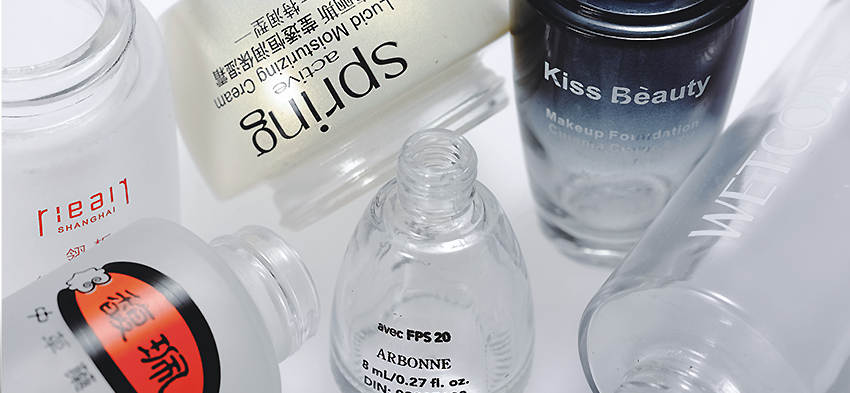

Glass signage printing has become a popular solution for businesses seeking a sleek, modern look for their branding, wayfinding, and promotional needs. This process allows for high-quality graphics, logos, and text to be applied directly onto glass surfaces, creating striking displays that stand out in any environment. Whether for office lobbies, retail storefronts, or hospitality venues, custom glass signs offer both durability and visual impact.
In this guide, we’ll explore the essentials of printing on glass, the techniques available, design considerations, and how to choose the right provider for your project. You’ll also find practical tips for maximizing the effectiveness of your signage and learn about related innovations in the world of printed glass.
For those interested in privacy solutions, you may want to explore opaque glass printing techniques to see how different methods can achieve both branding and privacy in commercial spaces.
Understanding the Process of Printing on Glass
The process of printing on glass surfaces involves several specialized techniques, each suited to different applications and budgets. The most common methods include:
- UV Digital Printing: Uses ultraviolet light to cure inks directly onto the glass, resulting in vibrant colors and sharp details. Ideal for both indoor and outdoor signage.
- Screen Printing: A traditional method where ink is pushed through a mesh stencil onto the glass. This is cost-effective for large runs and simple designs.
- Etching and Sandblasting: These methods create a frosted or textured effect, often used for subtle branding or decorative elements.
- Vinyl Application: Pre-printed vinyl graphics are adhered to the glass, offering flexibility for temporary or changeable signage.
Each technique has its own advantages. For example, UV printing is excellent for full-color images and complex graphics, while screen printing is preferred for bold, single-color logos or text. Etching provides a premium, tactile finish that’s popular for executive offices and high-end retail.
Benefits of Custom Commercial Glass Signs
Choosing glass as a medium for signage offers several unique benefits:
- Modern Aesthetic: Glass signs convey professionalism and sophistication, enhancing the perceived value of your brand.
- Durability: When produced with quality materials and printing processes, glass signage is resistant to fading, scratching, and weathering.
- Versatility: Suitable for both interior and exterior use, glass can be cut and shaped to fit any space or design concept.
- Easy Maintenance: Glass surfaces are simple to clean and maintain, ensuring your signage remains clear and attractive over time.
These advantages make glass a preferred choice for businesses aiming to create a lasting impression with their signage.
Key Design Considerations for Glass Signage
Effective glass signage printing starts with thoughtful design. Here are some tips to ensure your custom signs make the right impact:
- Contrast and Readability: Use high-contrast colors and bold fonts to ensure your message is legible against the transparent or reflective surface of glass.
- Brand Consistency: Incorporate your logo, brand colors, and typography to maintain a cohesive visual identity across all signage.
- Size and Placement: Consider the viewing distance and location. Larger graphics work well for exterior windows, while smaller, detailed designs suit interior doors or partitions.
- Lighting: Glass interacts with light in unique ways. Backlighting or edge lighting can enhance the visual effect and make your sign stand out, especially at night.
- Privacy Needs: For offices or meeting rooms, frosted or opaque sections can provide privacy while still allowing natural light to pass through.
For more inspiration on branding with glass, see our resource on custom glass signs and how they can elevate your business presence.
Choosing the Right Printing Technique
The best method for your project depends on your budget, design complexity, and intended use. Here’s a quick comparison:
| Technique | Best For | Durability | Color Range |
|---|---|---|---|
| UV Digital Printing | Full-color graphics, photos, gradients | High | Unlimited |
| Screen Printing | Simple logos, text, large runs | Very High | Limited (per color) |
| Etching/Sandblasting | Decorative, privacy, premium look | Permanent | N/A (frosted) |
| Vinyl Graphics | Temporary, changeable signage | Moderate | Wide |
For a deeper dive into environmentally friendly options, check out our guide to solvent-free printing processes for glass and other substrates.
Applications of Printed Glass Signs in Business
Custom glass signage is used in a variety of commercial settings, including:
- Corporate Offices: Lobby signs, conference room doors, and directional markers.
- Retail Stores: Window displays, promotional graphics, and branded partitions.
- Restaurants and Cafés: Menu boards, privacy screens, and decorative panels.
- Healthcare Facilities: Wayfinding signs, room identifiers, and safety notices.
- Hotels and Hospitality: Reception desk branding, elevator signage, and event space markers.
With the right design and technique, glass signs can reinforce your brand identity and improve the overall customer experience.
How to Select a Glass Printing Provider
When choosing a partner for your signage project, consider the following factors:
- Experience: Look for providers with a proven track record in glass signage printing and a portfolio of completed projects.
- Technology: Ensure they use modern equipment, such as UV printers or advanced screen printing setups, for the best results.
- Customization: The ability to match your brand colors, create custom shapes, and offer installation services is essential.
- Reviews and References: Check client testimonials and ask for references to gauge reliability and quality.
- Sustainability: If environmental impact is important, inquire about eco-friendly inks and processes, such as those described in our solvent-free printing guide.
For those interested in learning more about direct-to-glass printing, this overview of print on glass methods provides a detailed look at the latest industry innovations.
Maintaining and Caring for Glass Signs
Proper maintenance ensures your signage remains vibrant and effective for years. Here are some care tips:
- Use non-abrasive cleaners and soft cloths to avoid scratching the surface.
- Avoid harsh chemicals that could damage printed graphics or vinyl overlays.
- Inspect regularly for chips or cracks, especially on exterior installations.
- For etched or frosted signs, gently wipe to prevent buildup of dust or fingerprints.
With minimal upkeep, your glass signage will continue to enhance your business environment and attract attention.
Frequently Asked Questions
What is the most durable method for printing on glass?
Screen printing and UV digital printing are both highly durable. UV printing offers vibrant, full-color images with excellent resistance to fading and weathering, while screen printing is ideal for bold, long-lasting single-color designs.
Can glass signs be used outdoors?
Yes, many glass signs are designed for exterior use. When produced with weather-resistant inks and proper installation, they can withstand sun, rain, and temperature changes. Always confirm with your provider that the materials and printing technique are suitable for outdoor environments.
How do I choose between etched and printed glass signage?
Etched glass provides a subtle, frosted appearance that’s ideal for privacy and a premium look. Printed glass allows for colorful, detailed graphics and is better for branding or promotional messages. The choice depends on your design goals and the atmosphere you want to create.
Conclusion
Custom glass signage offers businesses a modern, professional way to communicate their brand and enhance their space. By understanding the available printing techniques, design best practices, and maintenance requirements, you can ensure your investment delivers lasting value. Explore the possibilities with experienced providers and elevate your commercial environment with the clarity and sophistication of printed glass.