When it comes to achieving vibrant, true-to-life colors in glass printing, the type of substrate makes all the difference. Low iron glass printing benefits professionals and brands seeking the highest standards of clarity, color accuracy, and visual impact. Unlike standard float glass, which contains higher levels of iron oxide that can impart a greenish tint, low iron glass is engineered for maximum transparency. This unique property allows printed designs to appear brighter, more vivid, and closer to the designer’s original intent.
Whether you’re involved in architectural projects, luxury packaging, or decorative applications, understanding the advantages of low iron glass can help you deliver exceptional results. This article explores the key reasons why this material is favored for premium glass printing, how it compares to conventional options, and where it can make the biggest impact.

For those looking to avoid common mistakes in glass printing, starting with the right glass substrate is a crucial first step. Let’s dive into what sets low iron glass apart and how it can elevate your next project.
What Makes Low Iron Glass Unique?
Standard glass contains natural iron impurities that give it a subtle green hue, especially noticeable at the edges or in thicker panels. Low iron glass, sometimes called “extra clear” or “optically clear” glass, is manufactured with significantly reduced iron content. This process results in a crystal-clear appearance, allowing light and color to pass through with minimal distortion.
- Transparency: Low iron glass transmits more visible light, making it ideal for applications where clarity is essential.
- Color Neutrality: The absence of the green tint ensures that printed colors remain true and unaltered.
- Premium Look: Its pure, clear finish is often associated with high-end and luxury products.
How Low Iron Glass Enhances Printed Color
One of the most significant advantages of printing on low iron glass is the way it preserves and amplifies color. When inks or enamels are applied to standard glass, the inherent greenish cast can dull or shift the intended hues. In contrast, low iron glass acts as a neutral canvas, letting every pigment shine through with maximum fidelity.
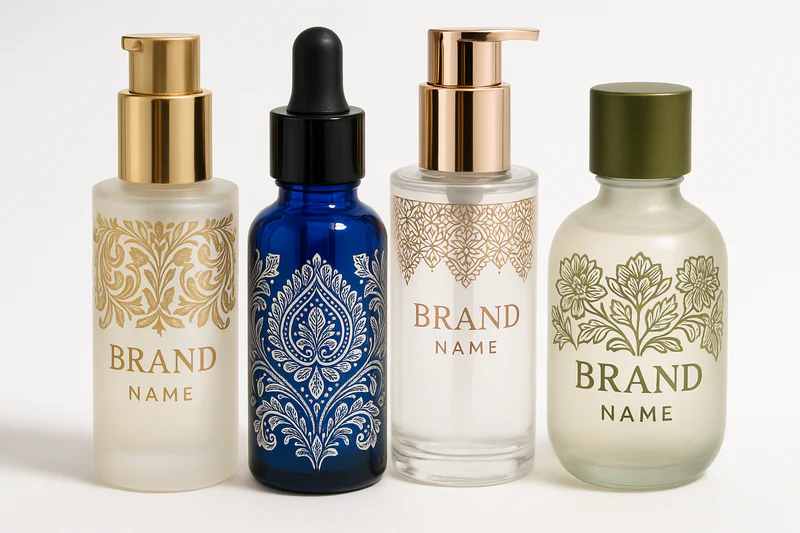
This is especially important for projects where branding, artwork, or product presentation relies on precise color reproduction. For example, luxury cosmetic bottles, architectural panels, and custom glass signage all benefit from the enhanced vibrancy and sharpness that low iron glass provides.
Key Benefits of Printing on Low Iron Glass
Choosing low iron glass as your printing substrate offers several distinct advantages:
-
Ultimate Color Clarity
The most celebrated benefit is the unmatched clarity and brightness of printed colors. Designs appear crisp, saturated, and true to the original artwork, making them stand out in any setting. -
Enhanced Light Transmission
With higher light transmittance, low iron glass is perfect for backlit displays, architectural features, and interior partitions where both transparency and color are important. -
Professional and Luxurious Finish
The pure, clear surface elevates the perceived value of products, from perfume bottles to decorative wall panels, making them more appealing to discerning customers. -
Versatility Across Applications
Whether you’re working on creative uses of printed glass for interiors or branding displays, low iron glass adapts seamlessly to various printing techniques and project requirements.
Comparing Low Iron and Standard Glass for Printing
To better understand the impact of glass choice on print quality, consider the following comparison:
| Property | Standard Glass | Low Iron Glass |
|---|---|---|
| Color Tint | Greenish hue, especially at edges | Crystal clear, no visible tint |
| Light Transmission | Lower (typically 80–85%) | Higher (up to 91–92%) |
| Color Accuracy | Colors may appear muted or shifted | Colors remain vivid and true |
| Applications | General glazing, basic printing | Premium printing, luxury packaging, art glass |
This side-by-side view highlights why low iron glass is the preferred choice for projects where color and clarity are non-negotiable.
Popular Applications for Low Iron Glass Printing
The unique properties of low iron glass make it suitable for a range of high-impact uses:
- Architectural Features: Wall cladding, partitions, balustrades, and facades that require both transparency and design.
- Luxury Packaging: Perfume bottles, cosmetic containers, and spirits packaging where brand colors must pop.
- Interior Design: Custom printed panels, splashbacks, and decorative elements for homes and commercial spaces.
- Branding Displays: Retail signage, point-of-sale displays, and exhibition graphics that demand attention.
For more inspiration on how printed glass can be used in upscale environments, see high end interior glass applications and branding opportunities with printed glass.
Printing Techniques and Considerations
Low iron glass is compatible with a variety of printing processes, including screen printing, digital ceramic printing, and UV printing. Each method offers unique possibilities for color, texture, and durability. For a detailed look at the technical aspects, explore this guide to glass printing techniques.
When working with low iron glass, keep in mind:
- Surface preparation is key for optimal ink adhesion and longevity.
- Choose inks or enamels formulated for glass to ensure durability and scratch resistance.
- Consider the thickness and intended use of the glass to select the right printing approach.
For those interested in technology-driven applications, smart device glass printing showcases how precision coatings and advanced techniques are pushing the boundaries of what’s possible.
Frequently Asked Questions
What is the main advantage of using low iron glass for printing?
The primary benefit is exceptional color clarity. Low iron glass eliminates the greenish tint found in standard glass, allowing printed designs to appear brighter, more accurate, and visually striking.
Is low iron glass more expensive than regular glass?
Yes, low iron glass typically costs more due to its specialized manufacturing process and superior optical qualities. However, the investment is justified for projects where color fidelity and a premium appearance are critical.
Can any printing technique be used on low iron glass?
Most common glass printing methods—including screen printing, digital ceramic, and UV printing—work well on low iron glass. It’s important to select inks and processes that are compatible with glass substrates for the best results.
Where is low iron glass printing most commonly used?
This material is popular in luxury packaging, architectural features, interior design, and high-end branding displays—anywhere that demands vivid color and a flawless finish.
Conclusion
Choosing low iron glass for your next printing project ensures that every color, detail, and design element is showcased at its best. From luxury packaging to architectural installations, the benefits of this ultra-clear substrate are clear: unmatched color accuracy, enhanced brightness, and a premium look that sets your work apart. By understanding the unique properties and applications of low iron glass, you can deliver results that exceed expectations and stand the test of time.