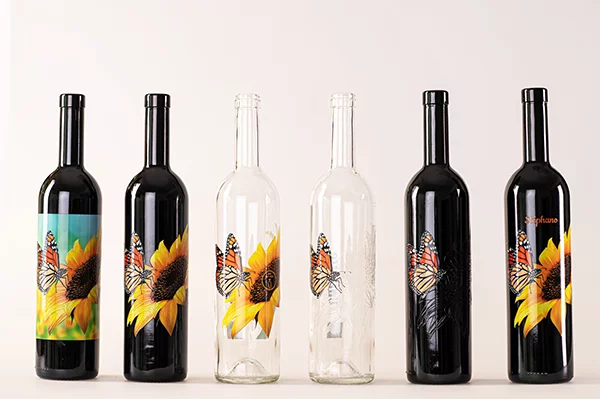

Choosing the best glass types for printing is essential for achieving vibrant, durable, and professional-looking results. Whether you’re customizing bottles, creating decorative panels, or producing branded displays, the type of glass you select directly impacts print quality, adhesion, and longevity. This guide will help you understand the main glass substrates used in printing, their unique characteristics, and how to select the most suitable base for your project.
Understanding the nuances of glass printing can help you avoid costly errors and unlock creative possibilities. For further insights into challenges and solutions, check out common mistakes in glass printing to ensure your projects start on the right foot.
Why Glass Selection Matters in Printing
Not all glass is created equal. The base you choose affects ink adhesion, color vibrancy, and the durability of the finished product. Factors such as surface smoothness, chemical composition, and clarity determine how well different printing methods—like screen printing, digital printing, or etching—perform on the glass. Selecting the optimal substrate can also reduce production issues and enhance the overall appearance of your design.
Key Glass Types Used in Printing Applications
Let’s explore the most common glass varieties used as printing bases, their pros and cons, and the typical applications for each.
1. Soda-Lime Glass: The Industry Standard
Soda-lime glass is the most widely used type for printing. It’s affordable, easy to process, and offers a smooth surface that works well with most inks and coatings. This glass is commonly found in bottles, jars, and flat panels for interior décor.
- Advantages: Cost-effective, widely available, good print adhesion.
- Drawbacks: Can be prone to scratches and thermal shock if not tempered.
- Best for: Beverage bottles, cosmetic containers, signage, and decorative panels.
2. Borosilicate Glass: High Durability for Specialized Uses
Borosilicate glass contains boron trioxide, which makes it more resistant to heat and chemicals. This type is preferred for laboratory equipment, cookware, and high-end drinkware where durability is crucial.
- Advantages: Excellent thermal and chemical resistance, less likely to crack under stress.
- Drawbacks: More expensive and sometimes harder to source in custom shapes.
- Best for: Laboratory glassware, premium bottles, and products requiring frequent washing or exposure to heat.
3. Tempered Glass: Safety and Strength
Tempered glass is heat-treated to increase its strength and safety. When broken, it shatters into small, blunt pieces rather than sharp shards. This makes it ideal for applications where safety is a priority, such as shower doors, tabletops, and architectural panels.
- Advantages: Enhanced safety, higher impact resistance, suitable for large installations.
- Drawbacks: Cannot be cut or drilled after tempering; must be printed before the tempering process.
- Best for: Interior design features, partitions, and public installations.
4. Low-Iron (Optiwhite) Glass: Superior Clarity
Low-iron glass is manufactured to reduce the greenish tint found in standard glass, resulting in exceptional clarity and true color reproduction. This makes it a top choice for projects where color accuracy and transparency are critical.
- Advantages: Crystal-clear appearance, vibrant print colors, premium look.
- Drawbacks: Higher cost compared to standard soda-lime glass.
- Best for: High-end displays, art installations, and luxury branding applications.
5. Frosted and Etched Glass: Decorative Effects
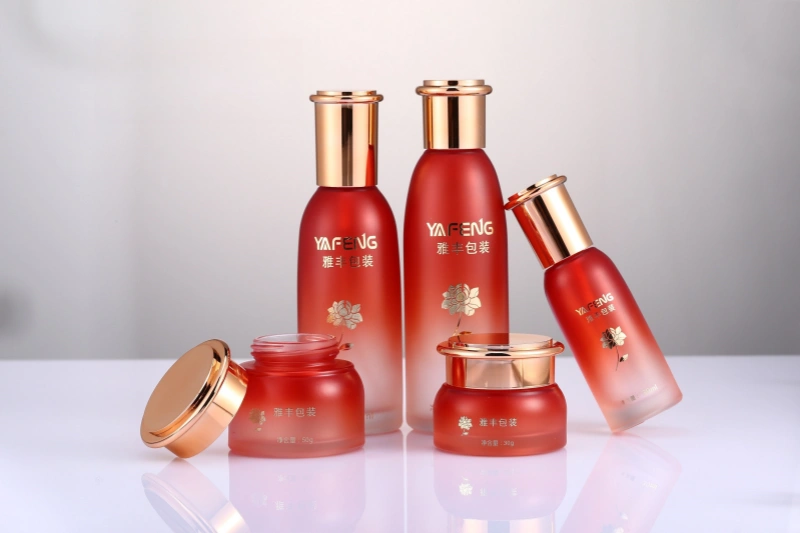
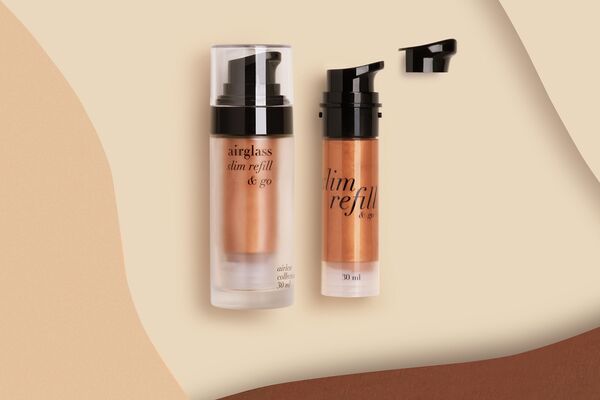
Frosted or etched glass offers a matte, translucent finish that diffuses light and adds privacy. These surfaces can be created chemically or by sandblasting and are often used for decorative purposes.
- Advantages: Unique visual effects, can be combined with color printing for layered designs.
- Drawbacks: May require special inks or adhesives for optimal adhesion.
- Best for: Office partitions, decorative windows, and branded glassware.
Matching Printing Methods to Glass Types
The compatibility of printing techniques with your chosen glass substrate is just as important as the glass itself. Here’s how popular methods align with different glass types:
- Screen Printing: Works well on soda-lime, borosilicate, and low-iron glass. It’s ideal for bold, opaque designs and high-volume runs.
- Digital UV Printing: Suitable for flat and curved surfaces, especially low-iron and tempered glass. Offers full-color, high-resolution results.
- Etching and Sandblasting: Best for frosted or decorative finishes, often combined with clear or colored glass for layered effects.
For a deeper dive into printing processes, see this overview of glass printing methods for additional technical details.
Factors to Consider When Selecting a Glass Base
To ensure the best results for your glass printing project, keep these considerations in mind:
- Intended Use: Will the item be decorative, functional, or exposed to frequent handling and cleaning?
- Print Durability: Does the print need to withstand washing, UV exposure, or abrasion?
- Surface Finish: Is a glossy, matte, or textured effect required?
- Budget: Higher-quality glass may increase costs but can elevate the final product’s appearance and lifespan.
- Color and Clarity: For projects where color fidelity is crucial, opt for low-iron or extra-clear glass.
Creative and Commercial Applications
Printed glass is used in a variety of settings, from luxury packaging to architectural features. For inspiration on how to use printed glass in unique ways, see these resources:
- Creative uses of printed glass for interior design and décor ideas.
- Branding opportunities with printed glass for retail and promotional displays.
- High end interior glass applications for luxury homes and commercial spaces.
For those interested in advanced technology, smart device glass printing explores coatings and methods for electronics and precision components.
Frequently Asked Questions
What is the most commonly used glass for printing?
Soda-lime glass is the most prevalent base due to its affordability, availability, and compatibility with a wide range of printing techniques.
Can any type of glass be printed on?
Most glass types can be printed on, but results vary depending on surface treatment, ink compatibility, and the chosen printing method. Some specialty glasses may require pre-treatment or specific inks for optimal adhesion.
How do I ensure my print will last on glass?
Choose a glass type suitable for your application, use inks designed for glass surfaces, and consider post-print treatments like curing or protective coatings. Proper cleaning and handling also extend the life of printed designs.
Is low-iron glass worth the extra cost for printing?
If color accuracy, transparency, and a premium look are priorities, low-iron glass is a worthwhile investment. It’s especially recommended for high-end branding and display projects.
Conclusion
Selecting the right glass base is a foundational step for successful printing projects. By understanding the properties of each glass type and matching them with your intended application and printing method, you can achieve results that are both visually striking and long-lasting. Whether you’re working on commercial branding, interior design, or custom packaging, the right choice of glass will elevate your finished product and ensure it stands the test of time.