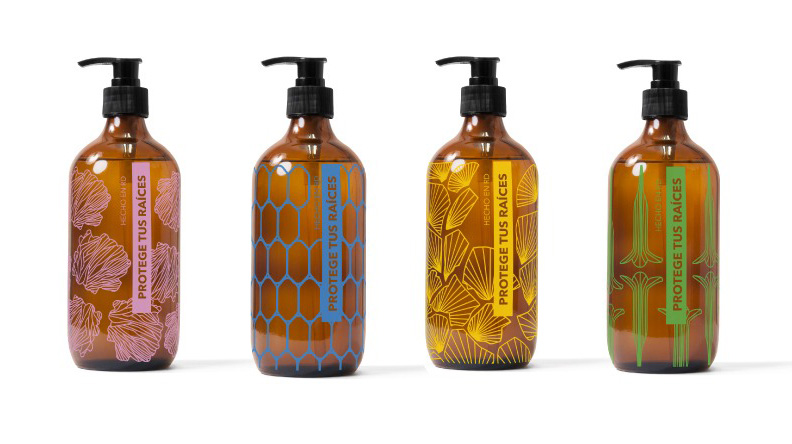

UV printing on glass has rapidly transformed the way designers, manufacturers, and brands approach glass decoration. With its ability to deliver sharp, vibrant graphics and nearly instant curing, this technology is now a top choice for everything from cosmetic bottles to architectural panels. Whether you’re a business seeking eye-catching packaging or a creative professional exploring new surfaces, understanding the process, benefits, and best practices of UV-curable printing on glass can help you achieve outstanding results.
In this article, we’ll break down how this advanced printing method works, what makes it unique, and how it compares to other glass decoration techniques. We’ll also highlight key applications, tips for achieving the best print quality, and important considerations to help you avoid common mistakes in glass printing as you explore the possibilities of this innovative process.
How UV-Curable Printing Works on Glass Surfaces
The process of UV printing on glass relies on specialized inks that cure instantly when exposed to ultraviolet light. Unlike traditional solvent-based or water-based inks, UV inks contain photoinitiators that react to UV energy. When the ink is jetted or screened onto the glass, a UV lamp immediately follows, triggering a chemical reaction that hardens the ink within seconds. This fast curing process means there’s no need for drying time, and the result is a durable, scratch-resistant image with vivid color and crisp detail.
UV-curable technology is compatible with both flat and curved glass objects. Printers can handle everything from small perfume bottles to large architectural panels, making the process highly versatile. The instant curing also prevents ink from spreading or bleeding, which is crucial for maintaining sharp lines and intricate designs.
Key Advantages of UV Printing for Glass Decoration
Choosing UV technology for glass decoration offers several important benefits:
- Fast turnaround: Prints are cured instantly, allowing for immediate handling and packaging.
- Vivid, opaque colors: UV inks produce bright, high-opacity images that stand out even on clear or colored glass.
- Durability: The cured ink is resistant to scratches, chemicals, and fading, making it suitable for demanding environments.
- Eco-friendly: UV inks emit minimal volatile organic compounds (VOCs) compared to solvent-based options.
- Versatility: Suitable for a wide range of glass products, from drinkware and bottles to signage and interior panels.
These advantages make UV-curable printing a preferred choice for industries where speed, quality, and durability are essential.
Popular Applications: From Cosmetics to Interior Design
The ability to print directly on glass with brilliant color and fine detail has opened up new creative possibilities. Some of the most common uses include:
- Cosmetic and perfume bottles: Brands use UV printing to add logos, product information, and decorative graphics that resist wear and moisture.
- Drinkware: Custom glasses, mugs, and tumblers benefit from durable, dishwasher-safe prints.
- Architectural glass: Interior designers and architects use printed glass for partitions, wall panels, and backsplashes, creating unique visual effects.
- Retail displays: Printed glass enhances branding opportunities in stores and showrooms.
Comparing UV Printing with Other Glass Printing Methods
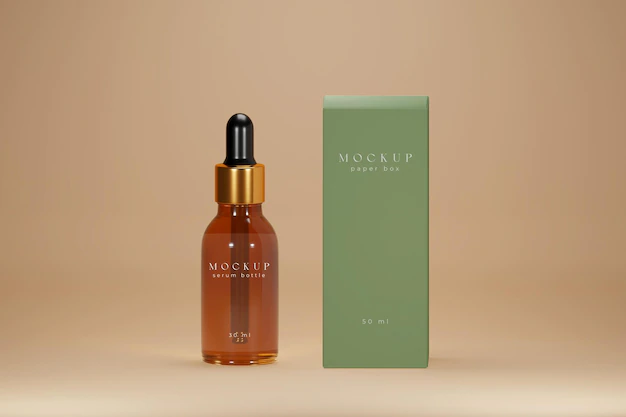
While UV printing on glass offers many advantages, it’s helpful to understand how it compares to other techniques:
| Method | Color Vibrancy | Durability | Speed | Best For |
|---|---|---|---|---|
| UV Printing | Excellent | High | Very Fast | Short runs, custom designs |
| Screen Printing | Good | Very High | Moderate | Large batches, simple graphics |
| Decal Transfer | Good | Moderate | Slow | Complex, multi-color images |
| Etching | Subtle (frosted) | Very High | Slow | Textured effects, logos |
UV-curable technology stands out for its speed and ability to reproduce full-color images with minimal setup. For more information about creative approaches, see creative uses of printed glass in interior design and branding.
Tips for Achieving the Best Results with UV-Curable Inks
To get the most from UV-curable printing on glass, consider these practical tips:
- Surface preparation: Clean glass thoroughly to remove dust, oils, or residues. Some applications may require a primer for optimal ink adhesion.
- Artwork setup: Use high-resolution graphics and ensure colors are set to CMYK for accurate reproduction.
- Printer settings: Adjust ink density and curing speed based on the glass type and desired finish.
- Test prints: Always run a test print to check color accuracy and adhesion before starting a full production run.
- Post-print handling: Although UV inks cure instantly, allow prints to cool before stacking or packaging to prevent surface marks.
By following these guidelines, you can achieve professional-quality prints that stand up to real-world use.
Choosing the Right UV Printer and Inks for Glass Projects
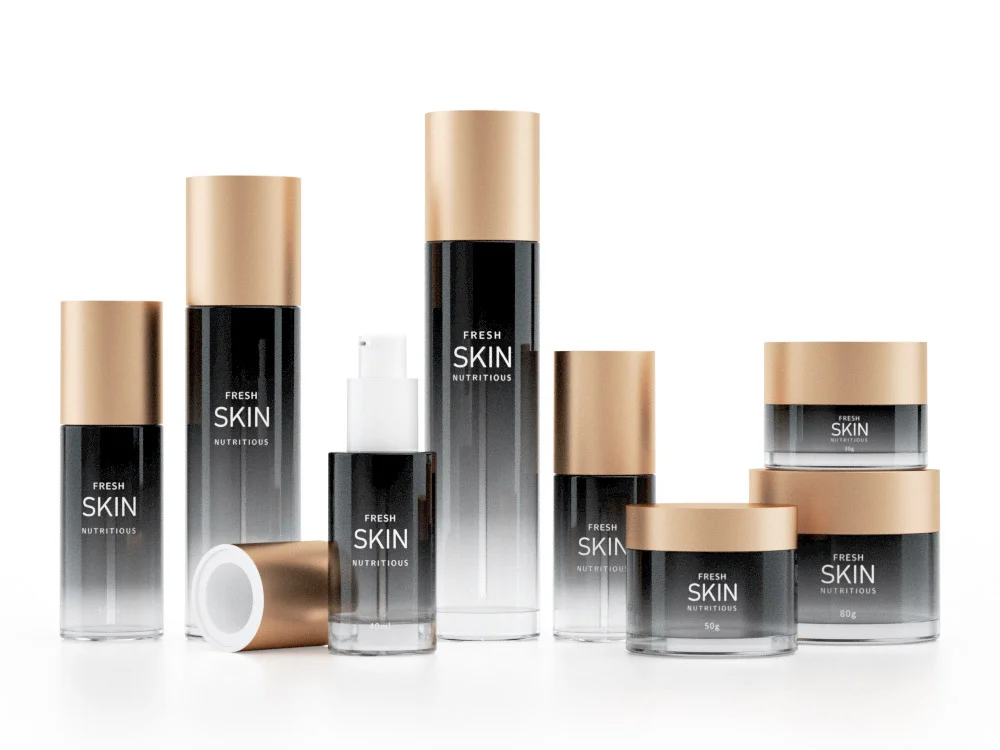
Not all UV printers and inks are created equal. When selecting equipment for glass decoration, look for printers designed to handle rigid substrates and inks specifically formulated for glass adhesion. Some printers offer features like white ink, varnish, or multi-layer printing for added effects. It’s also important to consider the size of your typical projects and whether you need to print on flat sheets or cylindrical objects.
For those interested in DIY or small-scale production, starter kits and etching creams are available online. For example, the Caydo Screen Printing Kit and Armour Etch Cream can be useful for experimenting with different techniques before scaling up to professional equipment.
Industry Trends and Innovations in Glass Printing
The world of glass decoration continues to evolve. Recent trends include the use of UV-curable inks for smart device glass printing, where precision and durability are critical. There’s also growing interest in combining UV printing with other methods, such as etching or screen printing, to create layered effects and tactile finishes.
As digital printing technology advances, expect to see even more creative applications, including high-end interior glass installations and custom branding for luxury products. For a deeper dive into these applications, check out the article on high end interior glass applications.
Best Practices and Common Pitfalls to Avoid
To ensure success with UV-curable printing on glass, keep these best practices in mind:
- Always test ink adhesion on your specific glass substrate before full production.
- Store inks and primers according to manufacturer recommendations to maintain performance.
- Regularly clean printheads and UV lamps to prevent defects and maintain consistent quality.
- Stay updated on safety guidelines for handling UV inks and equipment.
For a comprehensive overview of issues to watch out for, see the guide on common mistakes in glass printing.
Frequently Asked Questions
What makes UV printing different from traditional glass printing methods?
UV-curable printing uses inks that harden instantly under ultraviolet light, resulting in fast production, bright colors, and excellent durability. Unlike solvent or water-based printing, there’s no need for drying time, and the prints are more resistant to scratches and chemicals.
Can UV-curable inks be used on any type of glass?
Most types of glass can be printed with UV-curable inks, but surface preparation is key. Some glass may require a primer or pre-treatment to ensure proper ink adhesion, especially for items exposed to frequent handling or washing.
Is UV printing suitable for outdoor or high-traffic applications?
Yes, the cured inks are highly durable and resistant to fading, making them suitable for signage, displays, and other applications exposed to sunlight and frequent use. For added protection, a clear varnish layer can be applied.
Where can I learn more about advanced glass printing techniques?
For further reading, explore resources such as detailed guides on printing on glass or browse articles about branding opportunities with printed glass for business applications.
UV-curable technology continues to set new standards for speed, quality, and versatility in glass decoration. By understanding the process and following best practices, you can unlock the full creative and commercial potential of direct-to-glass printing.