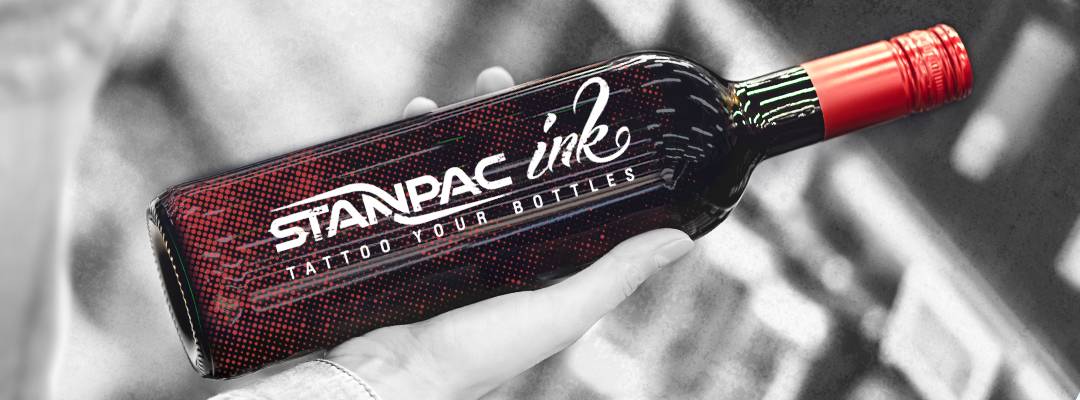

The tempered glass printing process has become a cornerstone in modern manufacturing, blending durability with visual appeal for a variety of applications. From decorative panels and branded bottles to high-end interior features, printed tempered glass offers both resilience and creative possibilities. Understanding how this process works, its advantages, and the techniques involved can help businesses and designers make informed choices for their projects.
Whether you’re interested in the technical steps, the design flexibility, or the practical uses of printed glass, this article will guide you through the essentials. We’ll also highlight common pitfalls and link to deeper resources, such as common mistakes in glass printing, to help you achieve the best results.
What Makes Tempered Glass Unique?
Tempered glass is engineered through a controlled thermal or chemical process that increases its strength compared to regular glass. This process involves heating the glass to high temperatures and then rapidly cooling it, which creates internal stresses. The result is a product that is not only tougher but also safer—when broken, it shatters into small, blunt pieces rather than sharp shards.
These properties make tempered glass ideal for areas where both safety and durability are priorities, such as in architectural features, shower enclosures, and branded packaging. With the addition of printing, tempered glass can also serve as a canvas for vibrant graphics, logos, or functional markings.
Key Steps in the Tempered Glass Printing Process
The journey from clear glass to a finished, printed product involves several precise steps. Here’s a breakdown of the typical workflow:
- Design Preparation: The process begins with preparing the artwork or graphics to be printed. This may involve digital design, color separation, and ensuring the image is suitable for glass application.
- Glass Cleaning: The glass surface must be meticulously cleaned to remove dust, oils, and residues. Any contamination can affect print adhesion and quality.
- Application of Ink or Coating: Specialized ceramic inks or enamels are commonly used. These are applied using methods such as screen printing, digital printing, or pad printing, depending on the complexity and scale of the design.
- Drying and Curing: After printing, the ink must be dried or cured. For ceramic inks, this typically involves firing the glass in a tempering furnace, which fuses the ink to the surface and ensures lasting durability.
- Tempering: In many workflows, the glass is printed before tempering. The tempering process not only strengthens the glass but also permanently bonds the printed design, making it resistant to scratching and fading.
- Quality Inspection: The final product is inspected for defects, color consistency, and print accuracy before being packaged or installed.
For a more detailed look at the technical aspects, you can explore this comprehensive guide to printing on glass.
Popular Techniques for Printing on Tempered Glass
Several methods are used to achieve high-quality, durable prints on glass. The choice of technique depends on the intended use, design complexity, and production volume.
- Screen Printing: This traditional method uses a mesh stencil to apply ink onto the glass. It’s ideal for bold, opaque designs and is widely used for signage, appliance panels, and branded bottles.
- Digital Printing: Advances in digital technology allow for full-color, high-resolution images to be printed directly onto glass surfaces. This method is perfect for custom artwork, photographic images, and short runs.
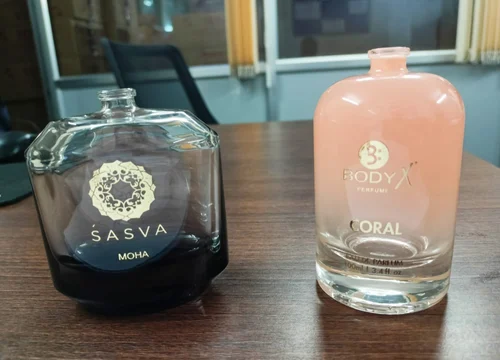
- Pad Printing: Used for smaller or curved surfaces, pad printing transfers ink from a silicone pad to the glass, making it suitable for items like perfume bottles or glassware.
- Etching and Sandblasting: While not technically printing, these techniques create frosted or textured effects that can be combined with printed elements for added depth and style.
Applications and Benefits of Printed Tempered Glass
Printed tempered glass finds its way into a wide range of industries and settings. Some of the most common applications include:
- Architectural Features: Used in partitions, doors, balustrades, and facades, printed glass adds both privacy and decorative flair to interiors and exteriors.
- Branding and Packaging: Companies leverage printed glass bottles and containers to enhance product appeal and communicate brand identity. For more inspiration, see branding opportunities with printed glass.
- Home Decor: Splashbacks, tabletops, and shower screens can all be customized with unique graphics or patterns, offering a personalized touch to living spaces.
- Technology and Appliances: Printed glass is used for control panels, smart device covers, and display screens, combining functionality with sleek aesthetics. Learn more about smart device glass printing for precision applications.
The advantages of using printed tempered glass include:
- Enhanced Strength: The tempering process ensures the glass is highly resistant to impact and thermal stress.
- Long-Lasting Graphics: Firing the ink during tempering bonds it permanently to the glass, making it resistant to scratching, fading, and chemicals.
- Design Flexibility: From bold colors to subtle textures, the range of possible effects is vast.
- Easy Maintenance: The smooth, non-porous surface is easy to clean and maintain, even in demanding environments.
Design Considerations and Best Practices
To achieve the best results with the tempered glass printing process, consider these important factors:
- Artwork Preparation: Use high-resolution files and ensure colors are specified for ceramic or UV inks as needed.
- Glass Selection: Choose the right thickness and clarity for your application. Low-iron glass offers superior color accuracy for printed designs.
- Print Placement: Decide whether the print will be on the front (exposed) or back (protected) surface, depending on wear and cleaning requirements.
- Quality Assurance: Work with experienced printers who understand the nuances of glass substrates and ink compatibility.
For those interested in exploring innovative uses, check out ideas for creative uses of printed glass for unique interiors.
Challenges and How to Avoid Them
While the tempered glass printing process offers many advantages, it also presents unique challenges. Issues such as ink adhesion, color shifts during tempering, and surface contamination can impact quality. To minimize these risks:
- Work with suppliers who have proven experience in glass printing.
- Test inks and artwork on samples before full production.
- Maintain strict cleanliness throughout the process.
- Refer to resources on common mistakes in glass printing to learn from industry best practices.
Frequently Asked Questions
How durable is printed tempered glass?
Printed tempered glass is highly durable. The tempering process strengthens the glass, while firing the ink during production ensures that graphics are permanently bonded, making them resistant to scratches, fading, and most chemicals.
Can any design be printed on tempered glass?
Most designs can be adapted for glass printing, but some limitations exist regarding color accuracy and fine details, especially with certain printing methods. High-resolution artwork and proper color management are key for the best results.
Is printed tempered glass suitable for outdoor use?
Yes, when produced with ceramic inks and properly tempered, printed glass can withstand outdoor conditions. It resists UV exposure, temperature changes, and moisture, making it suitable for facades, signage, and exterior architectural features.
Conclusion
The tempered glass printing process combines strength and style, making it a preferred choice for applications that demand both durability and visual impact. By understanding the steps involved, the available techniques, and best practices, you can unlock the full potential of printed glass in your next project. For more insights and inspiration, explore related topics like high end interior glass applications and discover how printed glass can transform both commercial and residential spaces.