When it comes to customizing glass surfaces, two techniques stand out: glass printing and etching. Both offer unique visual effects and practical benefits, but choosing the right method depends on your project goals, budget, and desired finish. This article provides a clear comparison of these popular glass decoration processes, examining how they work, their pros and cons, and which applications suit each best.
Whether you’re designing interior décor, branding products, or crafting personalized gifts, understanding the differences between printed and etched glass will help you make an informed decision. We’ll also highlight some common mistakes in glass printing to avoid, ensuring your next project achieves professional results.
Understanding Printed Glass: Process and Advantages
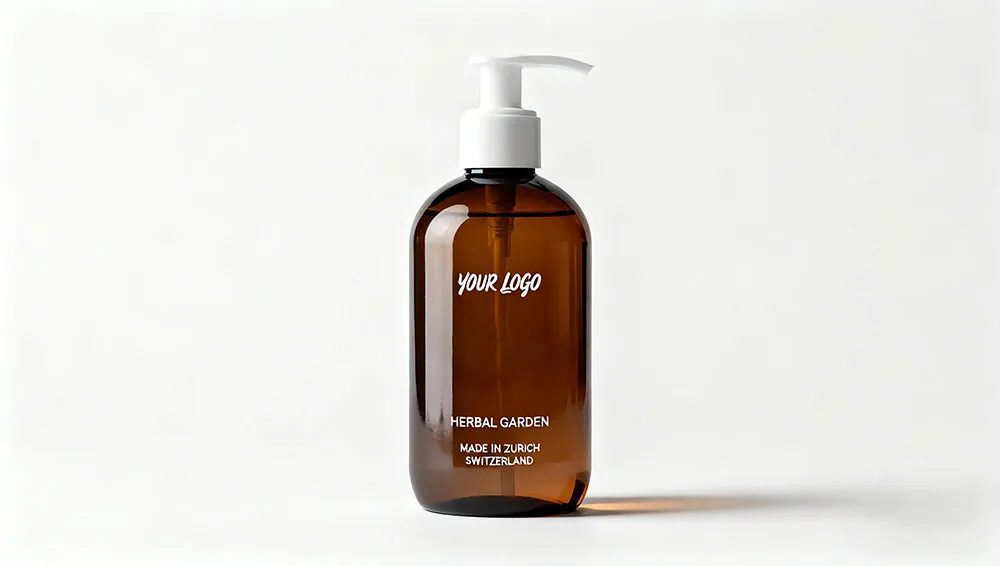
Glass printing involves applying colored inks or ceramic enamels directly onto the glass surface. The most common methods are screen printing and digital printing. In screen printing, a stencil and squeegee are used to transfer ink onto the glass, while digital printing uses specialized printers for high-resolution images and gradients.
After printing, the glass is typically fired in a kiln to fuse the ink, making the design durable and resistant to fading or scratching. This method is popular for both decorative and functional purposes, including signage, architectural panels, and branded bottles.
- Vivid Colors & Complex Designs: Printed glass can display intricate patterns, gradients, and even photographic images.
- Customization: Each piece can be uniquely tailored, making it ideal for limited runs or personalized items.
- Durability: When kiln-fired, the printed layer becomes part of the glass, offering long-lasting results.
- Versatility: Suitable for flat and curved surfaces, and compatible with various glass types.
For more inspiration on how printed glass can transform interiors, see these creative uses of printed glass in unique spaces.
Exploring Glass Etching: Techniques and Effects
Etching creates a frosted or textured appearance by removing a thin layer of glass. The two main approaches are acid etching and sandblasting. Acid etching uses chemicals to corrode the surface, while sandblasting propels fine abrasive particles at high speed to achieve a similar effect.
Etched glass is valued for its subtle, elegant look and tactile finish. It is commonly used for privacy panels, decorative windows, awards, and glassware.
- Elegant, Matte Finish: Etching produces a soft, diffused look that scatters light and reduces glare.
- Permanent Designs: The process physically alters the glass, so the effect won’t wear off or fade.
- Privacy: Frosted glass is ideal for bathrooms, offices, and doors where light is needed but visibility is restricted.
- Low Maintenance: Fingerprints and smudges are less visible on etched surfaces compared to clear glass.
For those interested in luxury home applications, explore high end interior glass applications that often blend etched and printed techniques for stunning results.
Comparing Glass Printing and Etching: Key Differences
When evaluating glass printing vs etching, it’s important to consider several factors that influence the final outcome:
| Aspect | Printed Glass | Etched Glass |
|---|---|---|
| Visual Style | Vivid, colorful, detailed | Subtle, frosted, monochrome |
| Durability | High (when kiln-fired) | Permanent (surface-altered) |
| Customization | Unlimited colors, images, text | Limited to patterns, logos, text |
| Maintenance | Resistant to scratches, easy to clean | Hides fingerprints, low upkeep |
| Cost | Varies (higher for complex designs) | Generally lower for simple patterns |
| Applications | Signage, branding, décor, devices | Privacy glass, awards, glassware |
For a deeper dive into the technology behind printed glass for electronics, see our guide on smart device glass printing.
When to Choose Printed or Etched Glass?
The best choice depends on your project’s priorities. If you need bold colors, branding, or photographic detail, printed glass is the clear winner. It’s especially effective for commercial signage, retail displays, and decorative panels where visual impact matters.
Etched glass, on the other hand, excels in settings where subtlety and privacy are key. Its frosted finish diffuses light beautifully, making it ideal for office partitions, shower screens, and commemorative awards. Etching is also preferred for projects where tactile texture and understated elegance are desired.
For branding and promotional displays, printed glass offers more flexibility. Discover more about branding opportunities with printed glass and how it can elevate your business image.
Cost, Durability, and Maintenance Considerations
Budget is often a deciding factor. Simple etched designs can be more affordable than full-color prints, especially for large quantities. However, advanced etching (such as multi-stage sandblasting or intricate masking) can increase costs.
Printed glass, especially with digital technology, allows for small runs and rapid prototyping, but complex or multi-layered prints may require a higher investment. Both methods produce durable results: kiln-fired prints resist fading and abrasion, while etched surfaces are permanent and require minimal upkeep.
Maintenance is straightforward for both. Printed glass can be cleaned with standard glass cleaners, while etched glass hides fingerprints and smudges, reducing the need for frequent cleaning.
Environmental Impact and Safety
Both glass decoration methods have environmental considerations. Screen printing uses inks and solvents, some of which may require careful disposal. However, many modern inks are formulated to be eco-friendly and low in volatile organic compounds (VOCs).
Etching with acid requires strict safety protocols and responsible waste management to prevent harm to users and the environment. Sandblasting produces dust, so proper ventilation and protective equipment are essential. When choosing a supplier, ask about their environmental policies and safety standards.
Choosing the Right Supplier or DIY Kit
For commercial projects, working with experienced professionals ensures high-quality, consistent results. If you’re interested in DIY, there are kits available for both printing and etching. For example, the Caydo Screen Printing Kit is a popular choice for beginners, while Armour Etch Cream makes it easy to create frosted designs at home.
For those seeking advanced solutions, some companies offer professional glass printing services using state-of-the-art equipment for vibrant, long-lasting results.
FAQ: Glass Decoration Methods Explained
What is the main difference between glass printing and etching?
Glass printing applies colored inks or enamels onto the surface, allowing for vibrant, detailed images and logos. Etching removes a thin layer of glass to create a frosted or textured effect, resulting in a subtle, monochrome appearance.
Is printed glass as durable as etched glass?
Both methods produce durable results. Kiln-fired printed glass is highly resistant to fading and scratching, while etched glass is permanent because the surface itself is altered. Maintenance needs are minimal for both.
Which method is better for privacy panels?
Etched glass is generally preferred for privacy panels because its frosted finish diffuses light and obscures visibility without blocking illumination. Printed glass can also be used, especially if you want to add color or branding elements.
Can I combine printing and etching on the same glass piece?
Yes, it’s possible to combine both techniques for unique effects. For example, you can print a design and then etch around it, or vice versa, to achieve layered textures and visual depth.
Are there eco-friendly options for glass decoration?
Many modern printing inks are formulated to be environmentally friendly, and some etching processes use less hazardous chemicals. Always check with your supplier about their environmental and safety practices.
Choosing between these two methods depends on your project’s goals, desired look, and budget. By understanding the strengths and limitations of each, you can select the best approach for your next glass design.