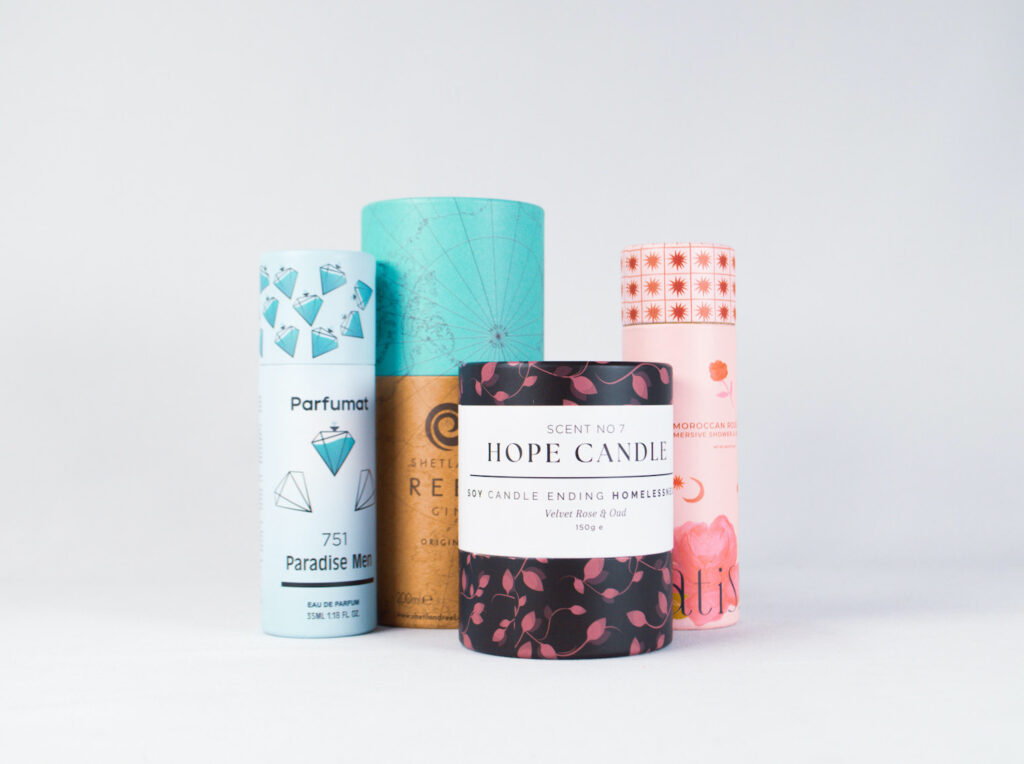

Artificial intelligence is rapidly transforming the packaging sector, driving new levels of efficiency, creativity, and sustainability. As brands seek to stand out on crowded shelves and meet evolving consumer expectations, the integration of smart technologies is reshaping how packaging is designed and produced. Understanding the role of AI in packaging design and printing is crucial for businesses aiming to stay competitive and agile in this dynamic landscape.
From automating repetitive tasks to enabling data-driven design decisions, AI-powered solutions are impacting every stage of the packaging lifecycle. Whether you are a packaging designer, print provider, or brand manager, embracing these advancements can unlock significant benefits—including faster turnaround times, reduced waste, and more personalized consumer experiences.
For those interested in how technology is shaping premium packaging, the evolution of luxury packaging printing offers valuable insights into trends and techniques that complement AI-driven innovation.
How Artificial Intelligence Is Transforming Packaging Design
The application of AI in packaging design is revolutionizing traditional workflows. By leveraging machine learning algorithms, designers can automate routine processes, analyze vast datasets, and generate creative concepts more efficiently. This not only accelerates project timelines but also enhances the quality and relevance of the final product.
- Automated Layout Generation: AI tools can quickly produce multiple layout options based on input parameters such as brand guidelines, product dimensions, and regulatory requirements.
- Predictive Design: By analyzing consumer data and market trends, AI can suggest design elements that are more likely to resonate with target audiences.
- Image Recognition: Advanced algorithms can identify and optimize images for print quality, ensuring consistency across packaging runs.
These capabilities allow design teams to focus on strategic and creative tasks, while AI handles repetitive or data-intensive work. The result is a more agile and responsive design process that can quickly adapt to changing market demands.
Boosting Printing Efficiency with Smart Technologies
Beyond design, AI is also streamlining the printing process. By integrating intelligent systems into print production, businesses can achieve higher throughput, lower costs, and improved quality control. Here are some of the key ways AI is enhancing printing efficiency:
- Automated Prepress Checks: AI-powered software can detect errors in print files—such as color mismatches, font issues, or layout misalignments—before they reach the press, reducing costly reprints.
- Predictive Maintenance: Machine learning models analyze equipment data to predict when maintenance is needed, minimizing downtime and extending the lifespan of printing machinery.
- Optimized Ink Usage: AI can calculate the exact amount of ink required for each job, reducing waste and ensuring color consistency.
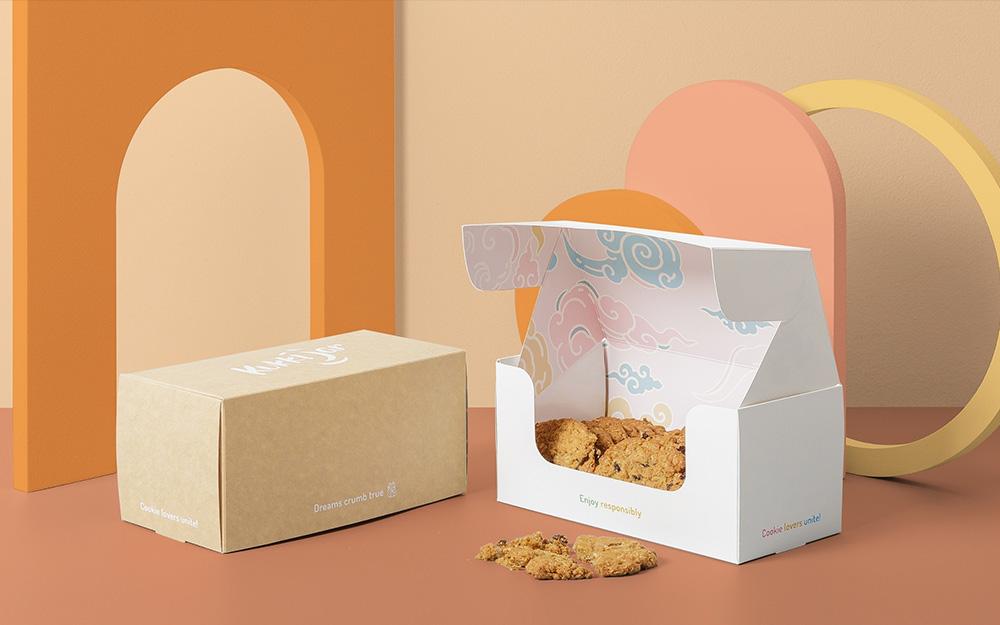
For those exploring the latest methods in the industry, the article on innovative food packaging printing techniques provides a closer look at how technology and creativity intersect in packaging.
Personalization and Consumer Engagement Through AI
One of the most exciting aspects of AI in packaging is its ability to enable mass personalization. By analyzing customer preferences and purchase data, AI systems can help brands create packaging that speaks directly to individual consumers or specific market segments.
- Variable Data Printing: AI-driven print systems can produce unique packaging for each unit, incorporating personalized messages, images, or QR codes that link to digital experiences.
- Dynamic Content Generation: Algorithms can adjust packaging design elements in real time based on location, season, or promotional campaigns.
- Enhanced Consumer Insights: By integrating with smart packaging technologies, AI can gather data on how consumers interact with products, informing future design and marketing strategies.
These advancements not only improve customer engagement but also provide valuable feedback loops for continuous improvement. If you want to learn more about connected packaging, the guide on what is smart packaging technology offers practical definitions and real-world examples.
Driving Sustainability in Packaging with Artificial Intelligence
Sustainability is a top priority for both brands and consumers. AI is playing a pivotal role in making packaging more environmentally friendly by optimizing materials, reducing waste, and improving recyclability.
- Material Optimization: AI can recommend the most sustainable materials for a given application, balancing cost, durability, and environmental impact.
- Waste Reduction: Intelligent design and production planning minimize excess material use and streamline logistics.
- Lifecycle Analysis: AI tools can assess the environmental footprint of packaging across its entire lifecycle, helping companies make data-driven decisions for greener outcomes.
For a comprehensive overview of eco-friendly practices, see the resource on how to sustainable packaging printing. Additionally, sustainable printing practices for packaging highlights real-world strategies for reducing environmental impact in print production.

Challenges and Considerations When Adopting AI in Packaging
While the benefits of AI in packaging are substantial, there are important challenges to address. Companies must consider the costs of implementation, the need for skilled personnel, and the integration of new technologies with existing systems.
- Data Security: Handling sensitive customer and production data requires robust cybersecurity measures.
- Change Management: Staff training and clear communication are essential for successful adoption of AI tools.
- System Compatibility: Ensuring that AI solutions work seamlessly with current design and print infrastructure can require significant planning and investment.
Staying informed about the packaging printing trends 2026 can help businesses anticipate future developments and prepare for ongoing changes in the industry.
FAQ
How does AI improve packaging design creativity?
AI enhances creativity by automating routine design tasks, analyzing large datasets for inspiration, and generating multiple design variations quickly. This allows designers to focus on innovation while AI handles time-consuming processes.
Can AI help reduce costs in the packaging printing process?
Yes, AI can lower costs by optimizing material usage, reducing waste, automating quality checks, and predicting maintenance needs. These efficiencies lead to fewer errors, less downtime, and more cost-effective production runs.
Is AI-driven packaging suitable for small businesses?
AI solutions are increasingly accessible to businesses of all sizes. Many cloud-based tools and platforms offer scalable options, making it possible for small companies to benefit from improved design, personalization, and printing efficiency without large upfront investments.